
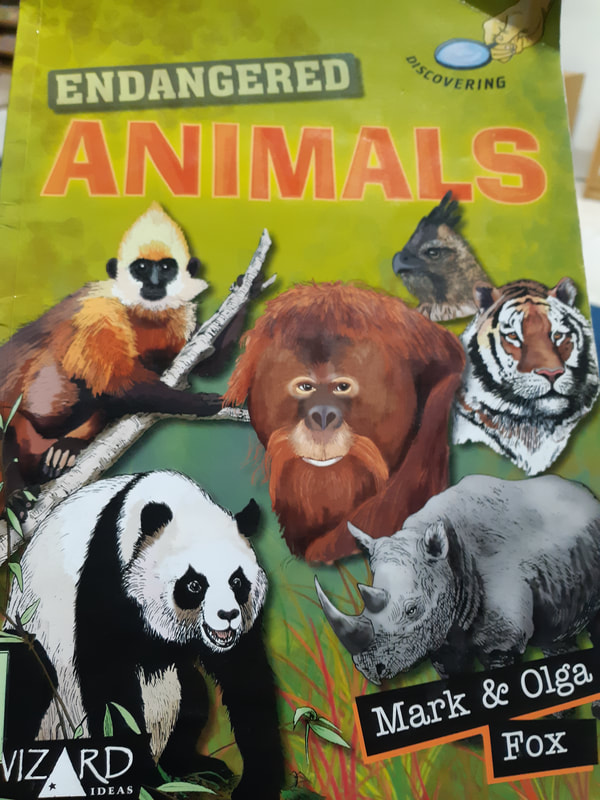
Endangered Animals
Unit 5
Sharing the planet
An inquiry into
rights and responsibilities in the struggle to share finite resources with other people and with other living things; communities and the relationships within and between them; access to equal opportunities; peace and conflict resolution
Central Idea: Biodiversity relies on maintaining the interdependent balance of organisms within systems
Key Concepts: causation, connection, responsibility
Related concepts: Balance; Biodiversity; Interdependence
Lines of Inquiry:
Learning Outcomes:
Sharing the planet
An inquiry into
rights and responsibilities in the struggle to share finite resources with other people and with other living things; communities and the relationships within and between them; access to equal opportunities; peace and conflict resolution
Central Idea: Biodiversity relies on maintaining the interdependent balance of organisms within systems
Key Concepts: causation, connection, responsibility
Related concepts: Balance; Biodiversity; Interdependence
Lines of Inquiry:
- What leads to advances in scientific knowledge and understanding
- The role of technology in scientific understanding
- The effects of scientific advances on people and the environment
Learning Outcomes:
- Recognize the elements of major political systems
- Examine how the rights of a person in a particular society directly affect their responsibilities.
- Identify and describe means by which citizens can monitor and influence actions of their governments and vice versa
- Explore a range of political systems.
The students:
Attaha Rabbani Rahim
|
Ramseyzio Hussayn Kishorabilly
|
Zafira Nashwa
|
The mentors:
Ms.Rara.
|
Ms.Sari
|

Ms.Icha
|
STEP 1
Identifying global significant issues:
|
Back ground problems:Natural resources are one of the gifts that Allah SWT gives on this earth. Natural resources are an important element in the survival of the life of living things on earth so that their maintenance and use need to be managed properly. Natural resources can be defined as everything that exists in the natural environment that can be used for the interests and life needs of living things to be more prosperous (Fatchan, 2013). Natural resources based on their types can be divided into two, namely biological or biotic natural resources, and non-biological / abiotic natural resources. Biological natural resources are biological elements in nature which consist of plant-based natural resources (plants) and animal natural resources (animals) which together with the surrounding non-living elements form an ecosystem (Supriadi, 2008).
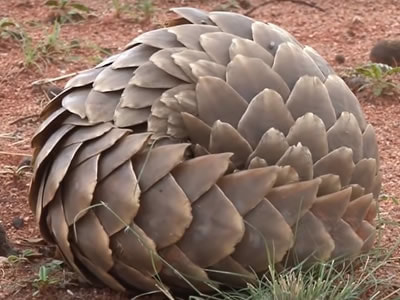
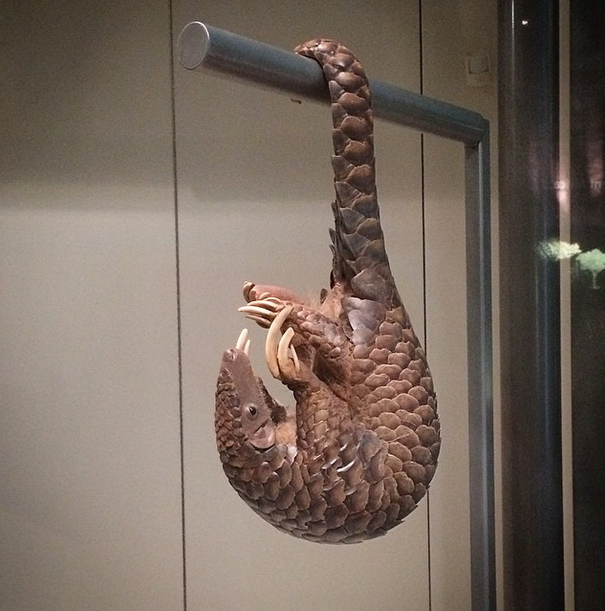
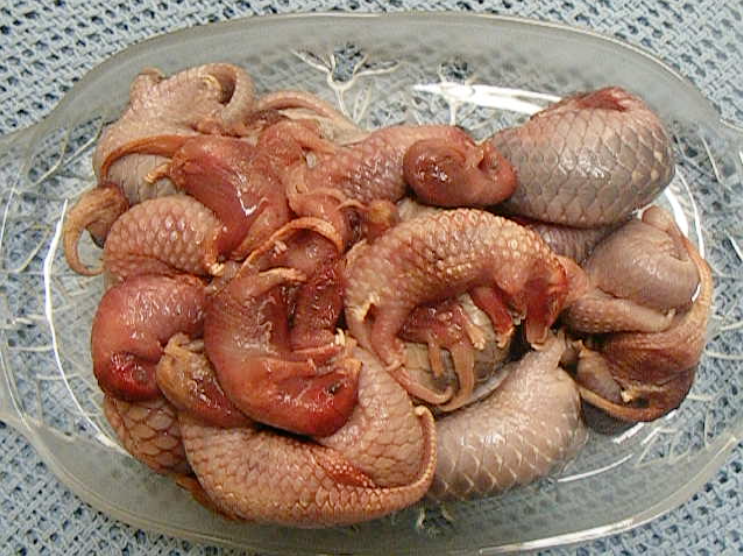
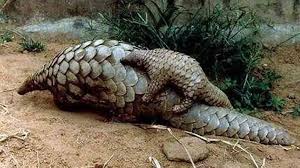
One of the characteristics of Indonesia's uniqueness in the field of biodiversity is the diversity of its animals. The condition of animals in Indonesia is unique. Indonesia is geographically located on the border of the Ancient Asian Plate and the Australian Plate which causes differences in animal types in the West, Central and Eastern Indonesia (Widada, Mulyati & Kobayashi, 2006). The diversity of animals in Indonesia is also due to large areas and diverse ecosystems. Because of this, the Indonesian region has a variety of unique or endemic species found only in Indonesia. So that Indonesia has a variety of protected species. Indonesia is also known as the country that owns a long list of endangered wildlife. At present the number of endangered wildlife is 147 species of mammals, 114 species of birds, 28 species of reptiles, 91 species of fish and 28 species of invertebrates (IUCN). The main factor that threatens the extinction of these wildlife is the reduction or destruction of their habitat and hunting for trade. Now the trade in wildlife is a serious threat to the preservation of wildlife in Indonesia. What is meant by illegal wildlife trade is the trade in protected animals without regard to existing rules. Some people are still fond of buying and selling wildly protected animals, both buying and selling them alive to maintain, as well as preserving animals. The illegal trade in animals is still common in animal markets. Even the trade in protected animals is also carried out by certain individuals to utilize animal organs as traditional medicine. An example in animal trade is the trade in pangolins and their body parts which are still prevalent in Indonesia. BBC (2016) reported on its website that there were a number of cases of pangolin smuggling that had been foiled by the police. For example, in April 2016, officers in Medan confiscated dozens of live pangolins and around five tons of meat ready to be sent abroad. Then, in July 2016, Surabaya customs officials succeeded in thwarting the smuggling of 1.3 tons of frozen pangolin to be brought to Singapore. Then, in August the police also arrested a man who kept more than 650 rare pangolin animals in his freezer at his home in Jombang, East Java. This proves that there are still many cases of pangolin hunting for economic purposes. If this hunt continues to be carried out it will have an impact on the destruction of the ecosystem because the milling can be extinct. 
|
| ||

STEP 2
Determining timing and time frame
There are a lot of animal that endangered in Indonesia and in the world. But we must decide 1 animal that we focus on. The criterias that we must concern are:
- Focus on endangered animal in Indonesia
- The animal is not been choose from last year group. The animals from previous year that been explored are orang utan, tiger, sea turtle, shark, whale, shark whale, elephant.
- Start from the small community in Jakarta which is is Zoo.
- The animal been explored by black market
- Limited awareness from people/community
From that criteria s we have voice and choice to make decision. Finally after discuss and sorting out the primary resources we are agree to choose Pangolin as our focus.
We start to search, collect information and data in order to find that we are looking for.
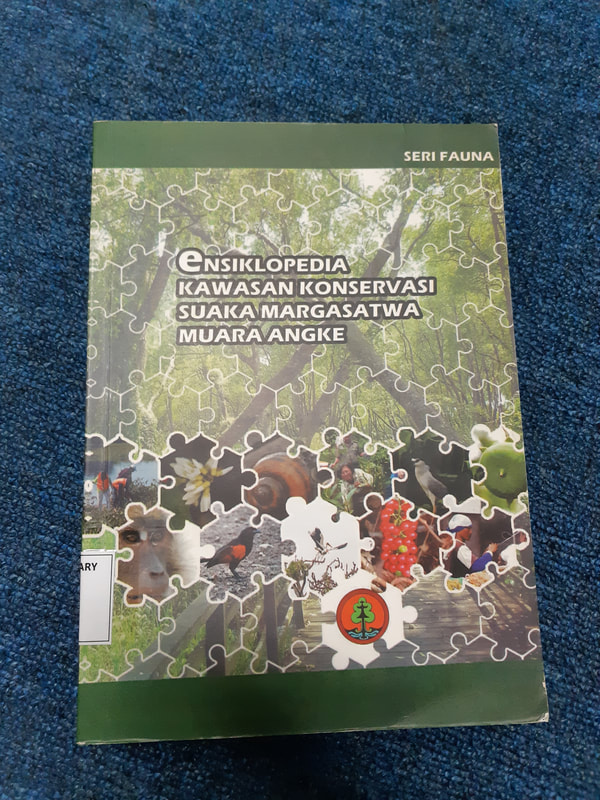
Here are the main resources (primary resources):
Al Quran 30; 41
https://ragunanzoo.jakarta.go.id/language/en/
http://www.menlhk.go.id/
http://perpustakaan.menlhk.go.id/pustaka/home/index.php?page=home
https://www.wwf.or.id/
- Focus on endangered animal in Indonesia
- The animal is not been choose from last year group. The animals from previous year that been explored are orang utan, tiger, sea turtle, shark, whale, shark whale, elephant.
- Start from the small community in Jakarta which is is Zoo.
- The animal been explored by black market
- Limited awareness from people/community
From that criteria s we have voice and choice to make decision. Finally after discuss and sorting out the primary resources we are agree to choose Pangolin as our focus.
We start to search, collect information and data in order to find that we are looking for.
Here are the main resources (primary resources):
Al Quran 30; 41
https://ragunanzoo.jakarta.go.id/language/en/
http://www.menlhk.go.id/
http://perpustakaan.menlhk.go.id/pustaka/home/index.php?page=home
https://www.wwf.or.id/
| https_video.docx |
| source_of_pangolin.docx |
STEP 3
Engaging support from the learning community
|
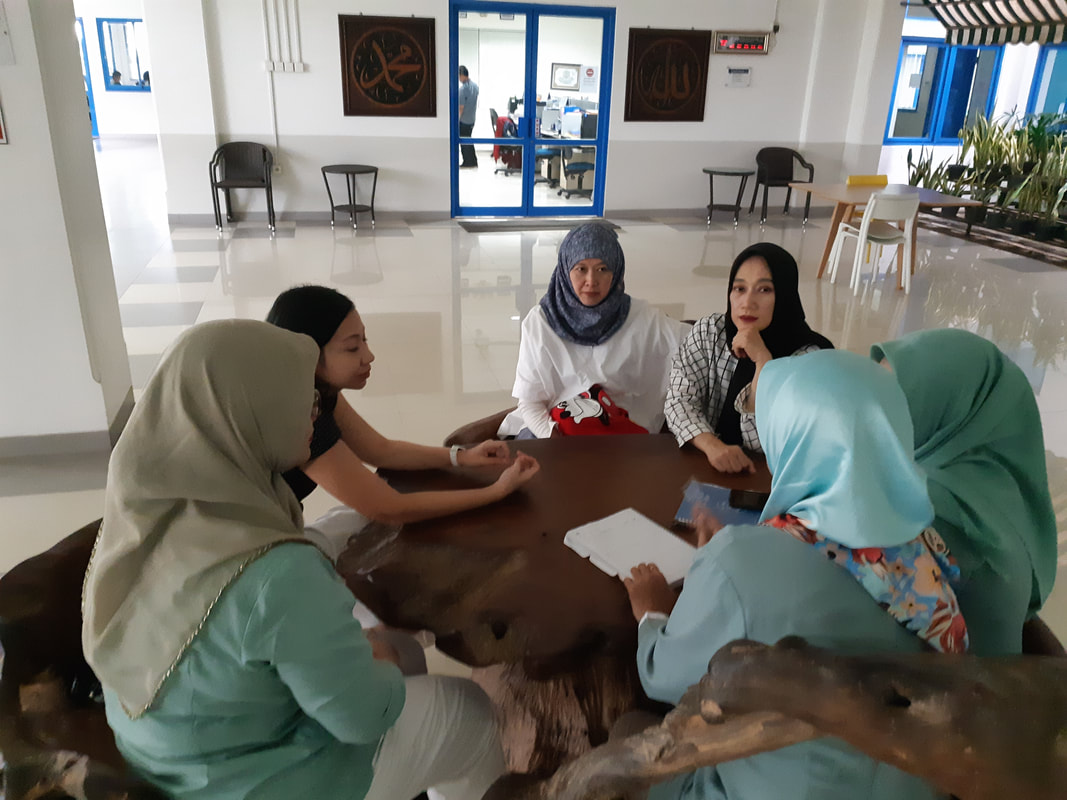
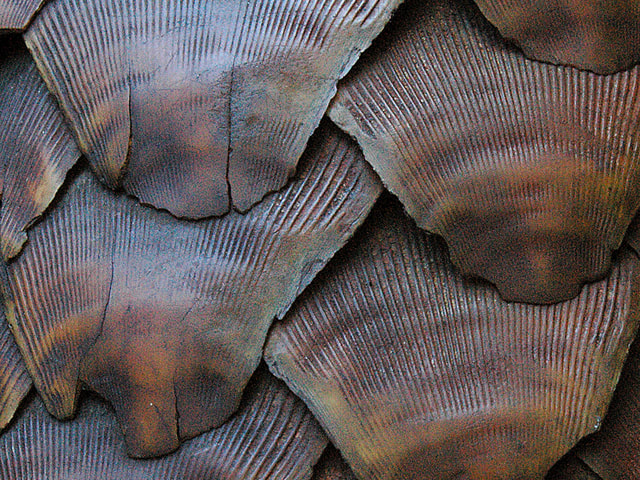
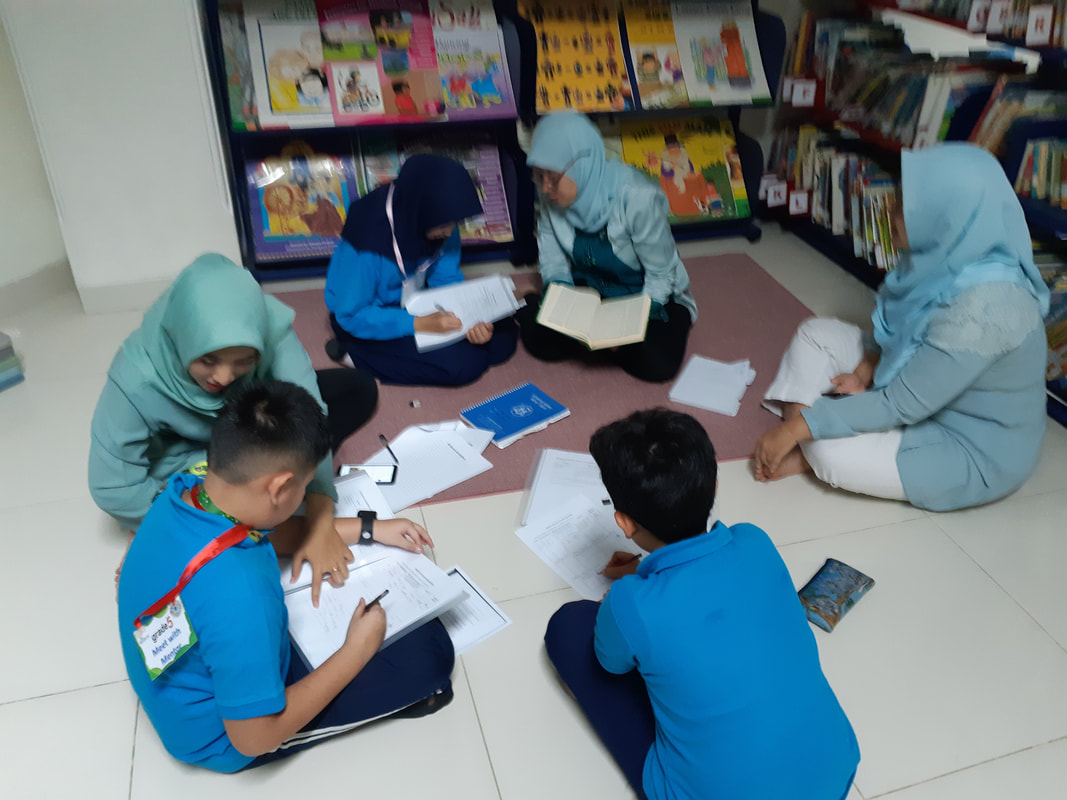
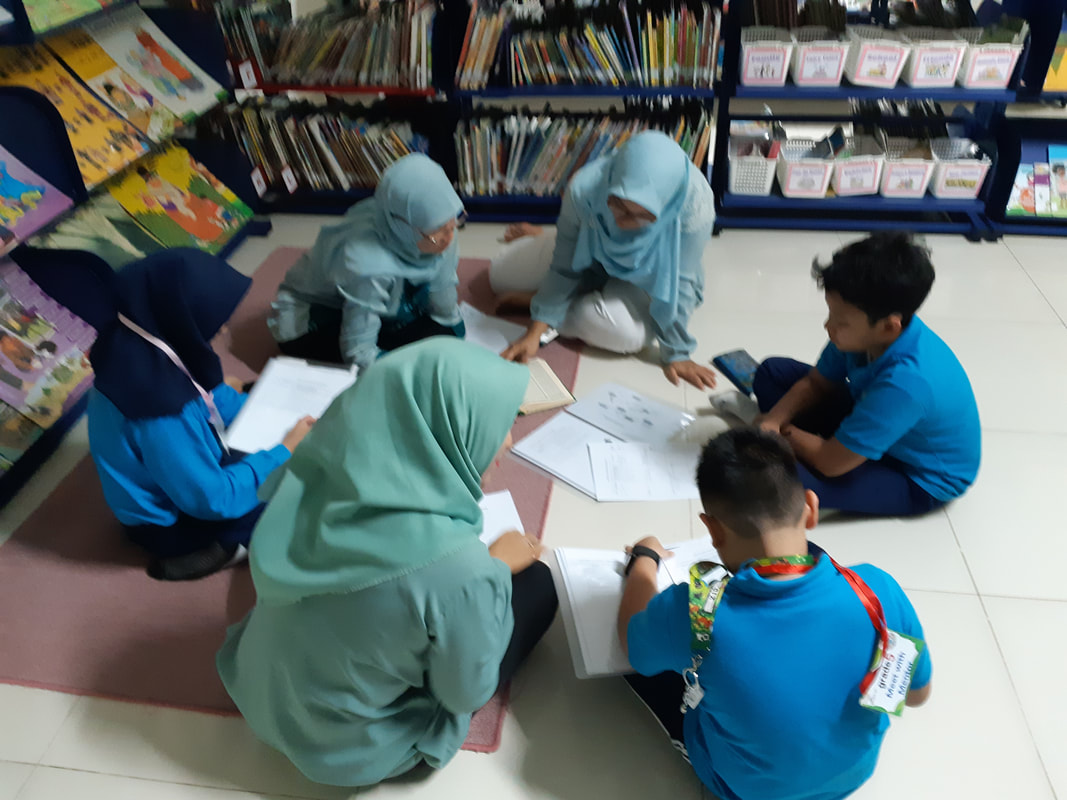
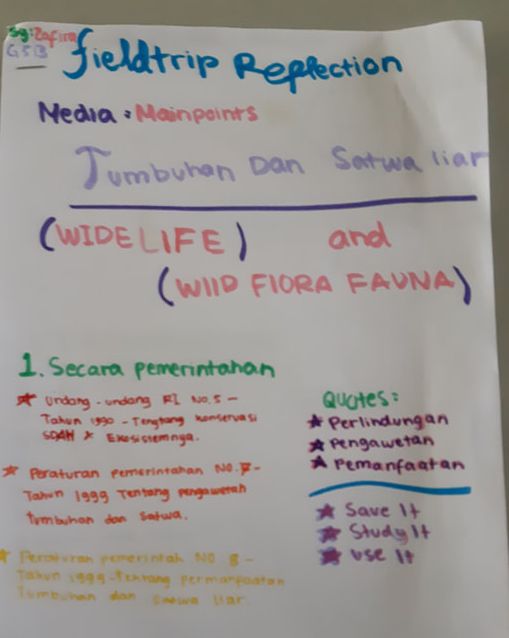
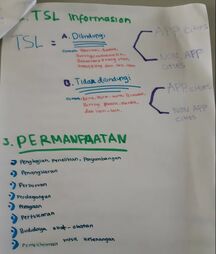
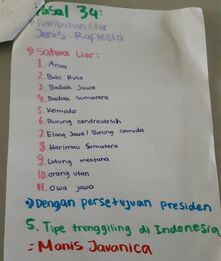
At this time is must collect data, information and anything that support our experiment, task, journey, First, visiting WWF Indonesia. The things that interesting that we found were: - Pangolin is an animal that needs to be protected because the scarcity rate is very worrying. because the animal was hunted for scales. - The price for 1 scale is 1$ - The price for 1kg Pangolin's meat is Rp.2.5M - The embrio sell for soup - Once In Sumatra and Kalimantan there was an arrest in black market transaction been caught with 30ton of Pangolin for Rp.100M. - The way hunter kill Pangolin is put the Pangolin into hot water jar, so it wont break the scale. - For the last 4 years, government revise law and regulation of endangered animal. Alhamdulillah noways, the law, punishment is getting heavier. Reflection from WWF : 1.8 different types of pangolin 2.What do people make from a dead pangolin 3.Human activities affect pangolin from extinction 4.How to save pangolins and pangolins illegal trade. Second, visit KLH (kementrian Lingkungan Hidup). The interesting were: - Alhamdulillah, Ministry of Environment has library that can support our topic. one of the book is about Pangolin. And also diorama/display of fake animal with their ecosystem - Mr.Djati as PR (public relation) leader is communicator and humble to us. He gave the information that we need. And serve us very well Reflection from KLH : •Animals are protected by law. •People need to keep the animals and plants save so that the food chain will not broken. Third, visit Ragunan zoo. The interesting were: - Ragunan has 4 pangolins. 1 baby with 3 adult male and female - Pangolin is animals that are easily stressed - Once, once a group came to research. the next day the animal was stressed and did not want to eat for 3 days. Because of that reason, the zoo does not display the animal to the public. - while in cage, all the needs of animals are very concerned. eat, drink, be given medicine when sick and given a ladder for those who like to ride also made cave for those who like to take it. Reflection from zoo: •The type of habitat that pangolin needs. •What do pangolins eat. •How do they react to humans. •They are easily to be frightened |
|

|

| ||||||
STEP 4
Organizing the Learning
|
Some interesting that we foundDuring this time we do social experiment in Ragunan zoo. We were distribute questioner in the zoo and in Al JAbr community. At the same time we also see the pangolin in the cage. There are 4 pangolins.
|
|
| questioner.docx |
| questioners_result_of_pangolin.pptx |
STEP 5
Monitoring the exhibition
|
Inviting grade 3A and 3B to come to our action at 8 April 2019 in auditorium.
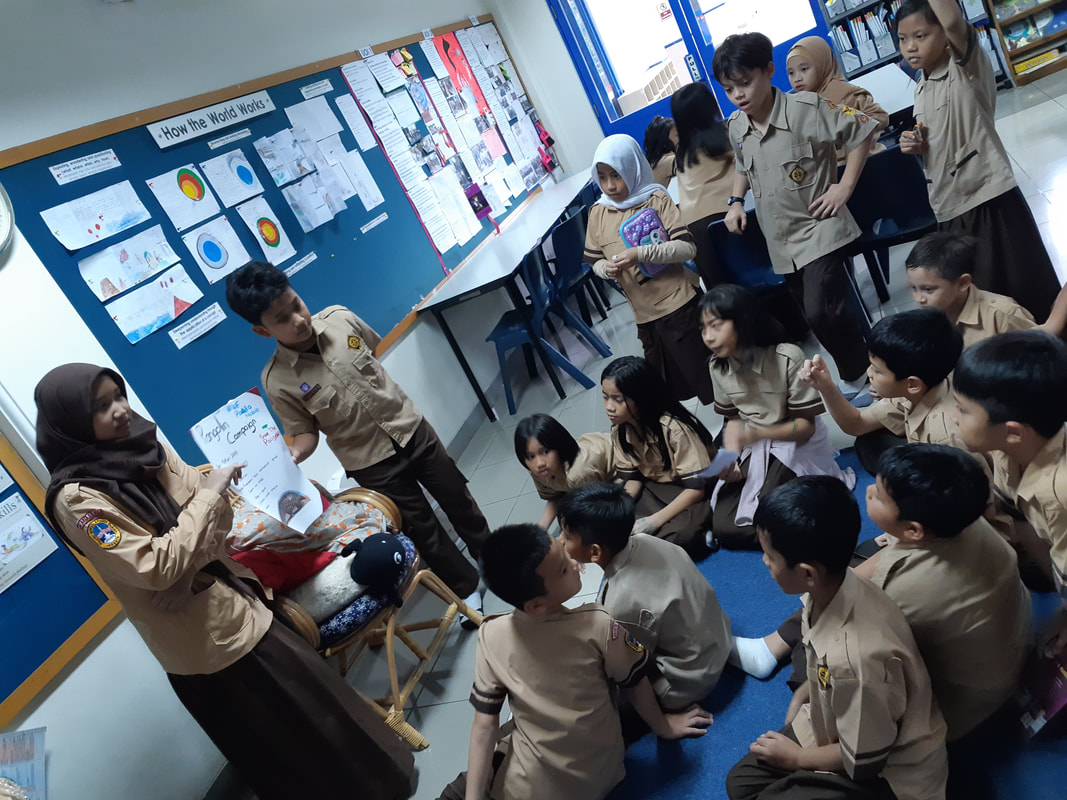
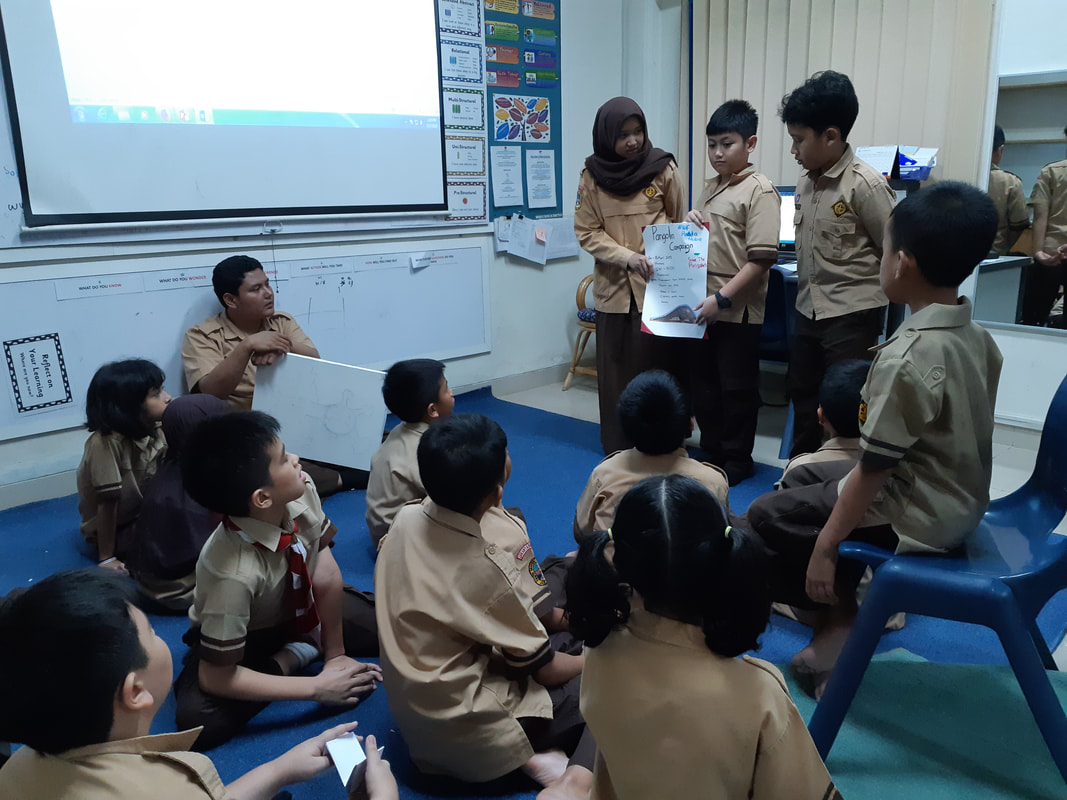
Inviting grade 4A and B to come to our campaign action in auditorium and Panda mobile.
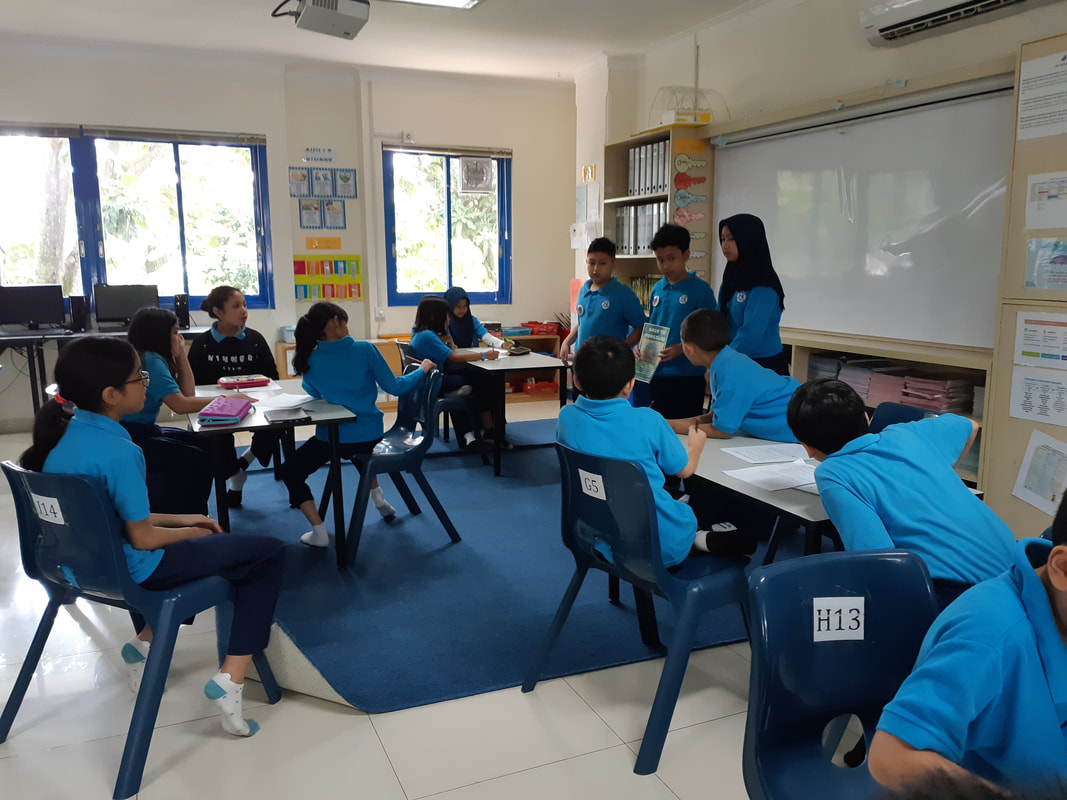
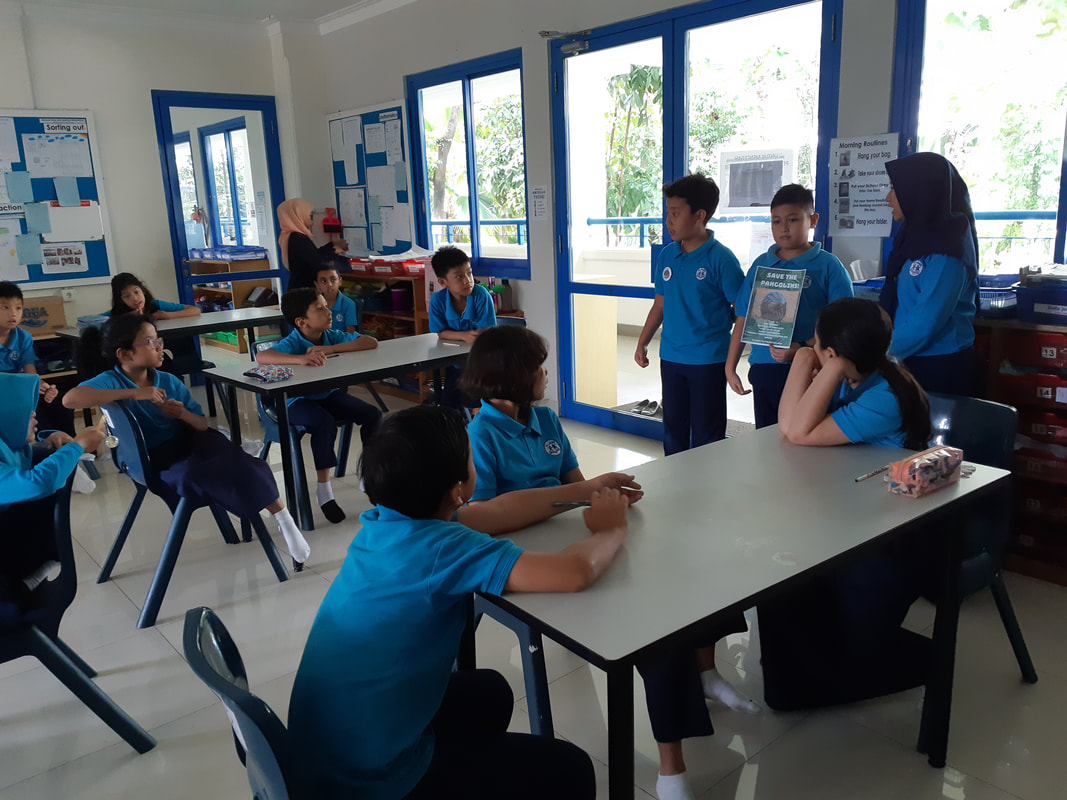
|
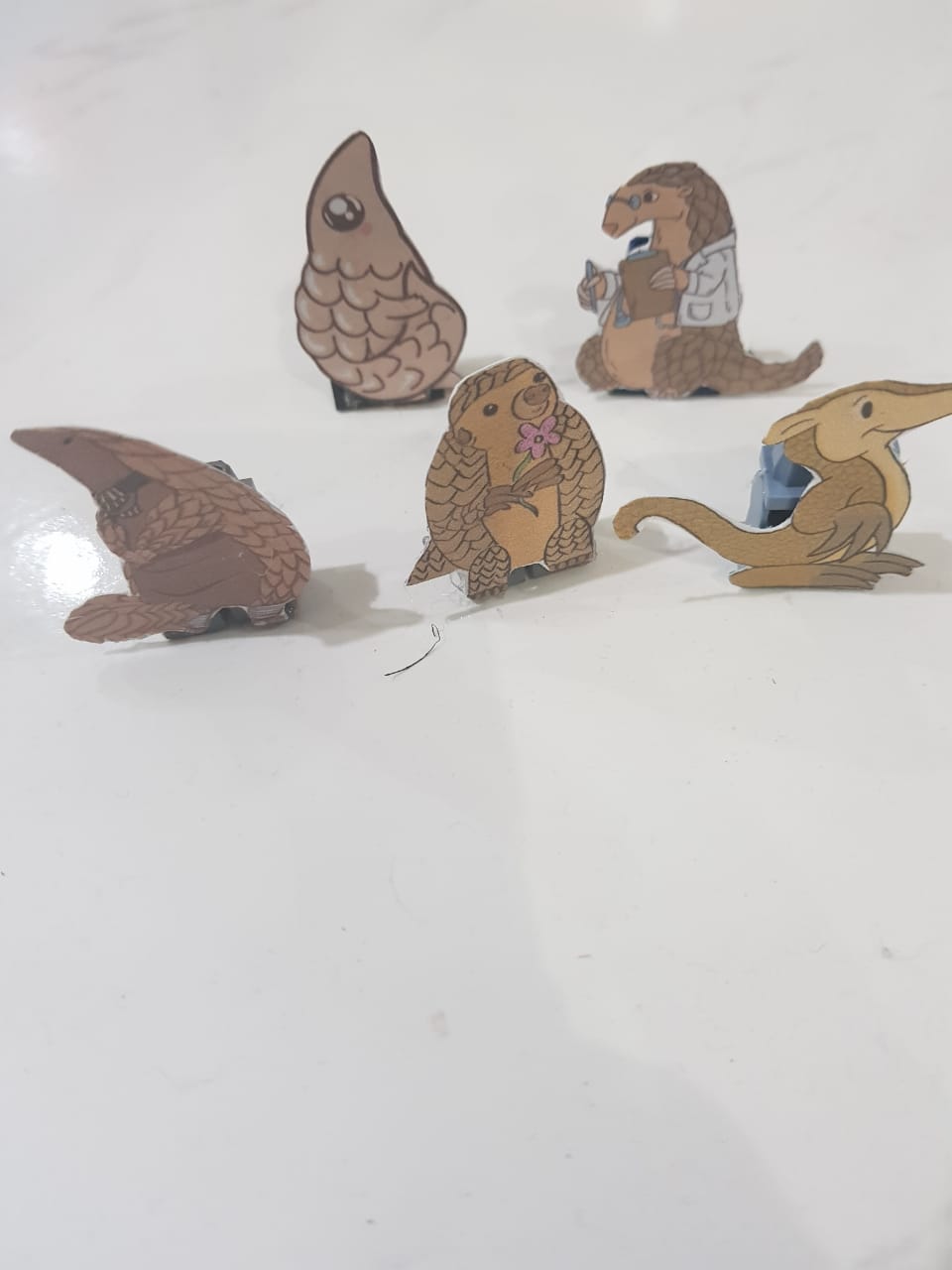
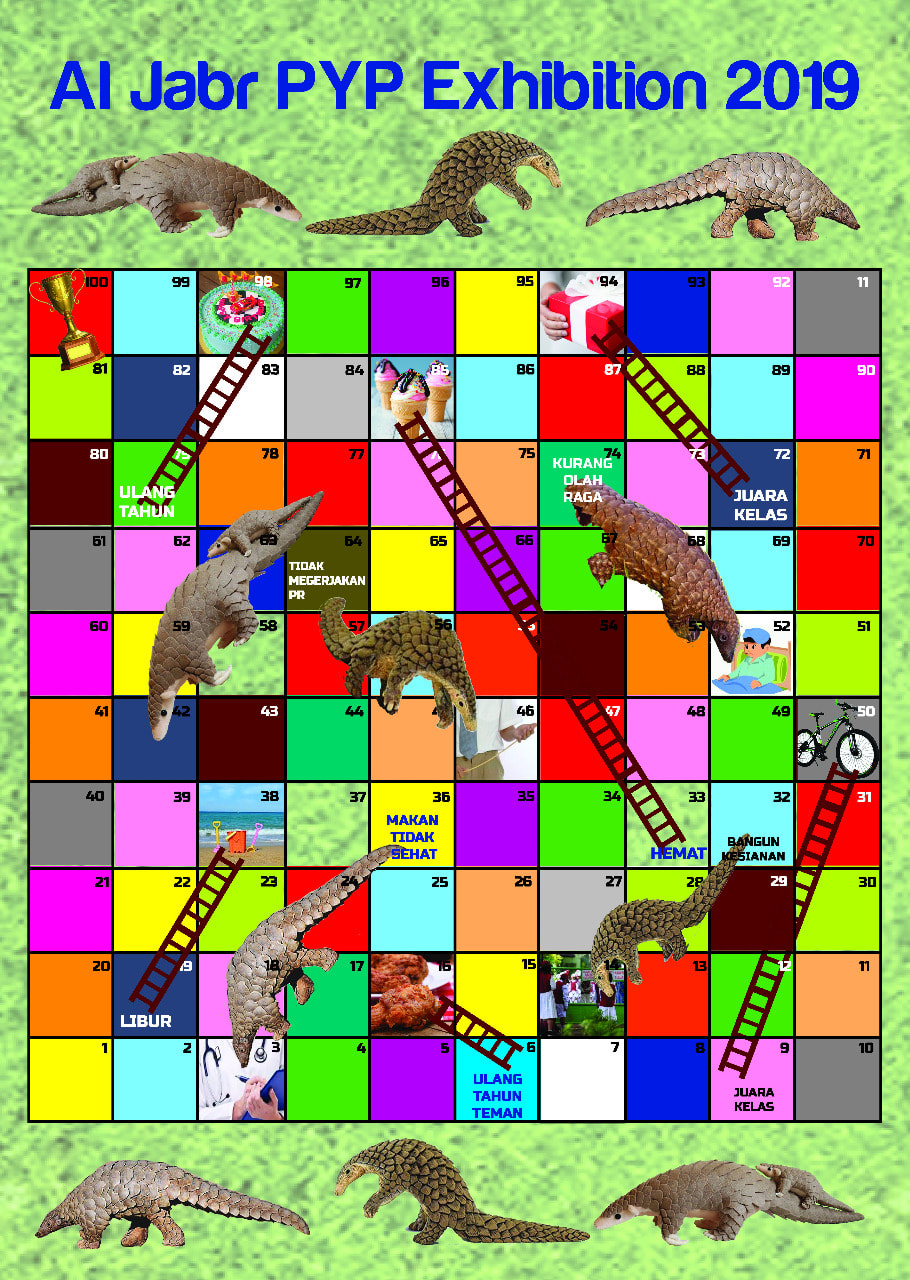
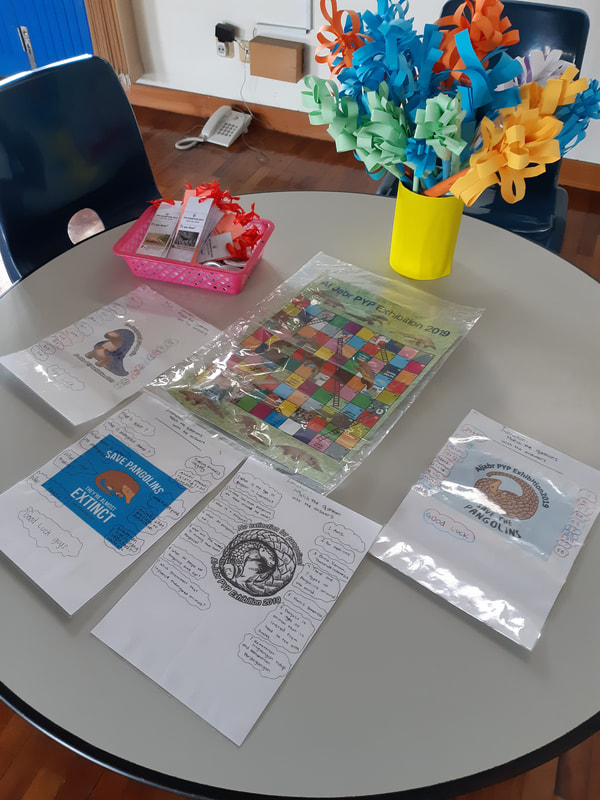
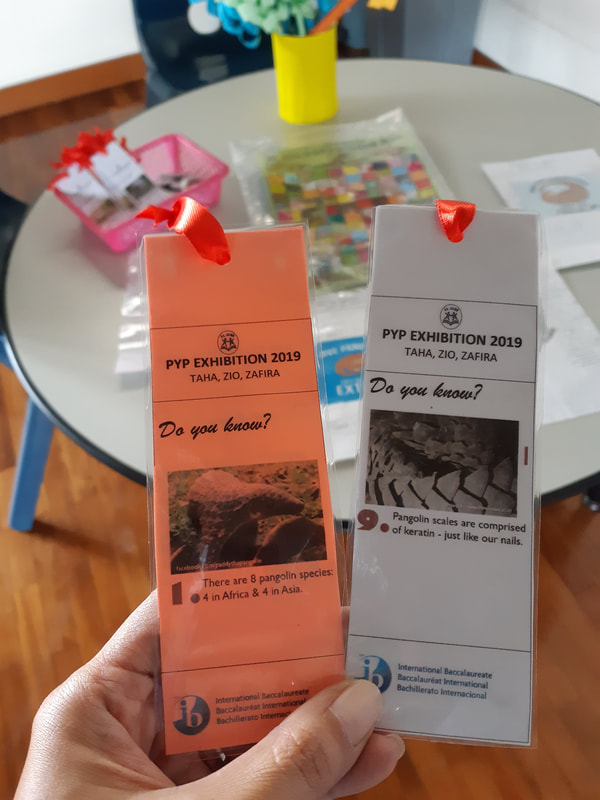
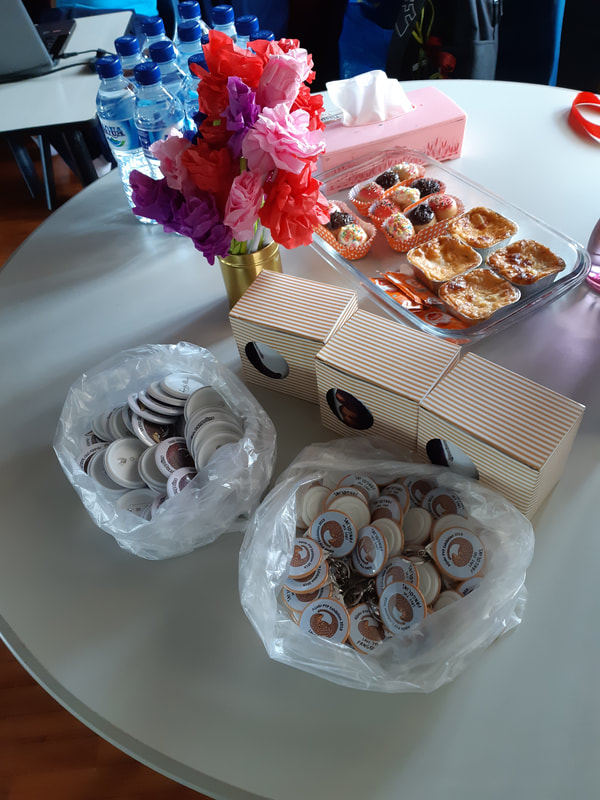
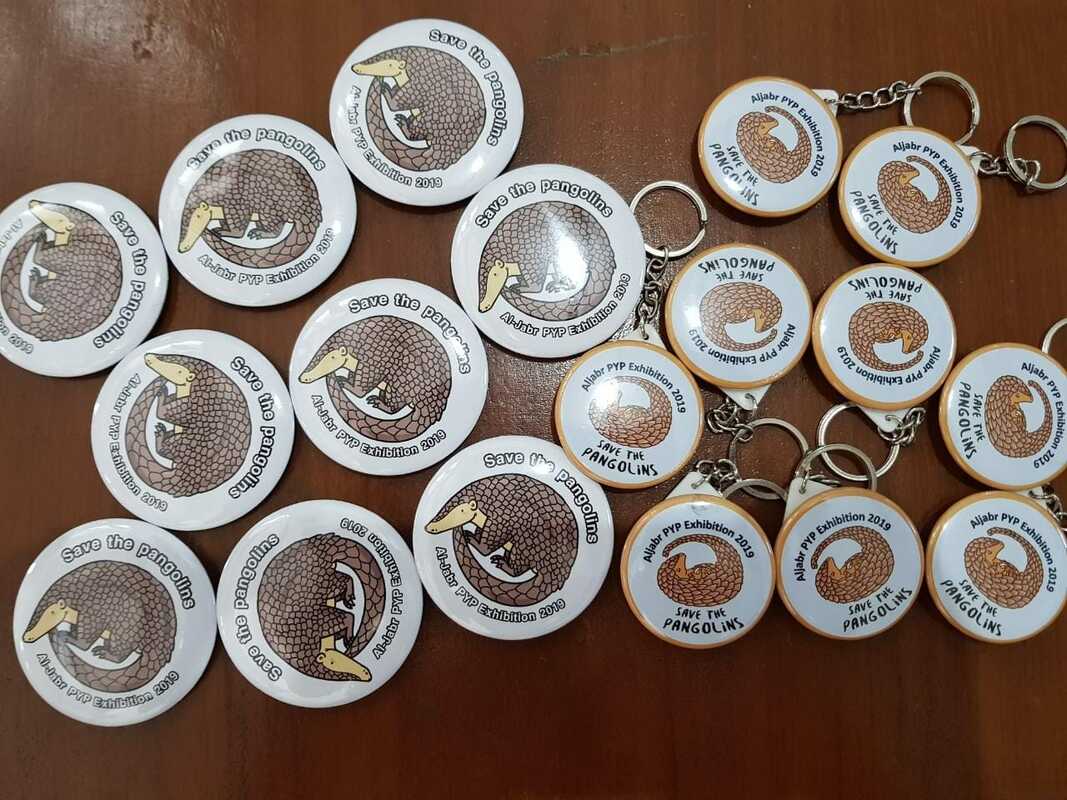
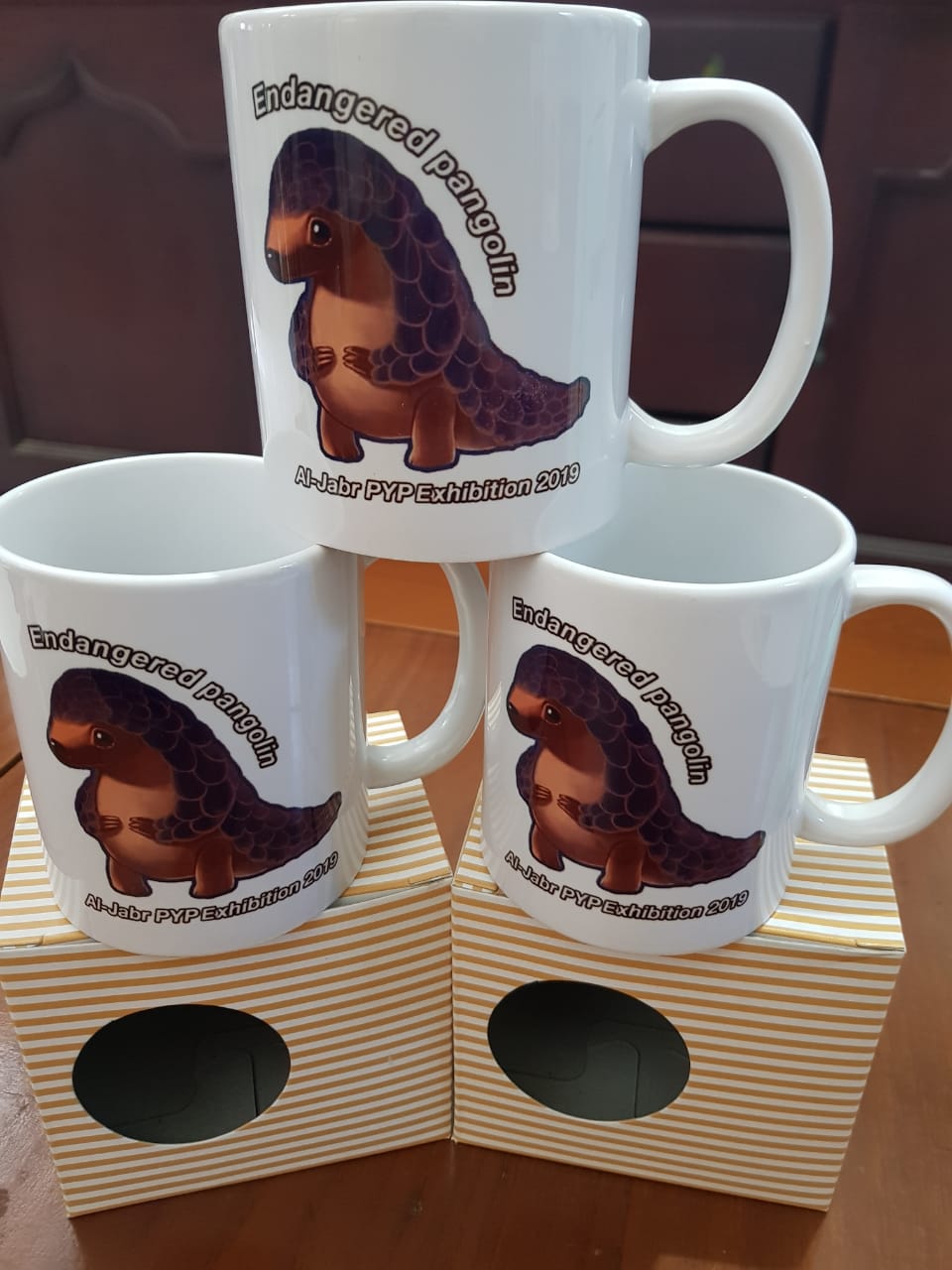
Design for merchandise made by Zio, Zafira, Taha
Here are the souvenir products, pin, key chain, mug and book mark. Designed by us
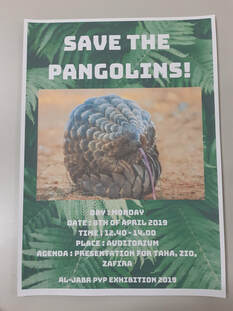
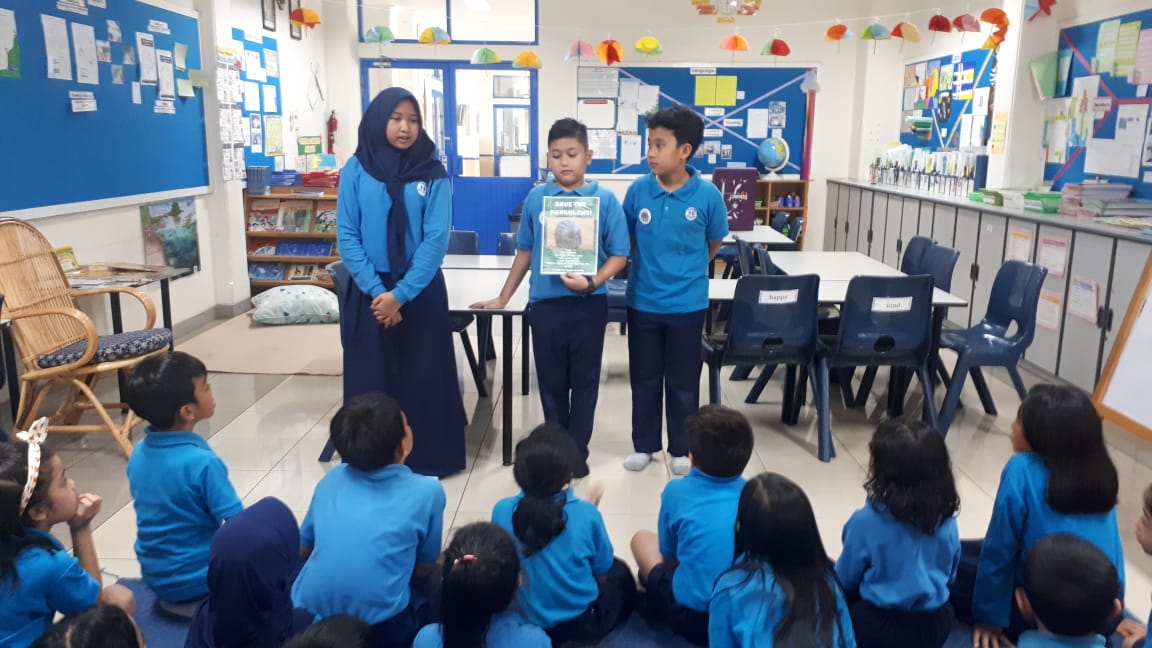
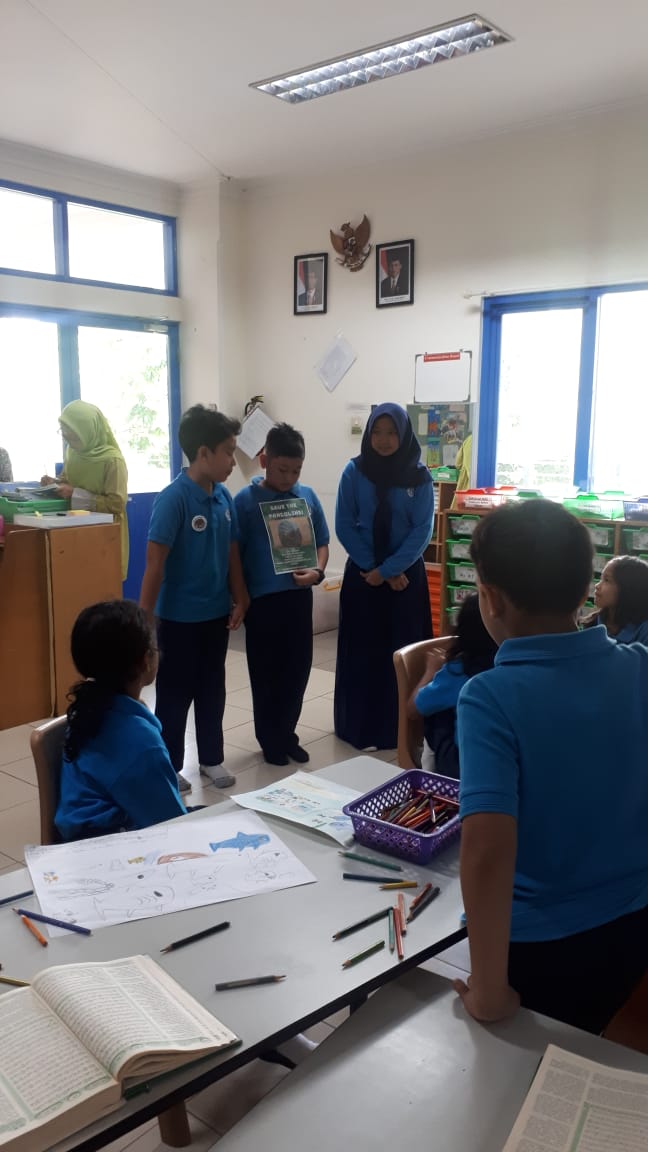
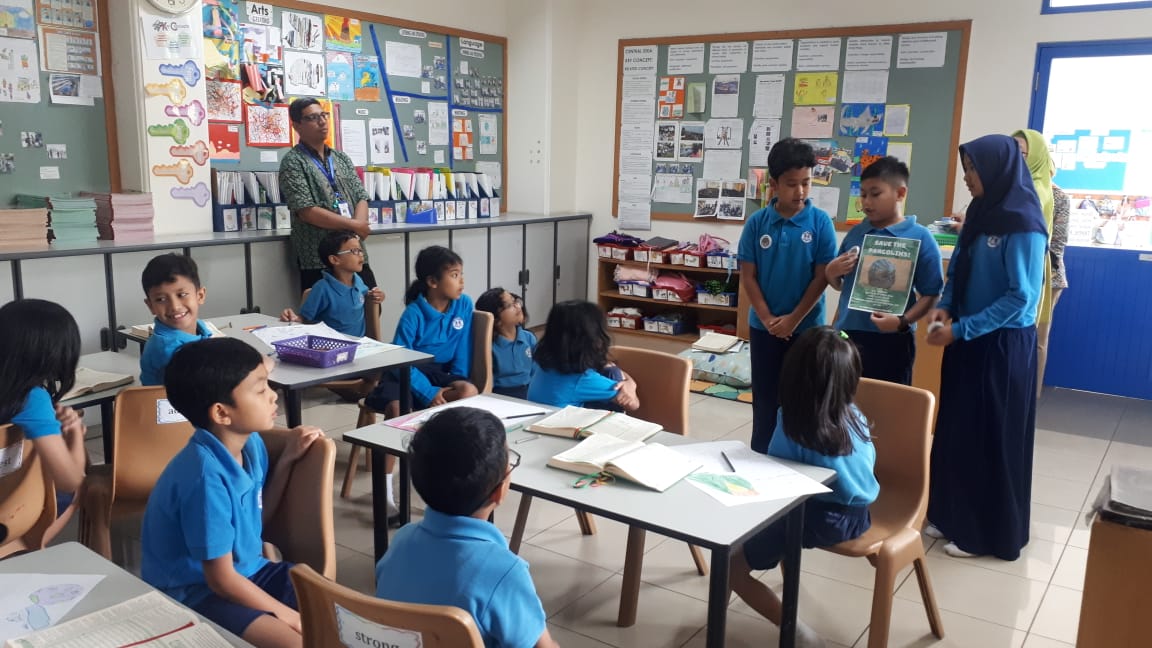
We also invite grade 2A,B,C to come to our action
|

STEP6
Sharing the exhibition
|
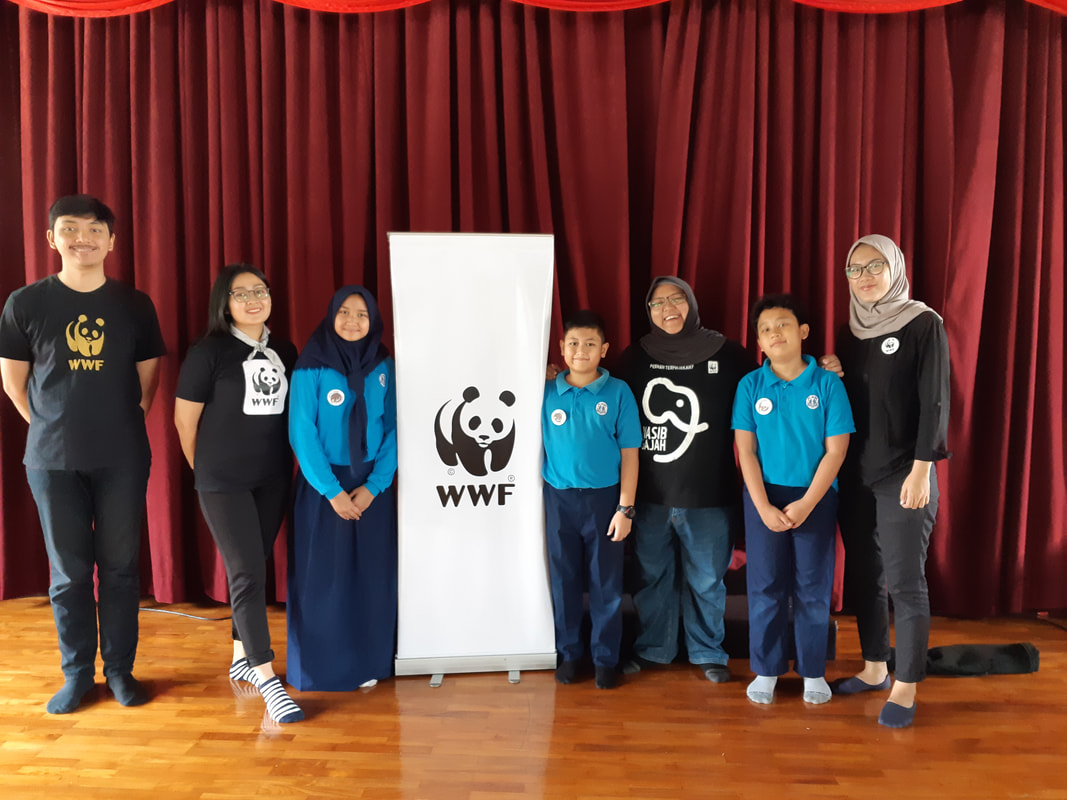
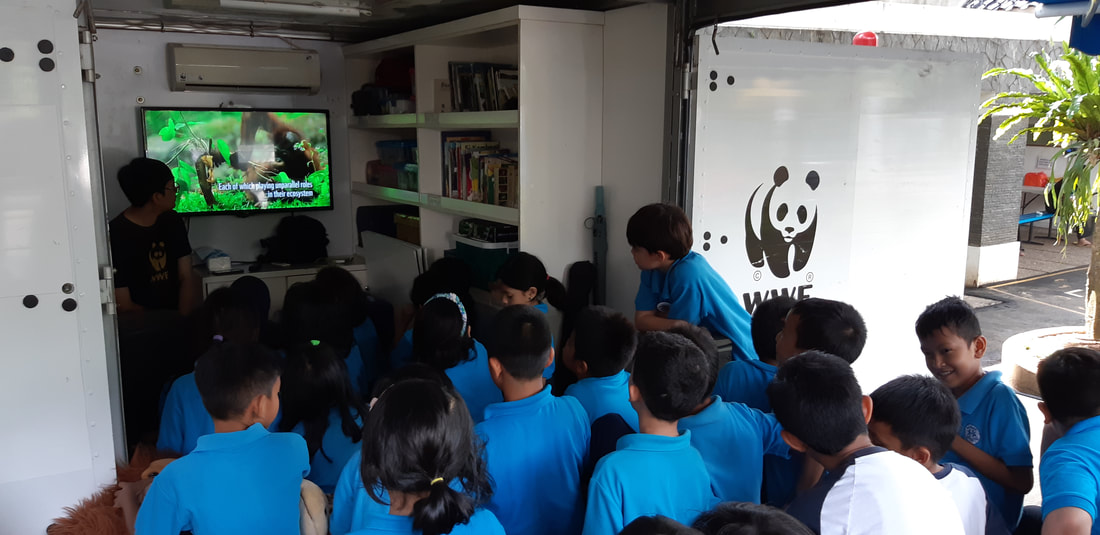
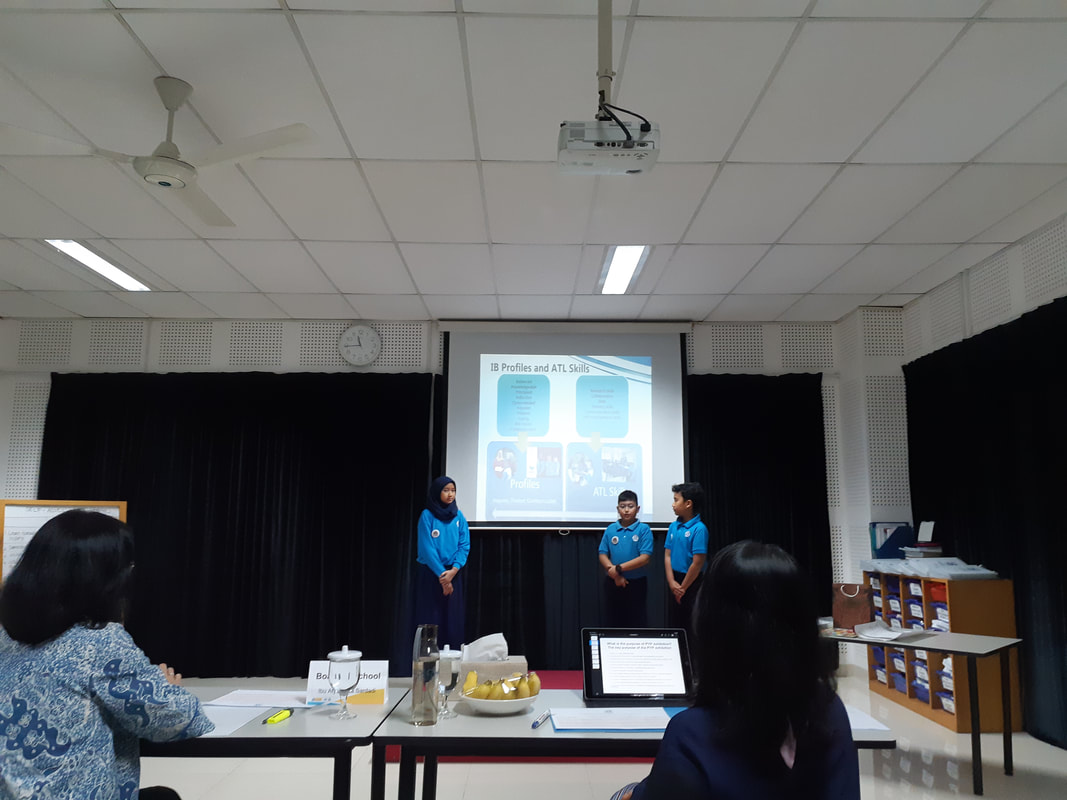
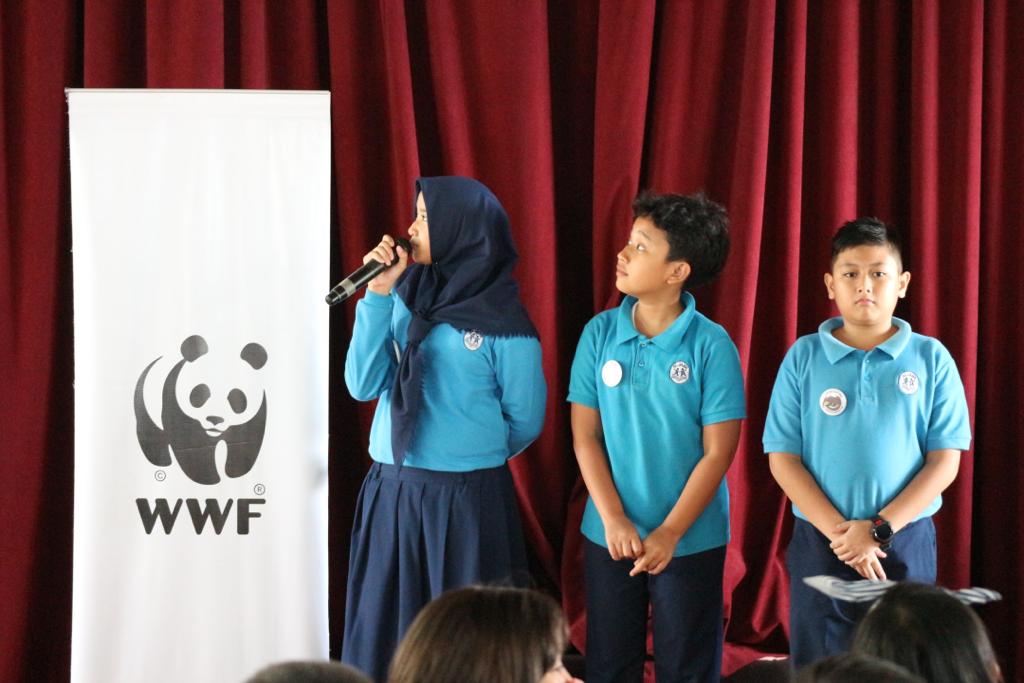
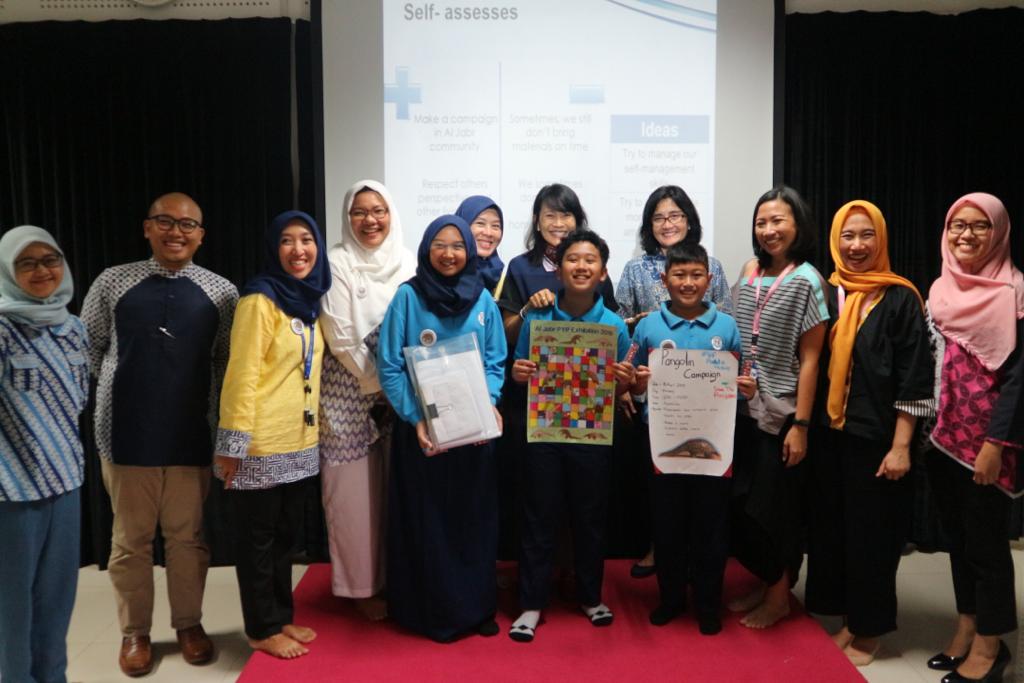
Our action is do campaign in Al Jabr community together with WWF. We are educating the younger graders about the pangolin from our group's data search results. On Monday 8 April 2019 in auditorium.
The agenda are: 12.40 : opening from our group 12.50 : presentation from Taha,Zio, Zafira 12.55 : presentation from WWF 13.30 : Q and A 13.45 : Exploring Panda mobile 14.00 : closing Photos of our action.
|
Thank you for your participation
| ||
