
the impact of social media to children
Transdiciplinary Theme :
How We Organize Ourselves
Central Idea :
Government roles and responsibility to monitor the interaction of citizens through social media
Lines of Inquiry:
1. The function of social media
2. The consequences of hoax and cyber bullying among citizen
3. ·Analyze the government role about technology and system that solve misperception among people
Key Concept:
•Function
1.What is the function of social media?
2.What is the role of the government to monitor the social media?
•Perspective
1.Why do people trust the news on social media easily?
2.Why do people create hoax and do cyber bullying in social media?
•Responsibility
1.What is the responsibility of social media user?
2.What is the government responsibility in monitoring hoax and cyber bullying?
Related Concept:
Equality, citizenship, governance, law, politics
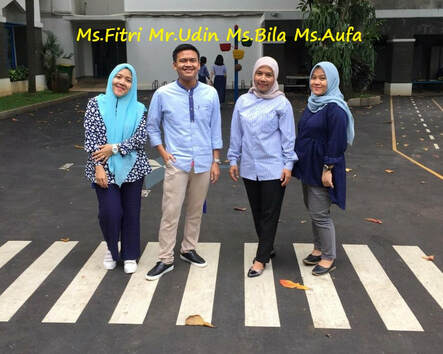
the mentors
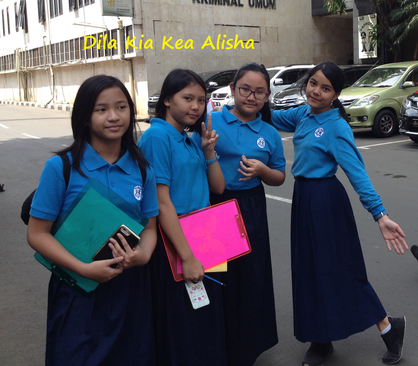
The Students
step 1: identifying global significant issues
Exploring, Wondering, and Questioning
What is social media? What is it for? What is social media disadvantages for us as children? What is hoax and cyber bullying? What is impact of hoax and cyber bullying on social media towards our live? Does government have role to protect the citizens in using social media? Those questions are formulated by the students. They wondering why fake news and cyber bullying through social media can happen and how we can protect our selves from disadvantages of using social media. The students do their inquiry by discussing their topic with their mentors, do research various information to identify global significant issues that related to their central idea. Social media for children and how its impact to our live become their issue in their exhibition this year.
Social media is interactive computer-mediated technologies that facilities the creation and sharing of information, ideas, career interests and other forms of expression via virtual communities and network. Nowadays, it has impact in our live, hoax and cyber bullying can happen through social media. Hoax is fake news and cyber bullying is a form of bullying using electronic means. It also known as online bullying. It has become increasingly common, especially among teenagers.
What is social media? What is it for? What is social media disadvantages for us as children? What is hoax and cyber bullying? What is impact of hoax and cyber bullying on social media towards our live? Does government have role to protect the citizens in using social media? Those questions are formulated by the students. They wondering why fake news and cyber bullying through social media can happen and how we can protect our selves from disadvantages of using social media. The students do their inquiry by discussing their topic with their mentors, do research various information to identify global significant issues that related to their central idea. Social media for children and how its impact to our live become their issue in their exhibition this year.
Social media is interactive computer-mediated technologies that facilities the creation and sharing of information, ideas, career interests and other forms of expression via virtual communities and network. Nowadays, it has impact in our live, hoax and cyber bullying can happen through social media. Hoax is fake news and cyber bullying is a form of bullying using electronic means. It also known as online bullying. It has become increasingly common, especially among teenagers.
STEP 2: DETERMINING TIMING AND FRAME
Making Connections Between Previous Learning and Current Learning
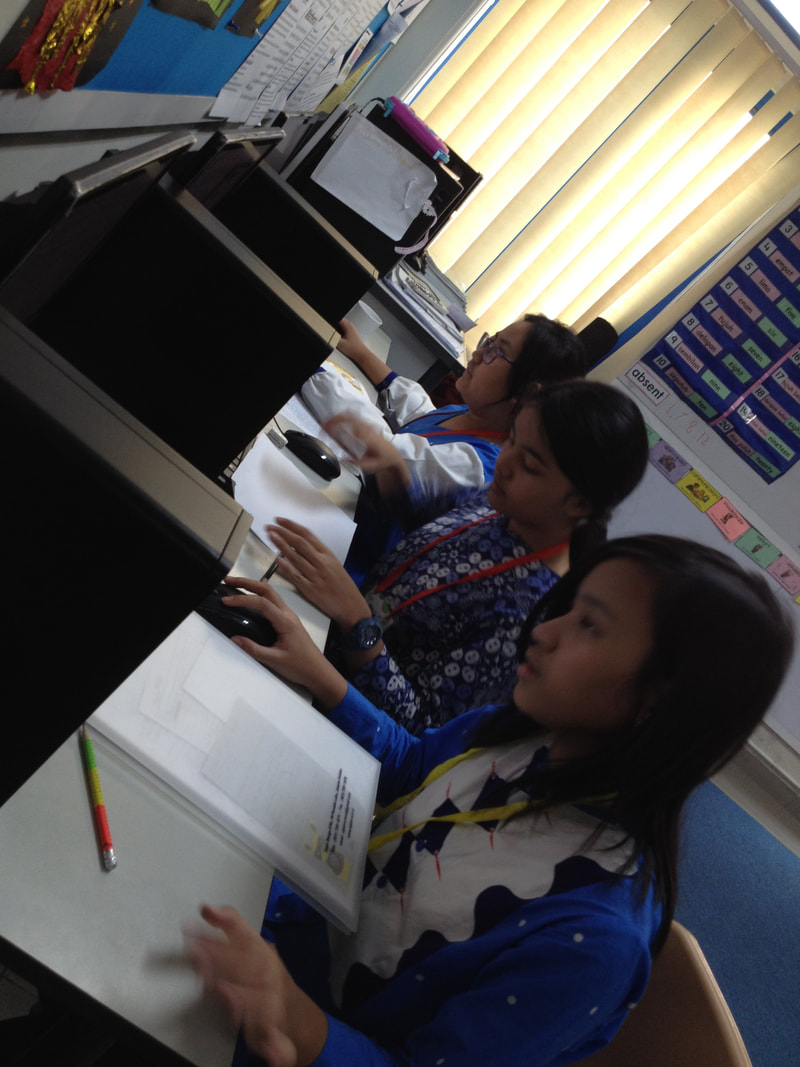
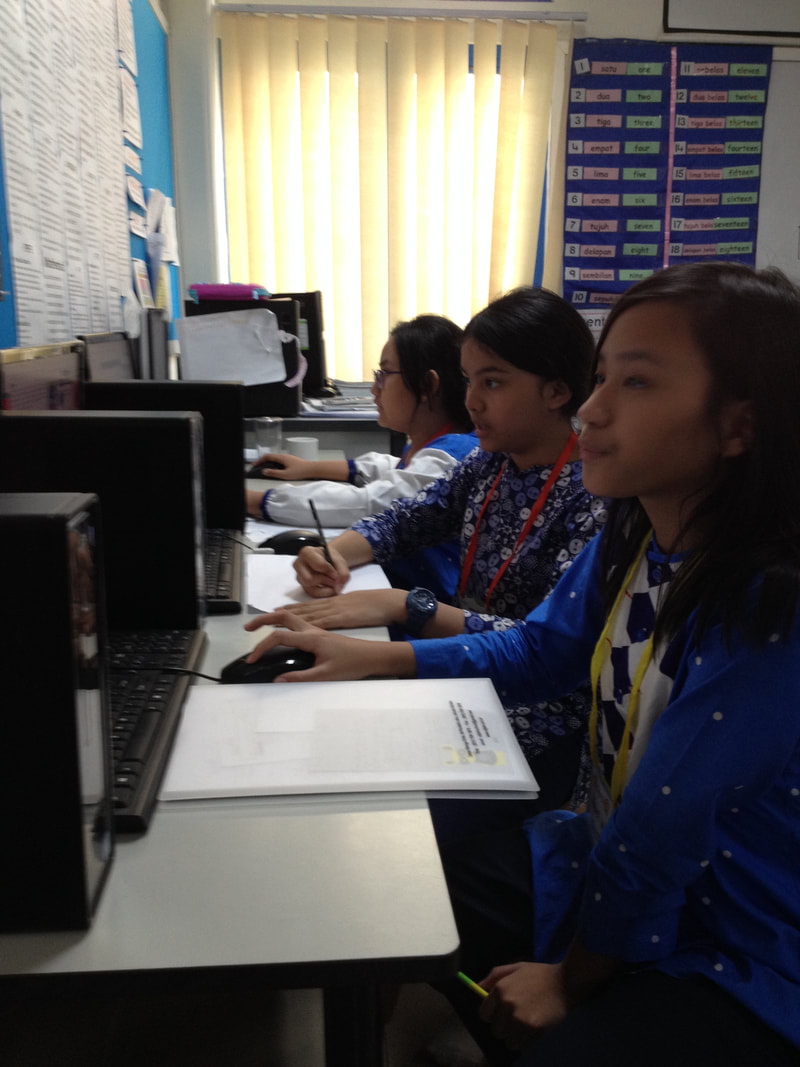
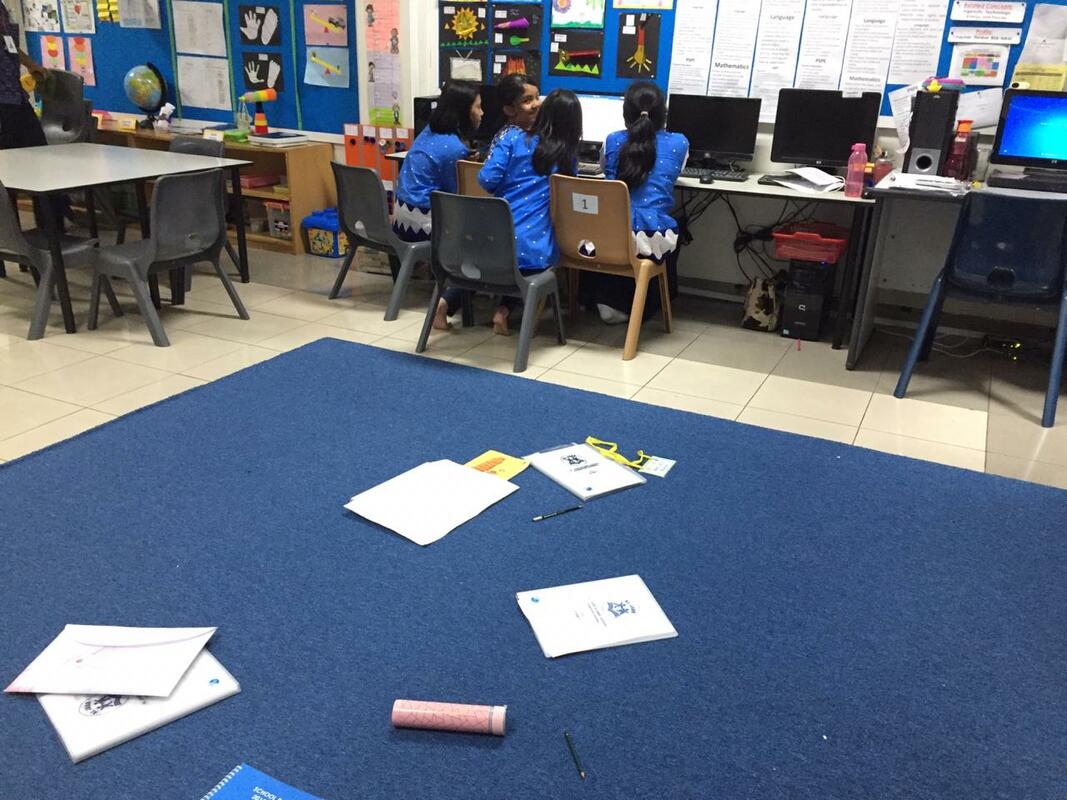
STEP 3: ENGAGING SUPPORT FROM THE LEARNING COMMUNITY
Collecting Data and Reporting Findings/ Researching and Seeking Information
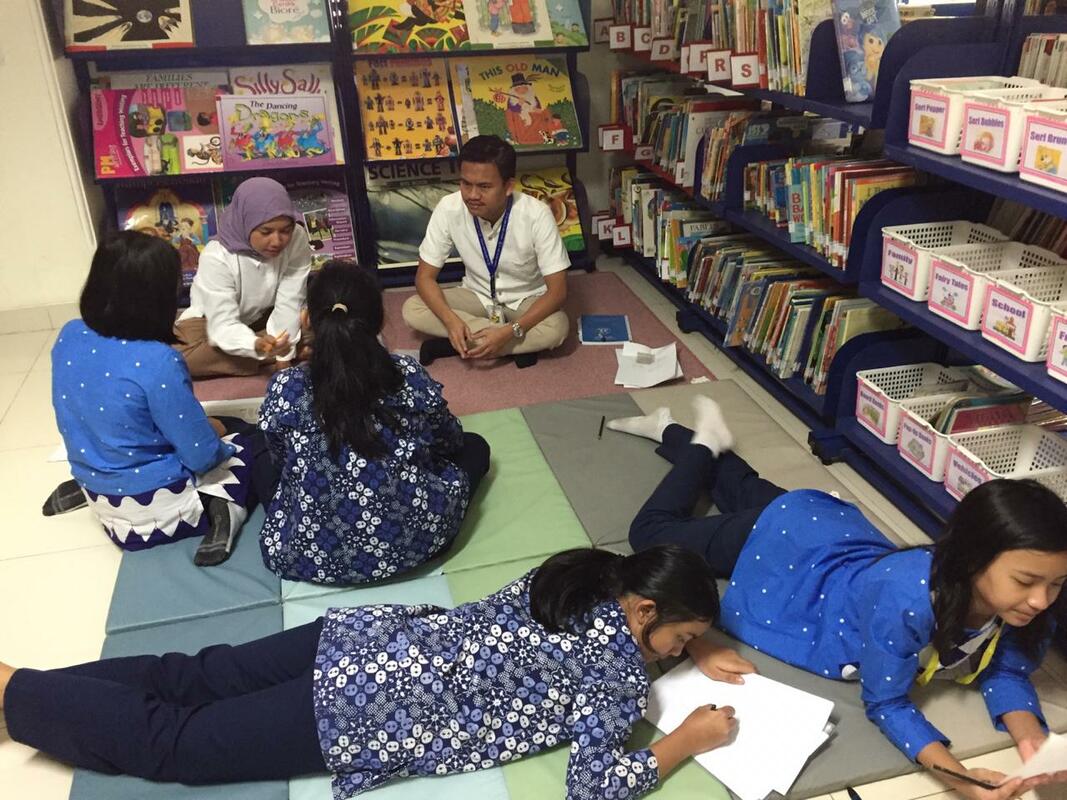
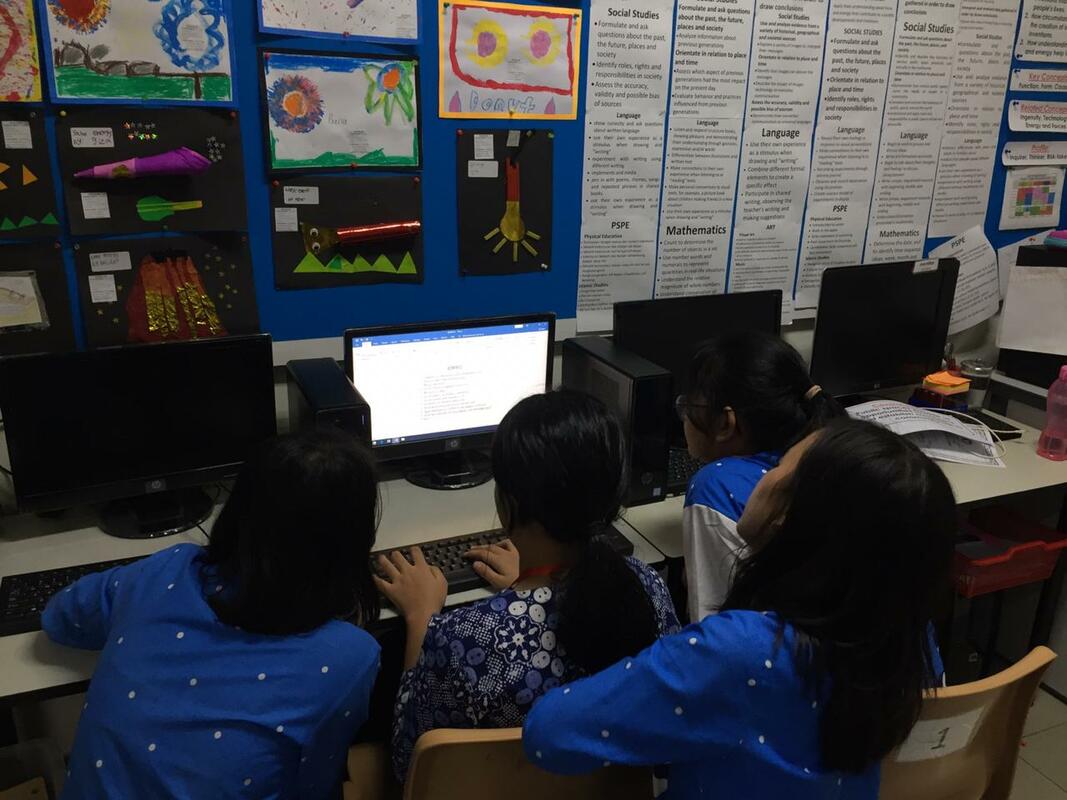
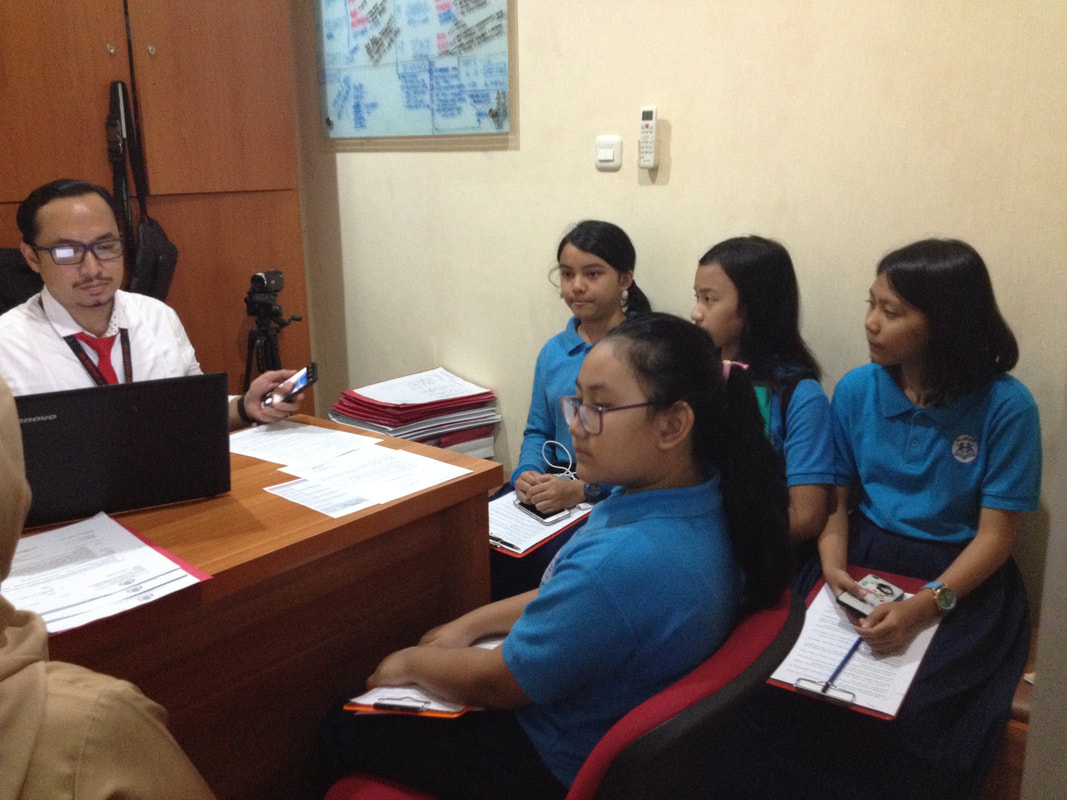
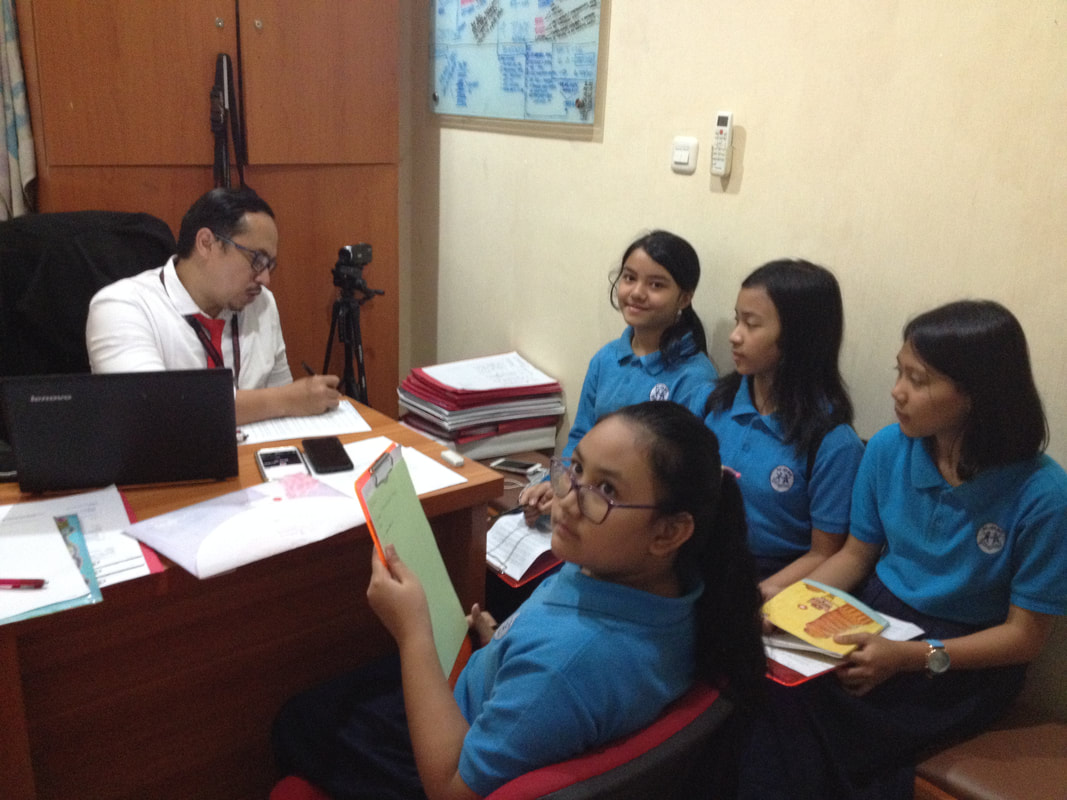
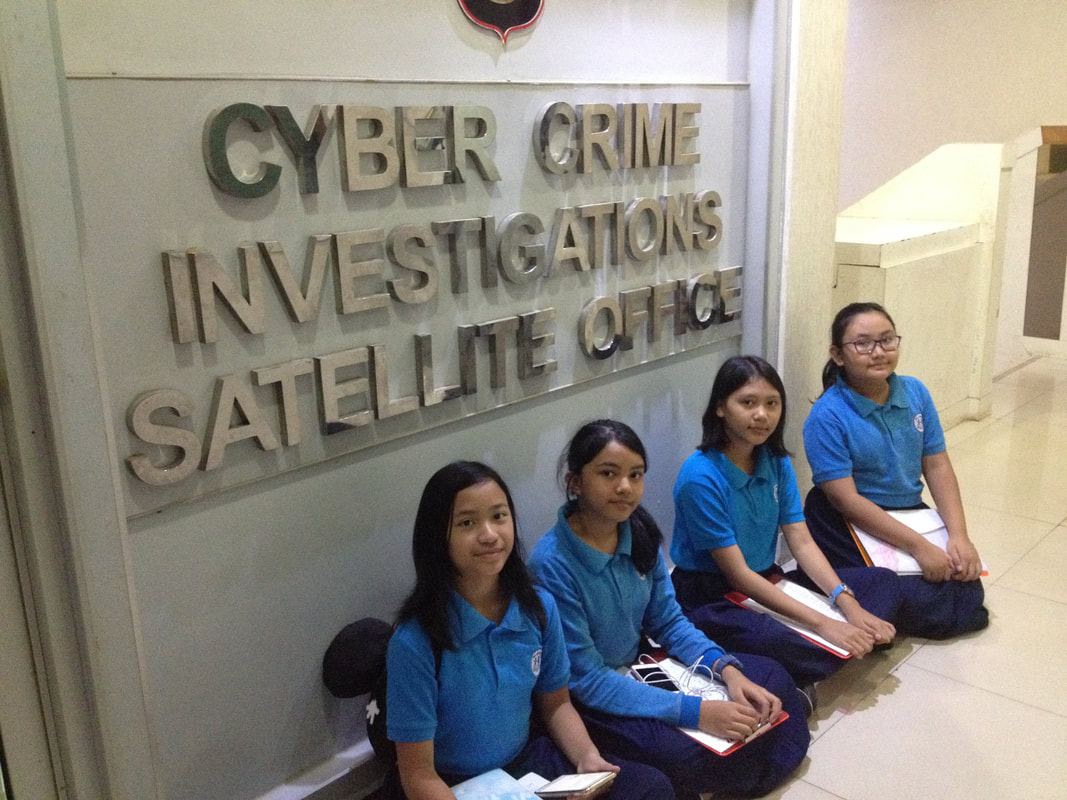
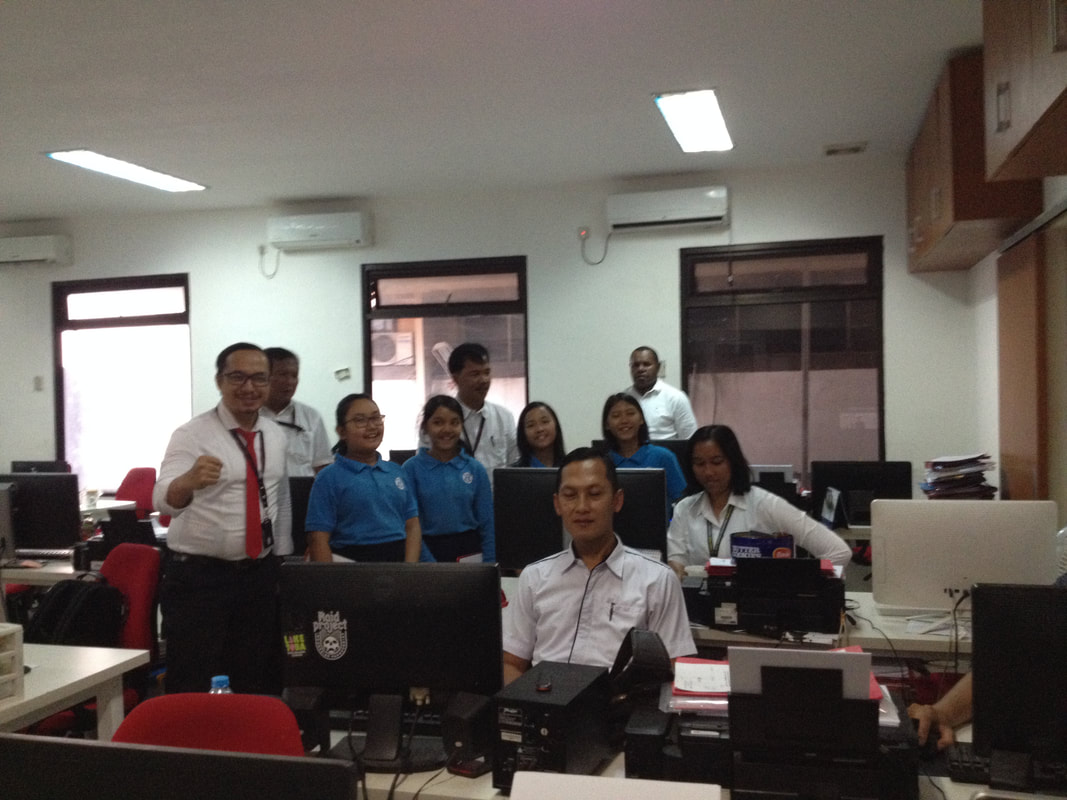
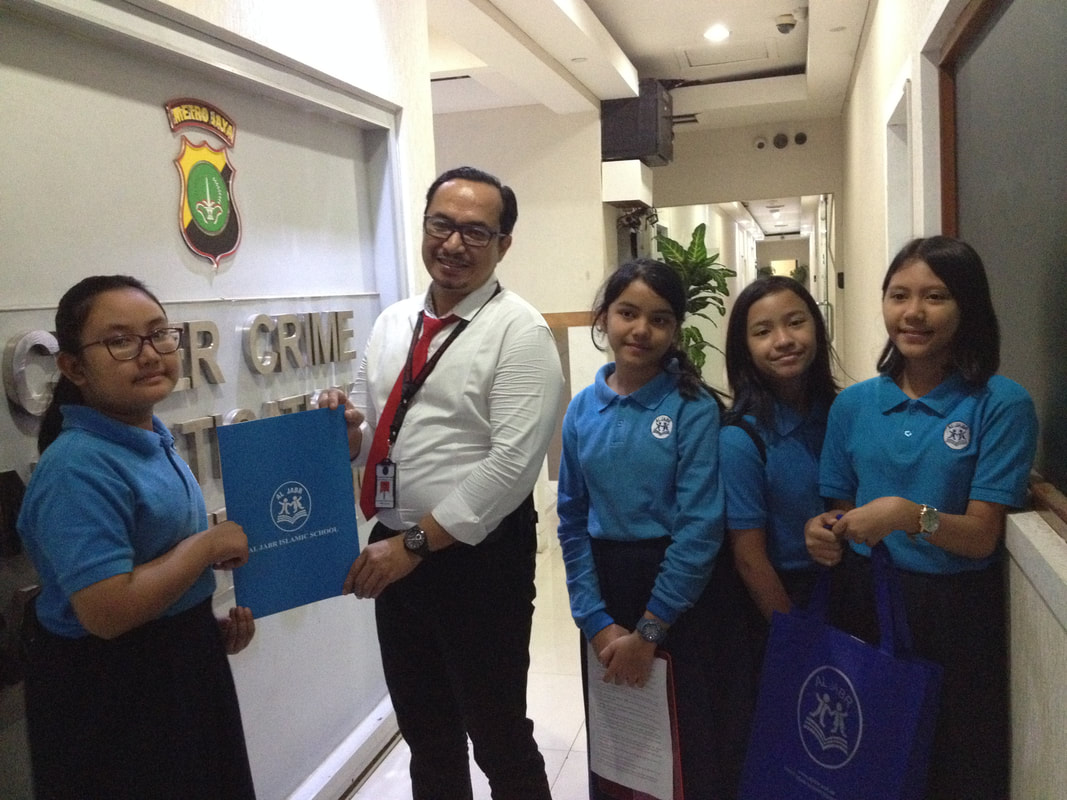
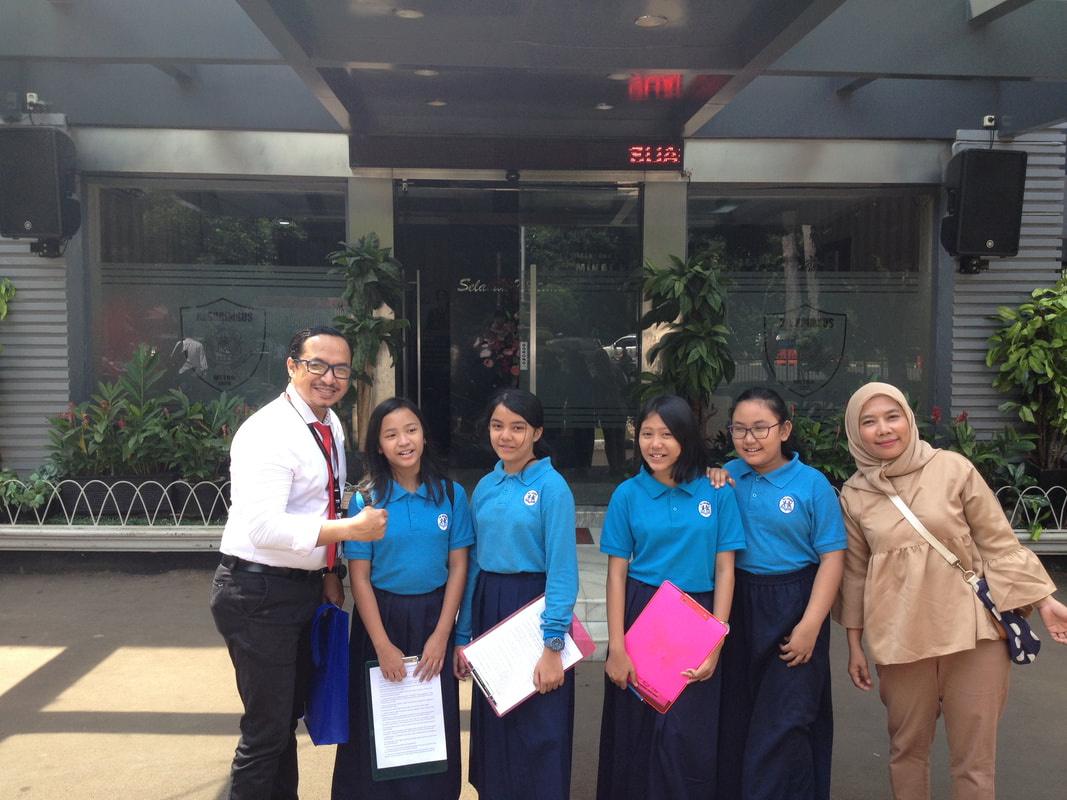
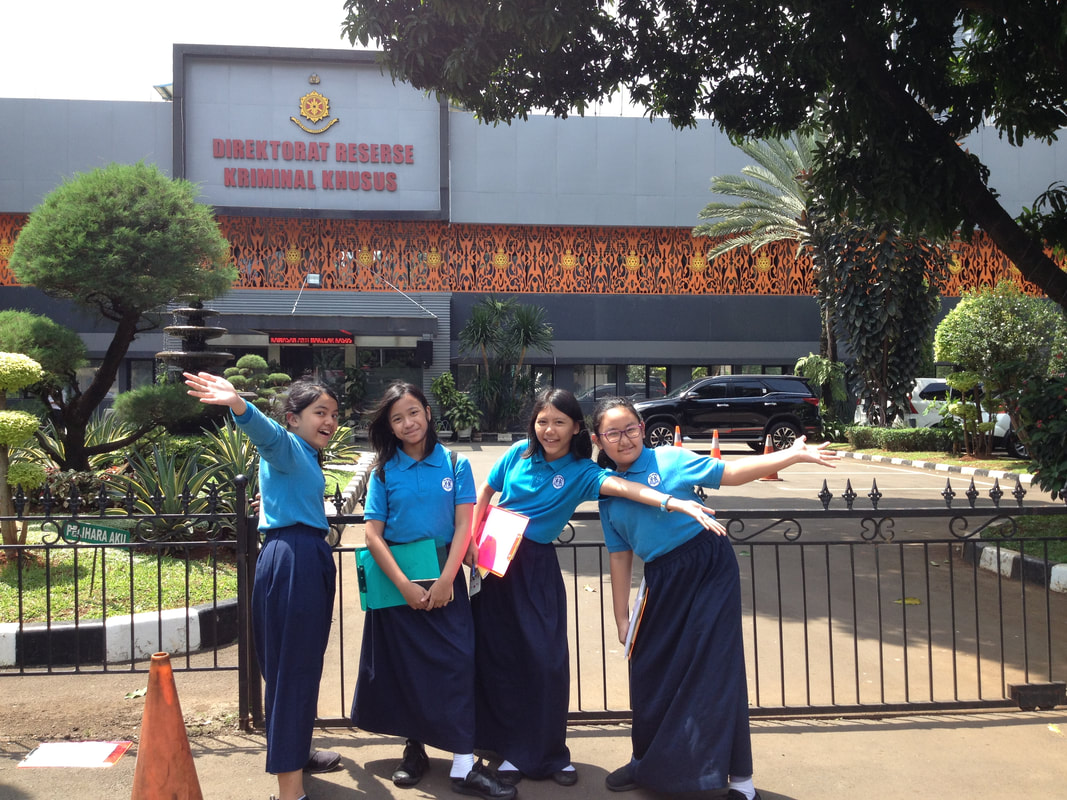
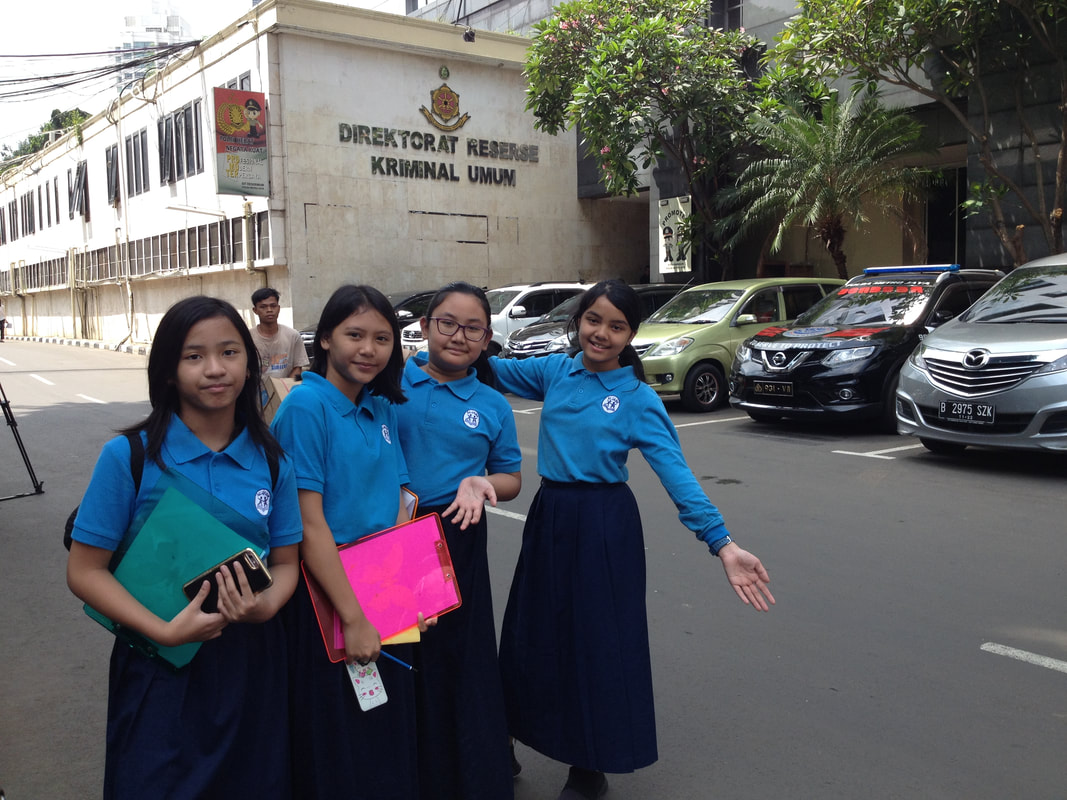
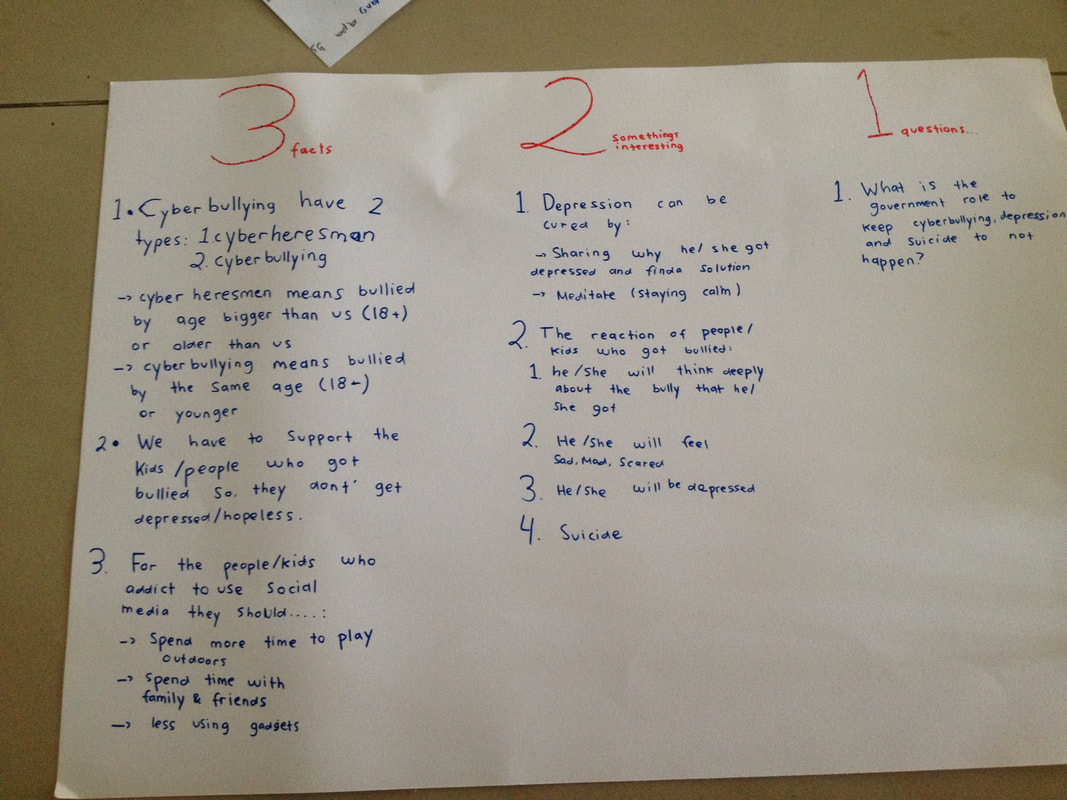
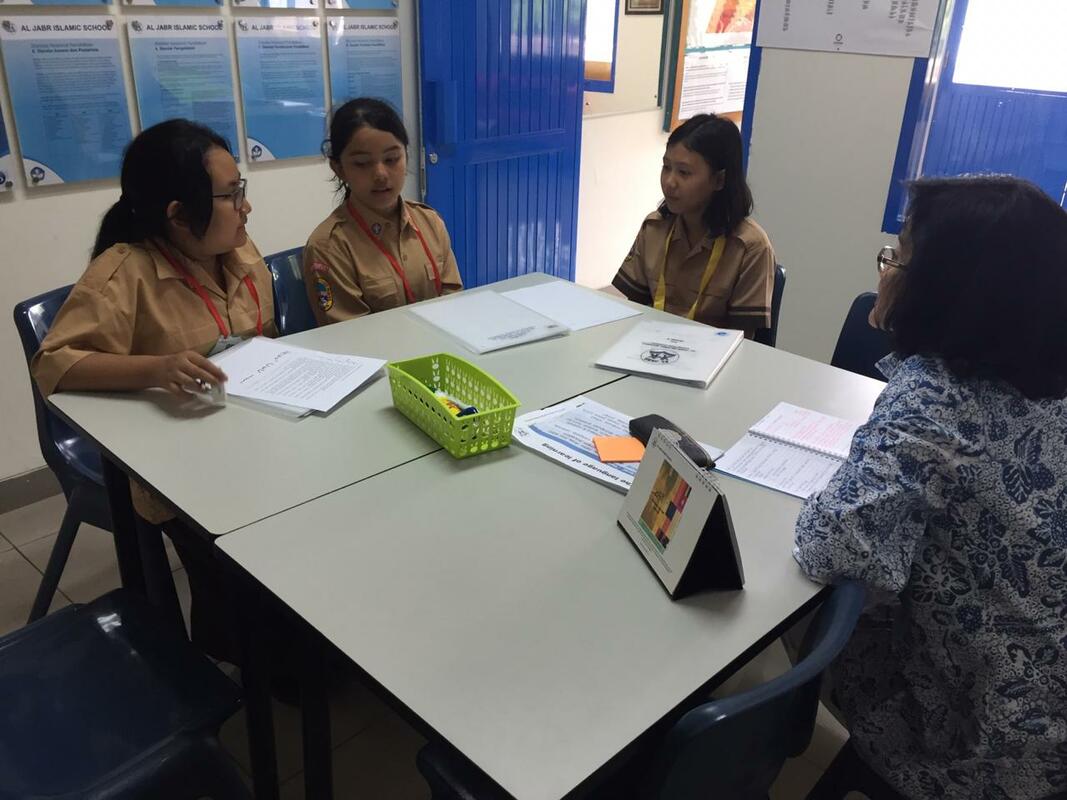
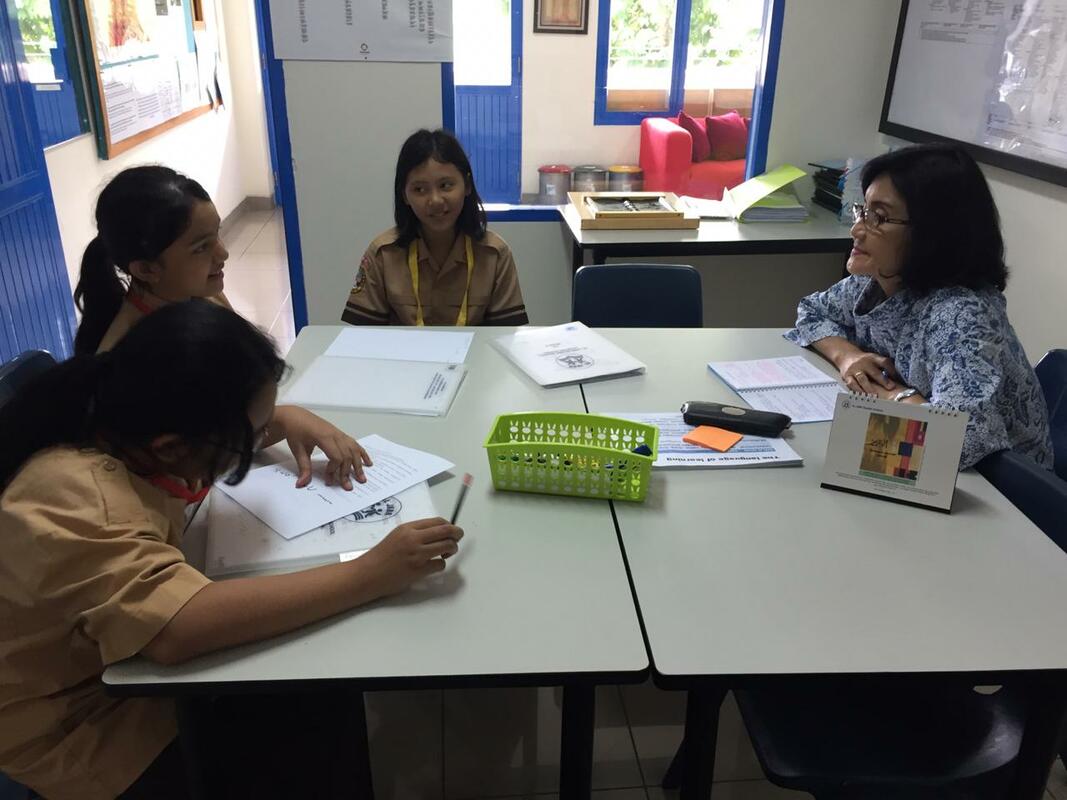
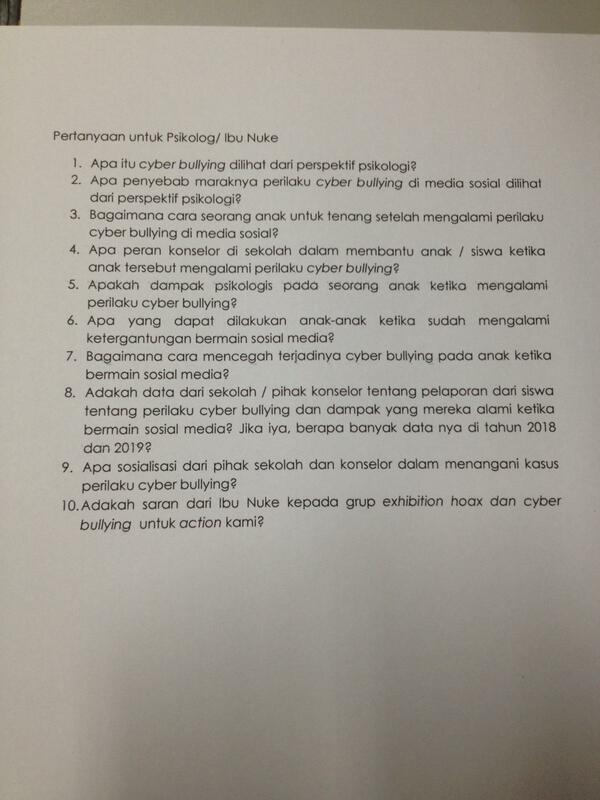
To gain more information about hoax and cyber bullying in social media, the students visited POLDA METRO JAYA ( Kompol Adri Desas Furyanto, SH MH) , KOMINFO , and Ibu Nuke as the psychology as their inquiry. They also made questions for the expert to deep their understanding about hoax and cyber bullying.
To gain more information about hoax and cyber bullying in social media, the students visited POLDA METRO JAYA ( Kompol Adri Desas Furyanto, SH MH) , KOMINFO , and Ibu Nuke as the psychology as their inquiry. They also made questions for the expert to deep their understanding about hoax and cyber bullying.
DIREKTORAT RESERSE KRIMINAL KHUSUS, POLDA METRO JAYA
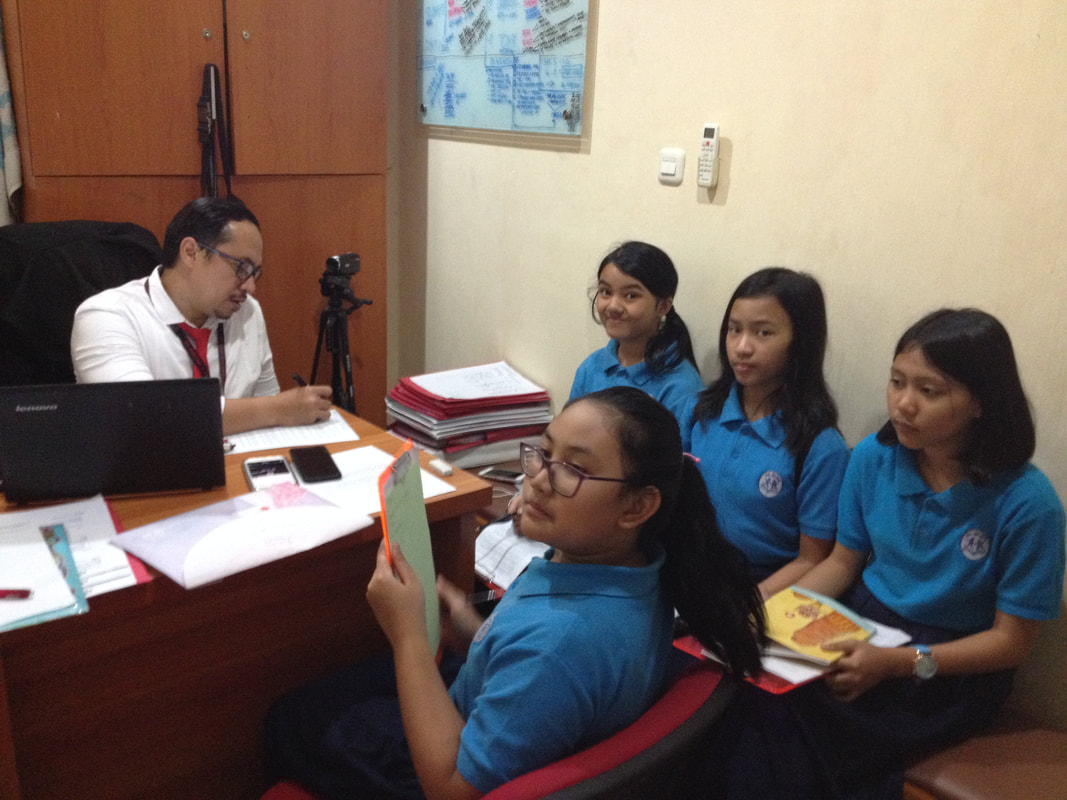
KEMENTERIAN KOMUNIKASI DAN INFORMATIKA
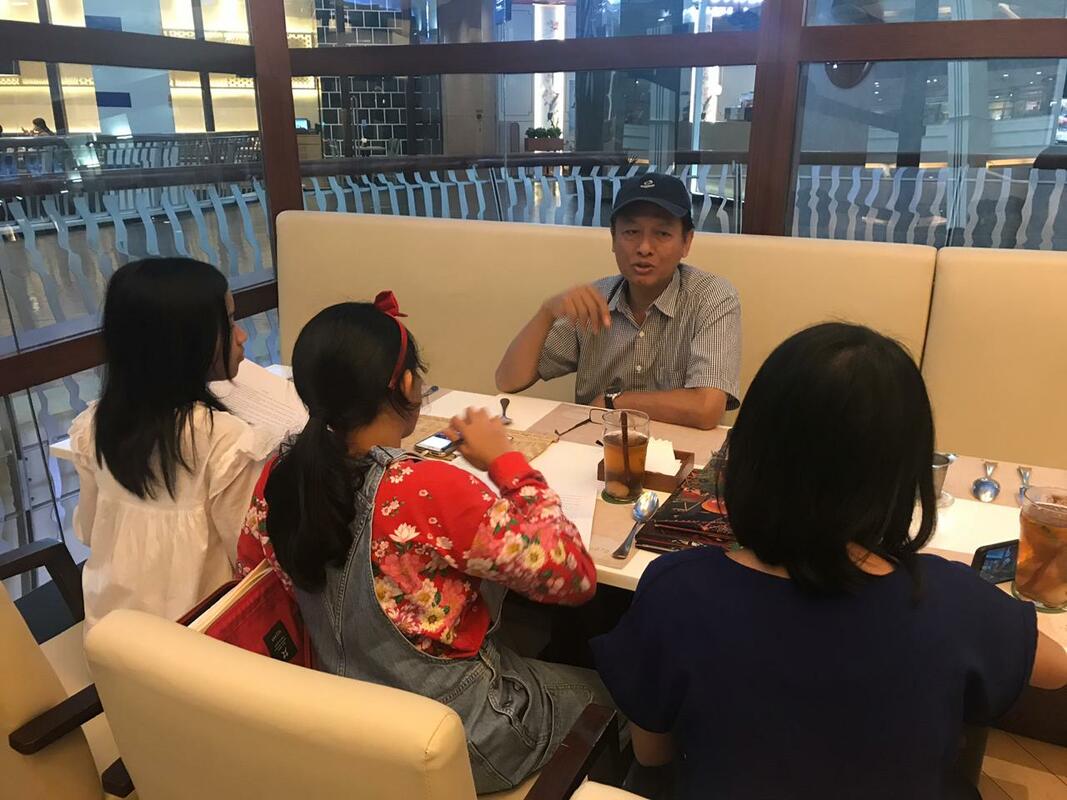
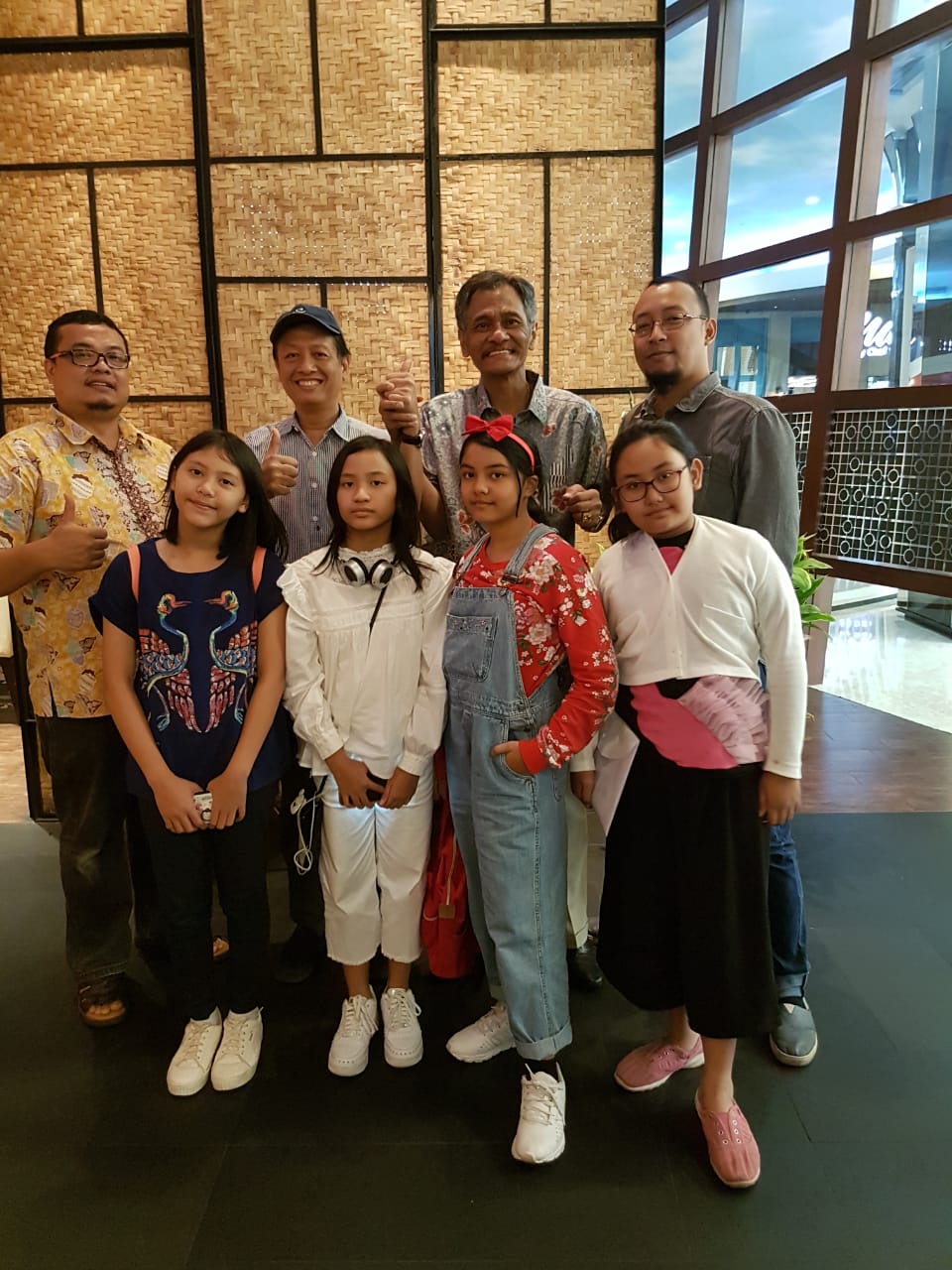
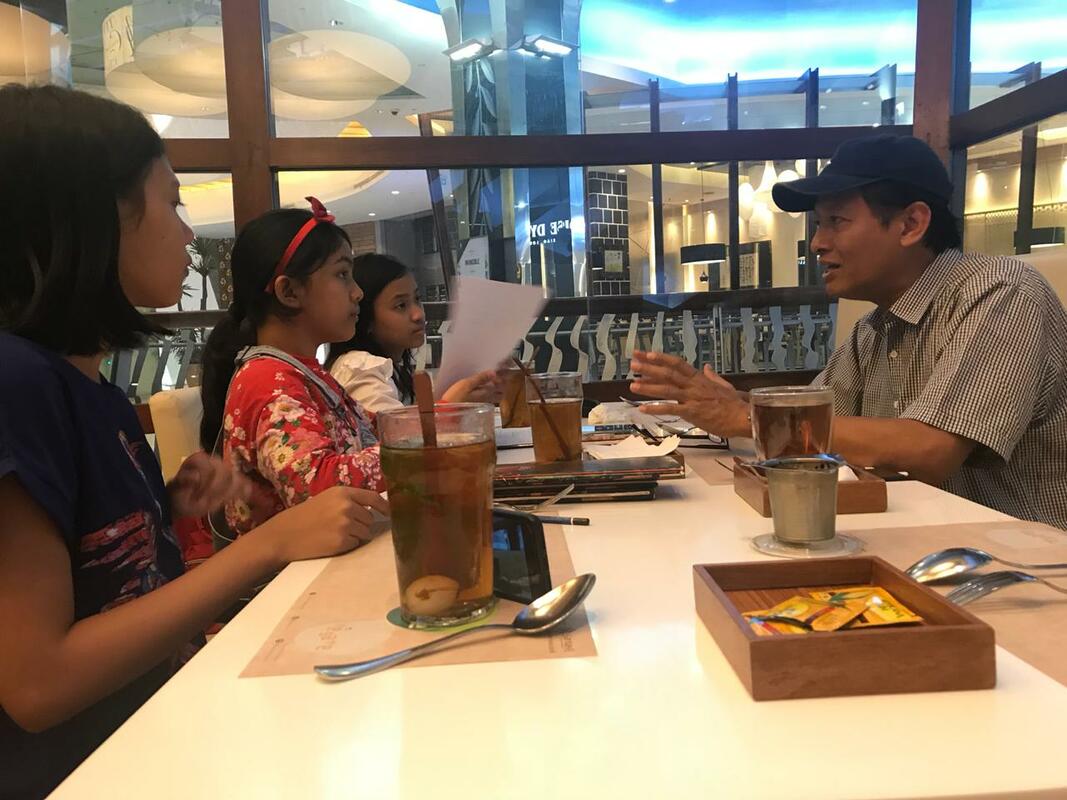
Interviewed the expert, Prof. Dr. Henri Subiakto, SH MA / Staf Ahli Menteri Bidang Hukum/KOMINFO, to gain knowledge and deep their understanding about hoax and cyber bullying, and investigated how the government roles in monitoring the citizens through social media.
Interviewed the expert, Prof. Dr. Henri Subiakto, SH MA / Staf Ahli Menteri Bidang Hukum/KOMINFO, to gain knowledge and deep their understanding about hoax and cyber bullying, and investigated how the government roles in monitoring the citizens through social media.
INTERVIEW THE PSYCHOLOGY, IBU NUKE
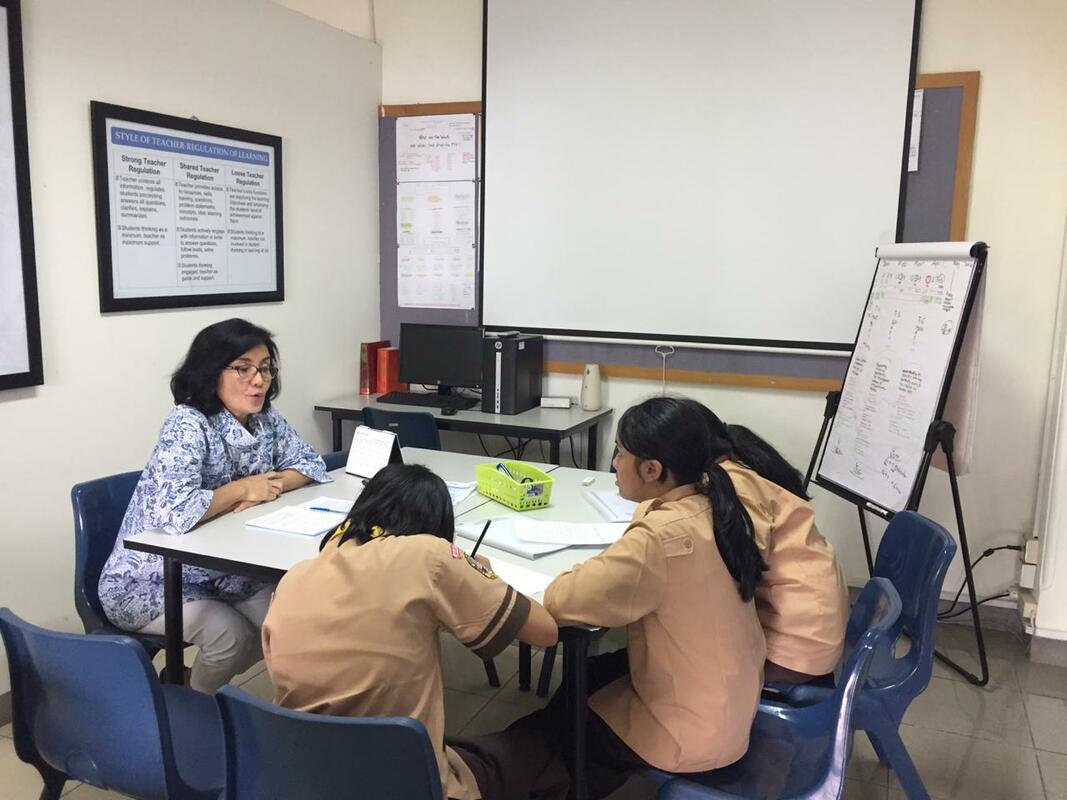
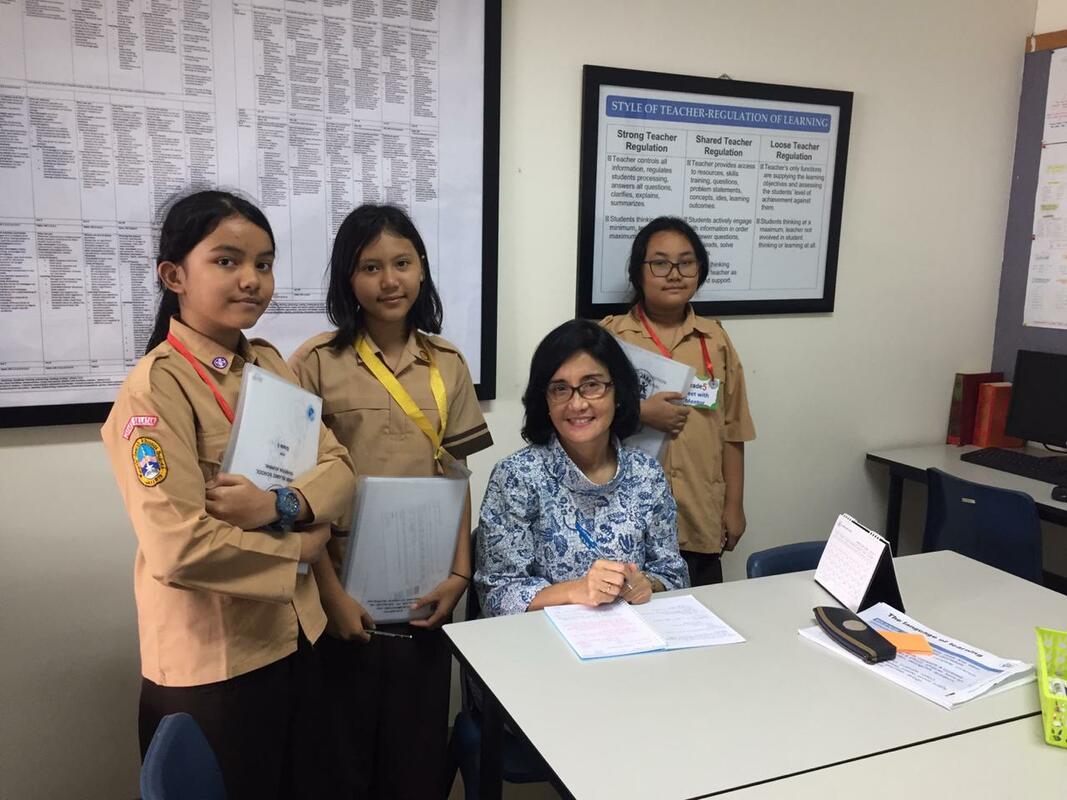
INTERVIEWED KAK NAURA
STEP 4: ORGANIZING THE LEARNING
Experimenting and Playing with Possibilities Solving Problems in A Variety of Ways
step 5: monitoring the exhibition
The students make poster, sticker, and book about hoax and cyber bullying.
step 6: sharing the exhibition
Social justice: The students do action by sharing their knowledge and information how to use social media wisely and educate SDN 13 Pagi Pondok Labu community about how the impact of social media to children.
They also share and give the sticker to Al Jabr community.
