
Cats diseases
|
Mentors

Ms. Vivi
 Mr. Hisyam Mr. Hisyam

Ms. Tiza
|
Central Idea: Biodiversity relies on maintaining the interdependent balance of organisms within systems
Key Concepts:causation, connection, responsibility Related Concepts: Balance; Biodiversity; Interdependence Lines of Inquiry: • Ways in which ecosystems, biomes and environments are interdependent • How human interaction with the environment can affect the balance of systems • The consequences of imbalance within ecosystems Learning outcomes:
|

Keira N
|

Keira Z
|
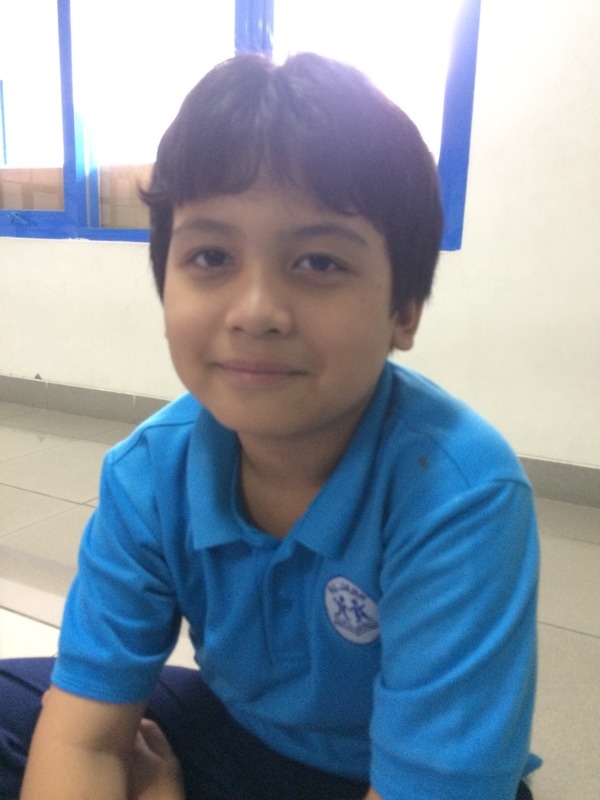
Bintang
|
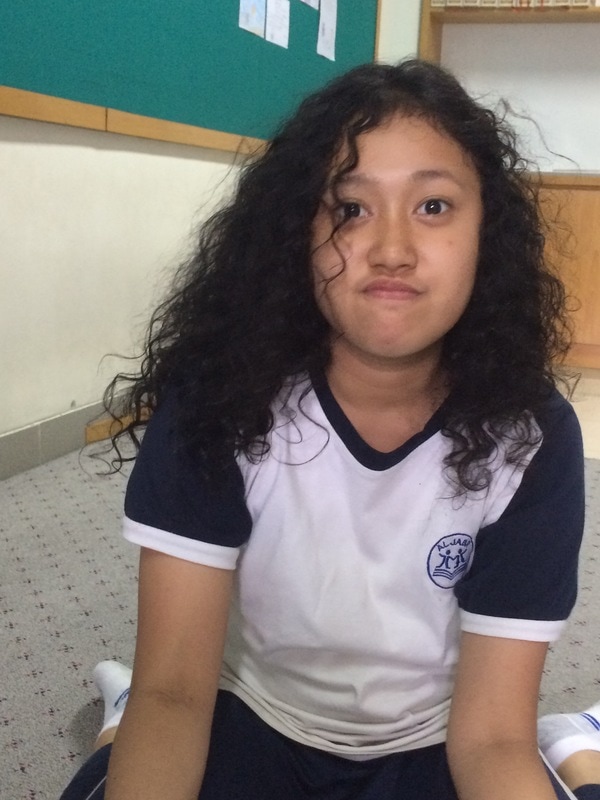
Nadine
|
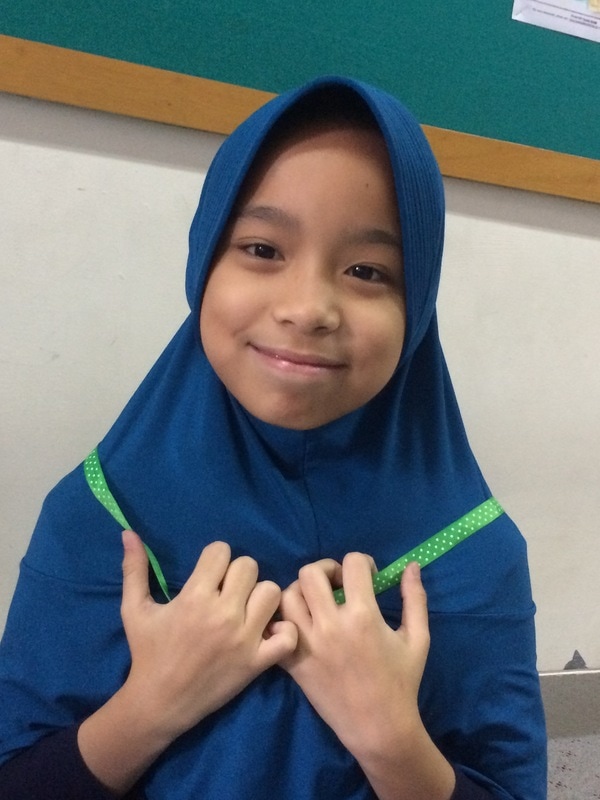
Caca
|
 Praya Praya
|
Introduction
- Hello! We are from the group cats disease we choose this topic because we wanted people to understand more about this topic. Why do we choose this topic? Its because we love cats and we want to know more about how to heal them and because there are millions of cats in the world and we want to know what are happening to them lately. And after all we really considered about their diseases, hopefully we can heal them and educate the people around us to be more careful about cat's diseases that can be easily transmitted to human and hopefully people also be able to increase their awareness to prevent this diseases.
exploring, wondering questioning
Cats are one of the animals that like to be around us at school especially during day time when meals time. The population is quite a lot as we often find different cats on different places.
The students then started to do observation and take pictures of cats that lives around the school. There are less that 10 cats found at school.
After the observation, the students also did independent research from books and articles about types of cats diseases and how it can spread to other cats.
To deepen their understanding, the students invited a Vet to explain about cats' diseases and how it transmitted to human or other cats.
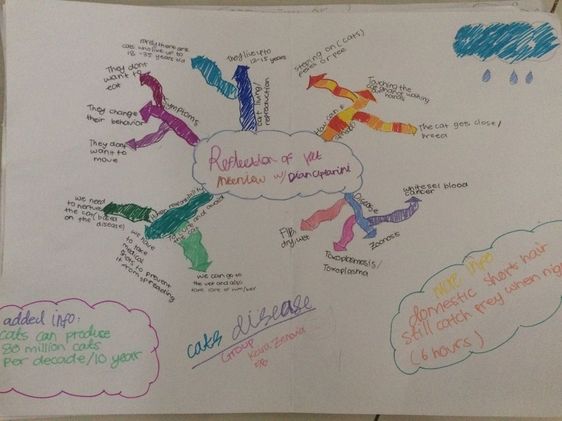
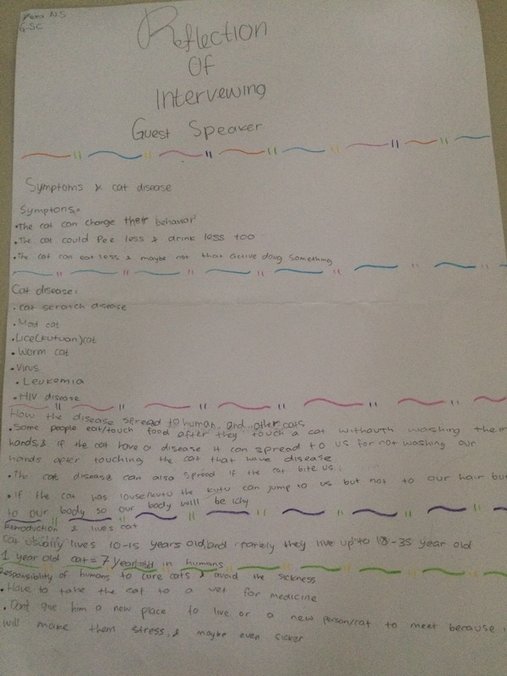
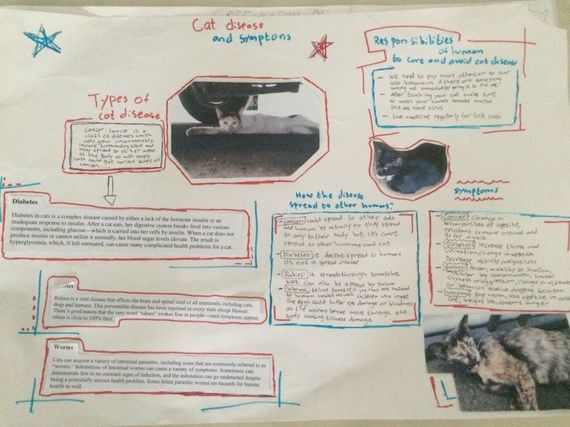
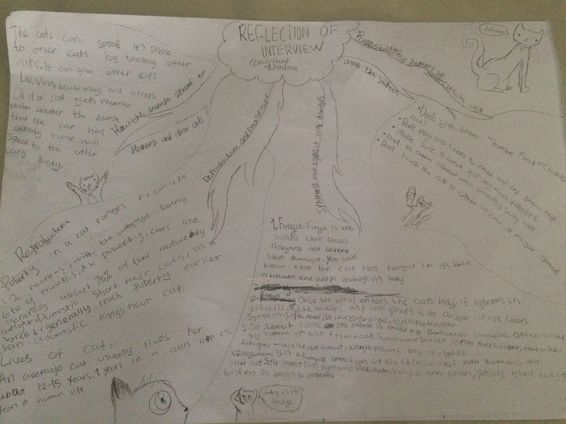
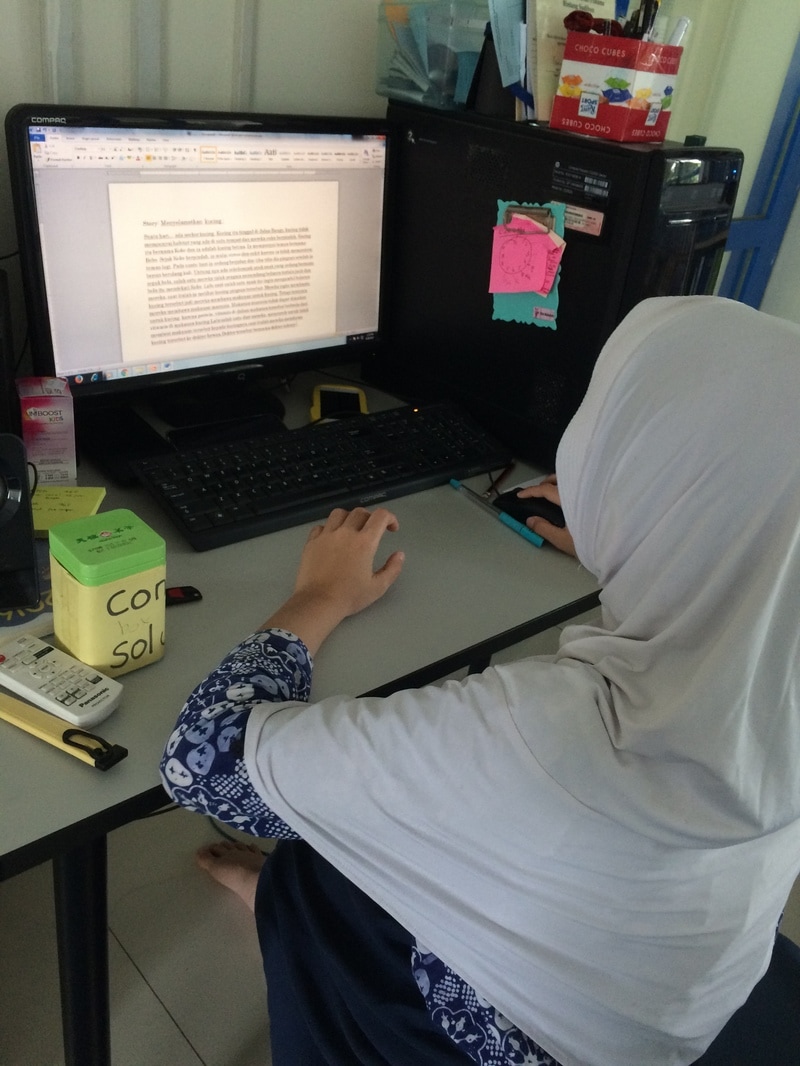
Then, the students made a reflection about the result of the interviewee by making report writing, chart and mind map.
The students then started to do observation and take pictures of cats that lives around the school. There are less that 10 cats found at school.
After the observation, the students also did independent research from books and articles about types of cats diseases and how it can spread to other cats.
To deepen their understanding, the students invited a Vet to explain about cats' diseases and how it transmitted to human or other cats.
Then, the students made a reflection about the result of the interviewee by making report writing, chart and mind map.
General Information about Cat
> Cats are cute and amazing animal
> Cats are considered to be carnivores because of their ancestors the lion are carnivores.
>Cats have a hunting Instinct, they hunt mouse and other smaller creatures. House cats sometimes share the same culture of stealing.
> Domestic cats however are different from stray cats they usually eat special dry cat food containing fish or meat
> Cats also have many diseases. Stray cats often carry dangerous diseases that could spread to other and human
> The cat's sense of taste is highly developed. According to scientist, however cats can't taste sweetness
> Cats can live from 10 - 15 years or more.
> Cat's coats also vary in length and color : White, brown, black, orange and gray. In addition, a cat's coat can have stripes, spots or patches of varying colors. One of the most common patterns is the tabby
> Cats are cute and amazing animal
> Cats are considered to be carnivores because of their ancestors the lion are carnivores.
>Cats have a hunting Instinct, they hunt mouse and other smaller creatures. House cats sometimes share the same culture of stealing.
> Domestic cats however are different from stray cats they usually eat special dry cat food containing fish or meat
> Cats also have many diseases. Stray cats often carry dangerous diseases that could spread to other and human
> The cat's sense of taste is highly developed. According to scientist, however cats can't taste sweetness
> Cats can live from 10 - 15 years or more.
> Cat's coats also vary in length and color : White, brown, black, orange and gray. In addition, a cat's coat can have stripes, spots or patches of varying colors. One of the most common patterns is the tabby
rESEARCHING AND SEEKING INFORMATION
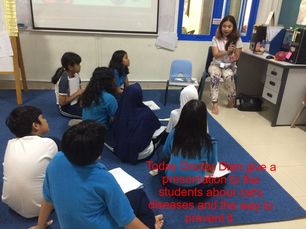
- To find more information about cats' disease, the students invited Doctor Dian to give a presentation to the students about cat's diseases and the way to prevent it. Then each student made a reflection using different of media.
TYPE OF CAT'S DISEASES
|
|
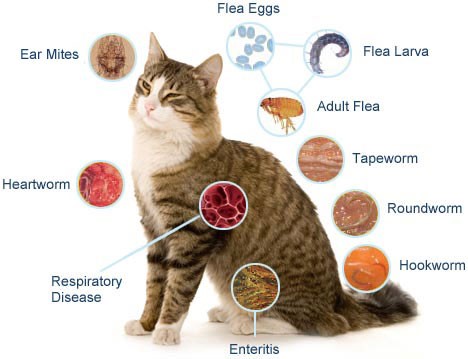
A. > Ear Mite : An ear mite infection will cause your cat's ears to itch, which often results in them shaking their head excessively, or scratching at their ears with their paws
> Resporator : Sniffling, Sneezing, clear to pus-like discharge from the eyes and/or nose, coughing and lethargy are common symptoms of an upper respiratory infection in cats. > Worm : Worm in cat an infection of intestinal parasite > Ringworm : is an infection with a fungus called a Dermatophyte. The fungus causes itchiness, hair loss, and scabs and crusting on the skin. B. Spreading, Healing and Prevention in Cat Diseases Spreading : - Ear mites, fungus, worm, respiratory disease transfer between animals - or "hosts" through physical contract - Through feces Healing : - Spot in treatment, -Take some medicine such as ear drop or vitamin, - Treatment by giving Antibiotic Prevention : - Keep your cat indoors to avoid exposure to infected cats, rodents, fleas and feces. - Vaccination, - Good hygiene and nutrition for cats, - Wash your hands after feeding, petting, playing with, or grooming your cat, and especially after applying medicine to the infected areas, Make sure our home , yard are clean and flea free
cat 1: memeng |

|
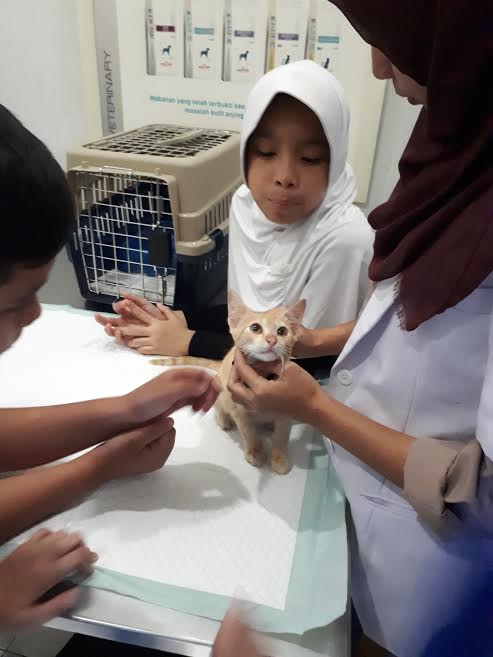
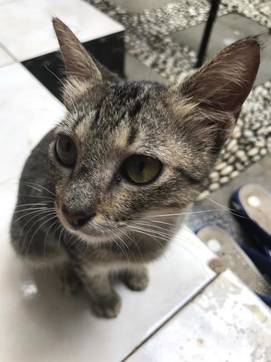
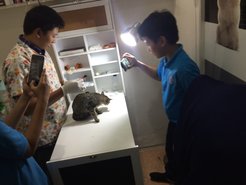
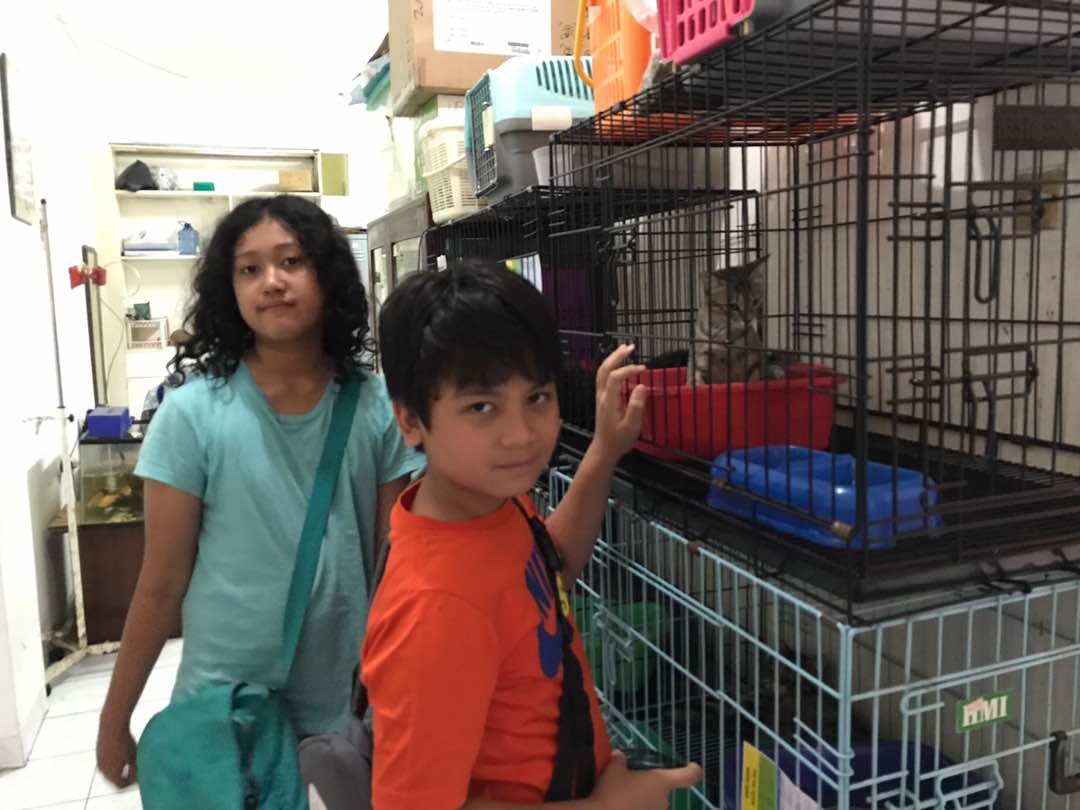
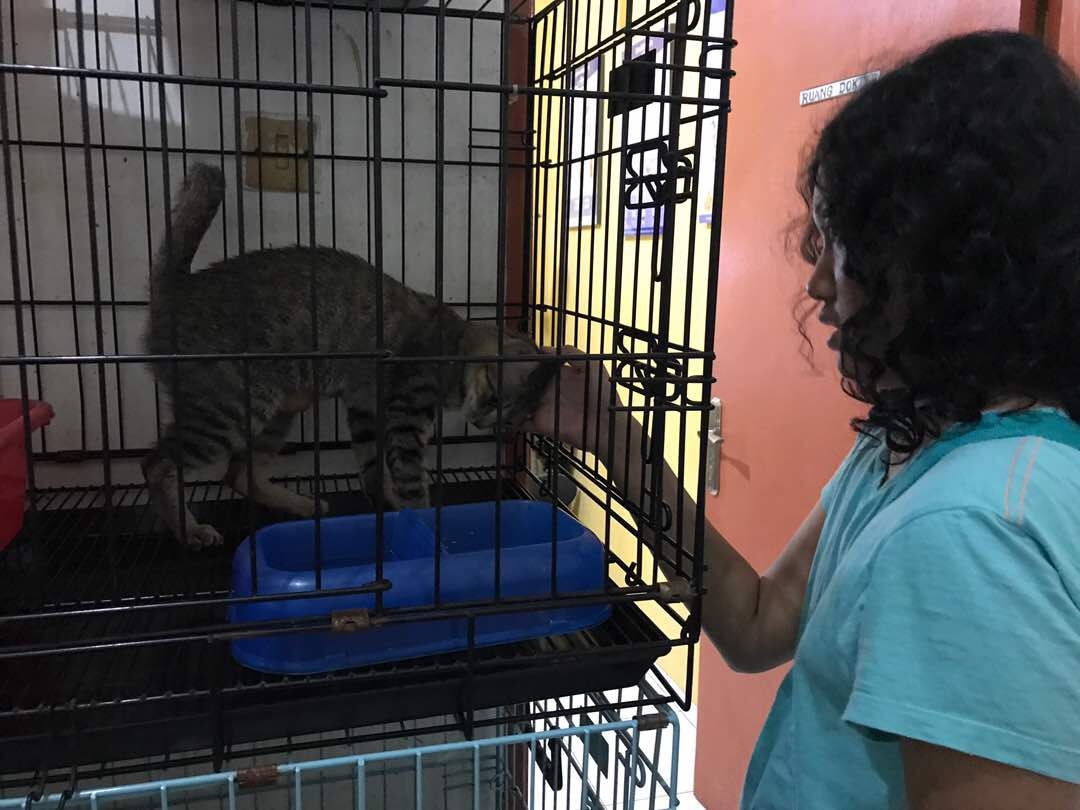
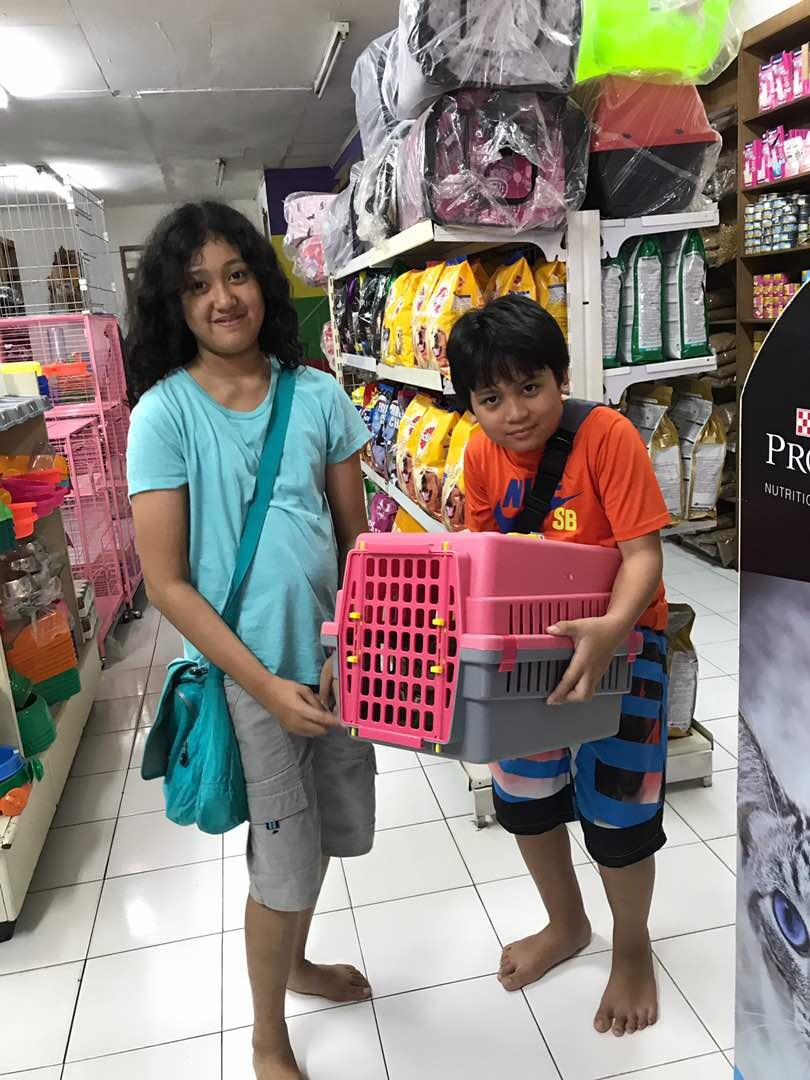
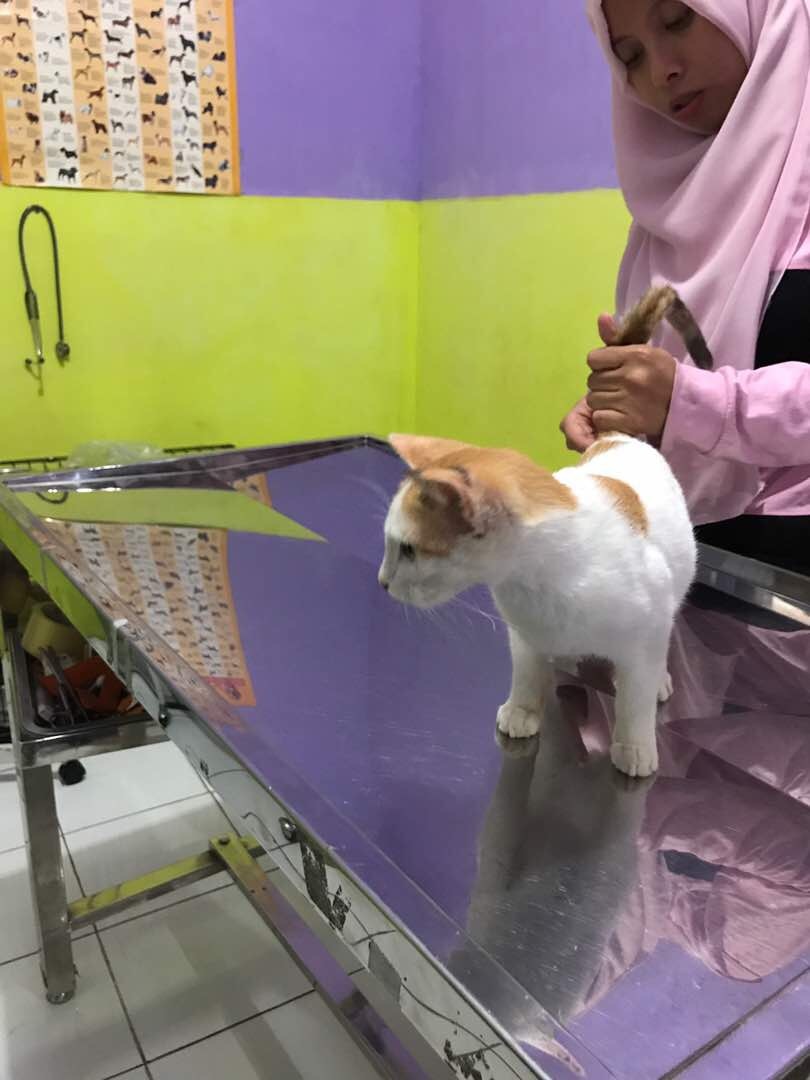
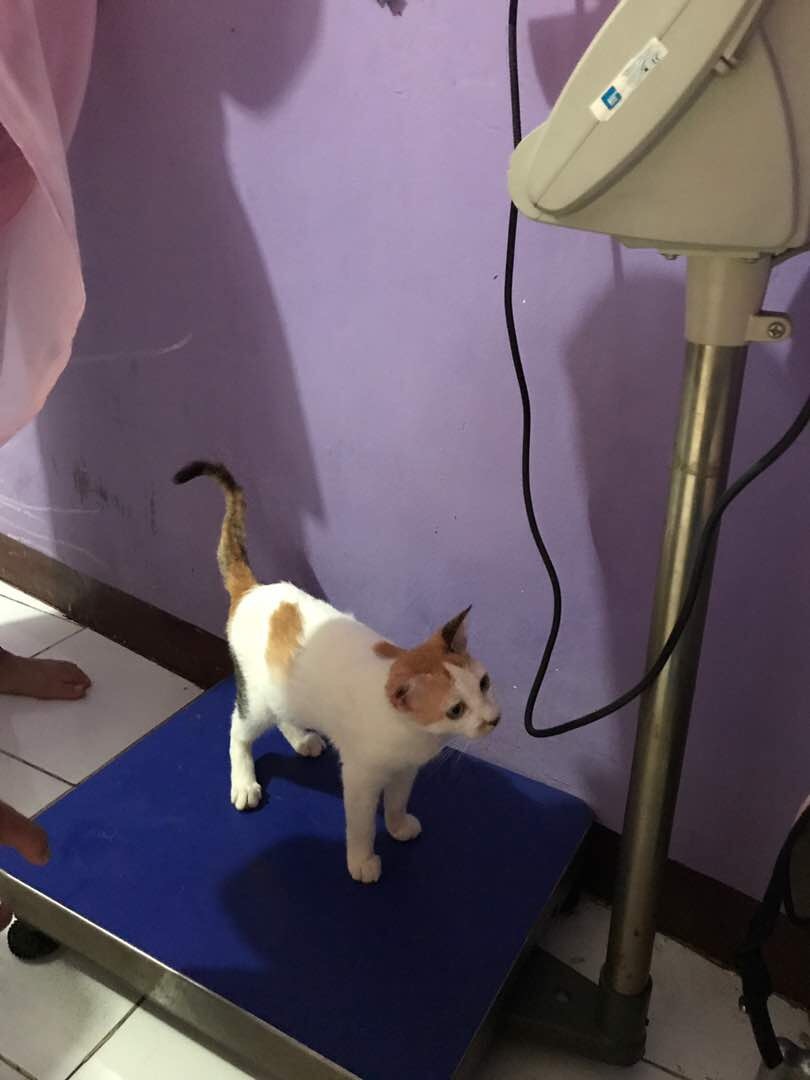
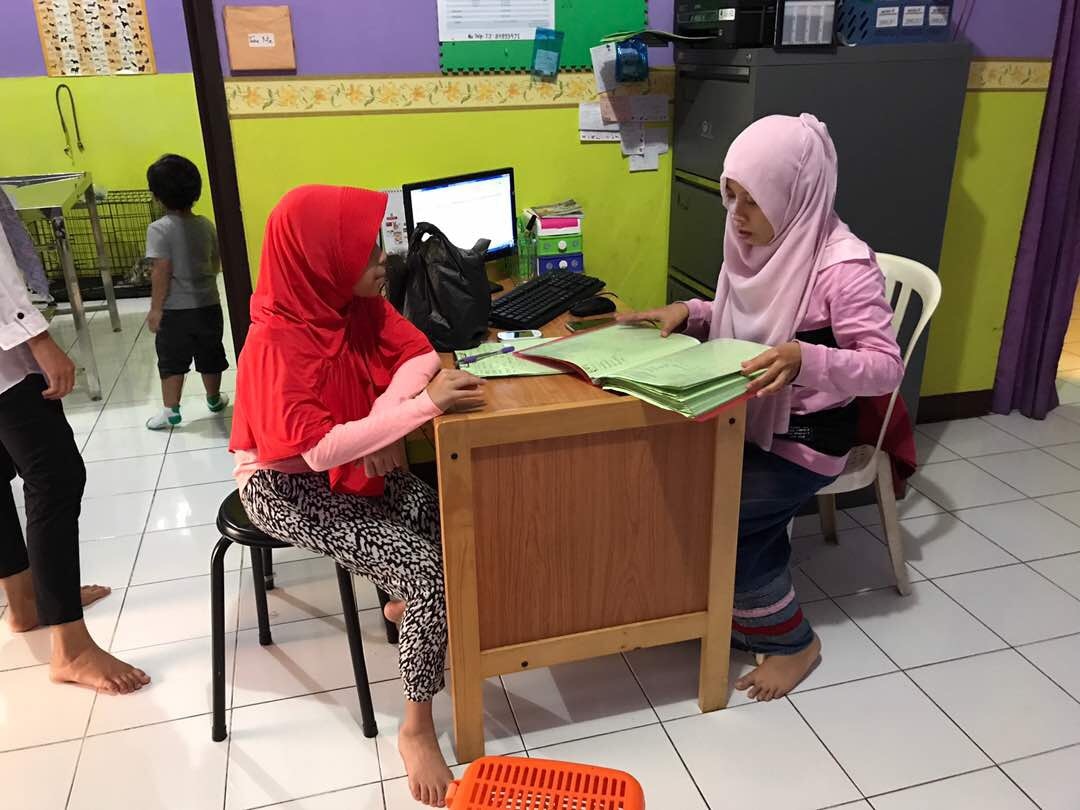
As the students wanted to find out the information about the types of cats diseases, so they caught one of teh cats around Al Jabr neighbourhood. The cats name is Memeng and it is a male cat which ages around 6 months. Then, they brought Memeng to Vet to check its health condition.
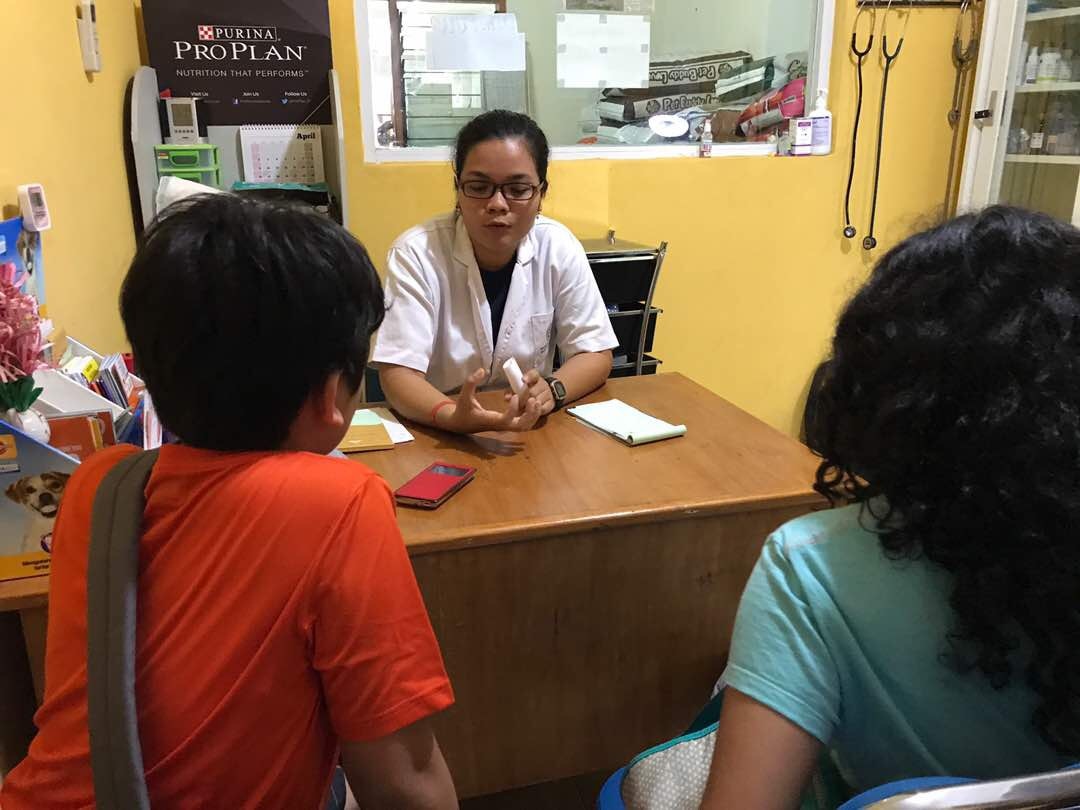
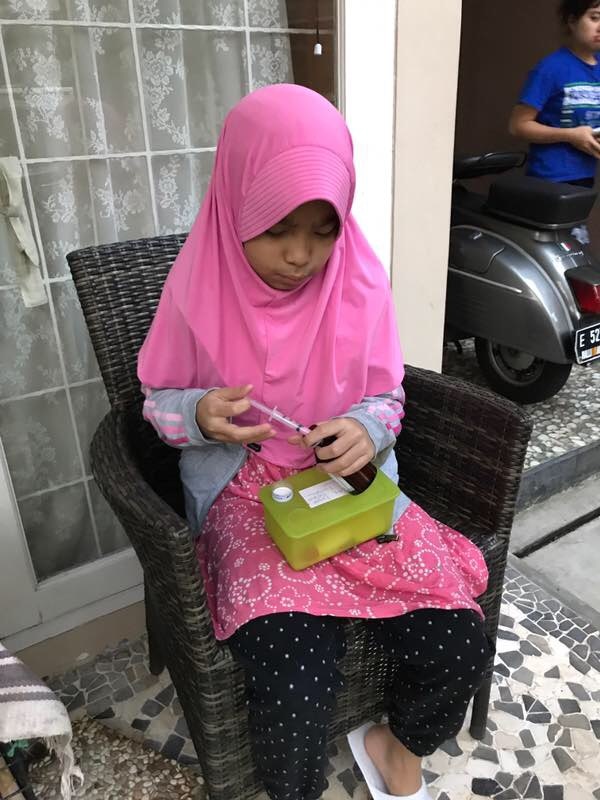
Based on the medical check up with Doctor Dimut showed that Memeng's ear have been infected by cat flea and also got stomach worms. The doctor gave some ear drops and vitamins As the follow up, Memeng was taken care by Keira Z to observe about its behaviour after checked by the doctor. Based on the recommendation, Memeng shoud be vaccinated after 2 weeks. During the treatment for 2 weeks, Memeng looked more calm and behave after giving medical treatment to his ears and stomach. She also raised her weight from 1.4 kg to 1.6 kg. |
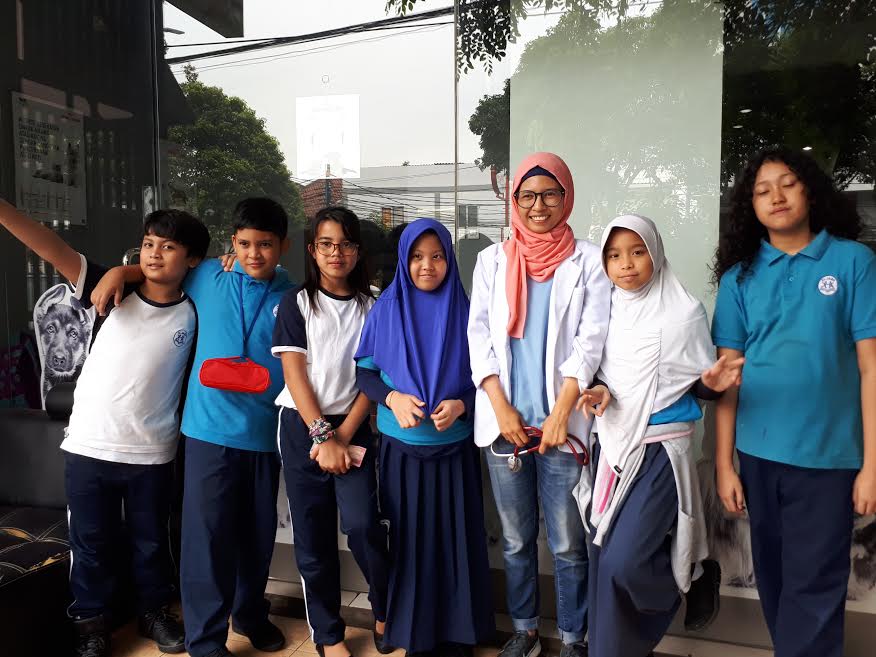
with Drh. Dimut from Animaux Petshop & Pet Clinic Pasar Minggu, Jakarta Selatan
(Jakarta, 23 March 2017) |
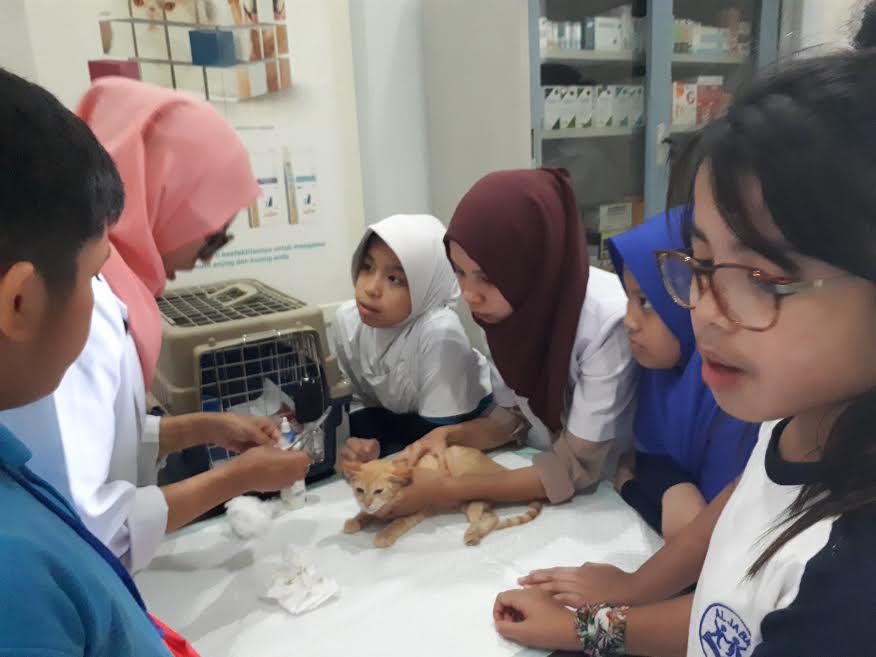
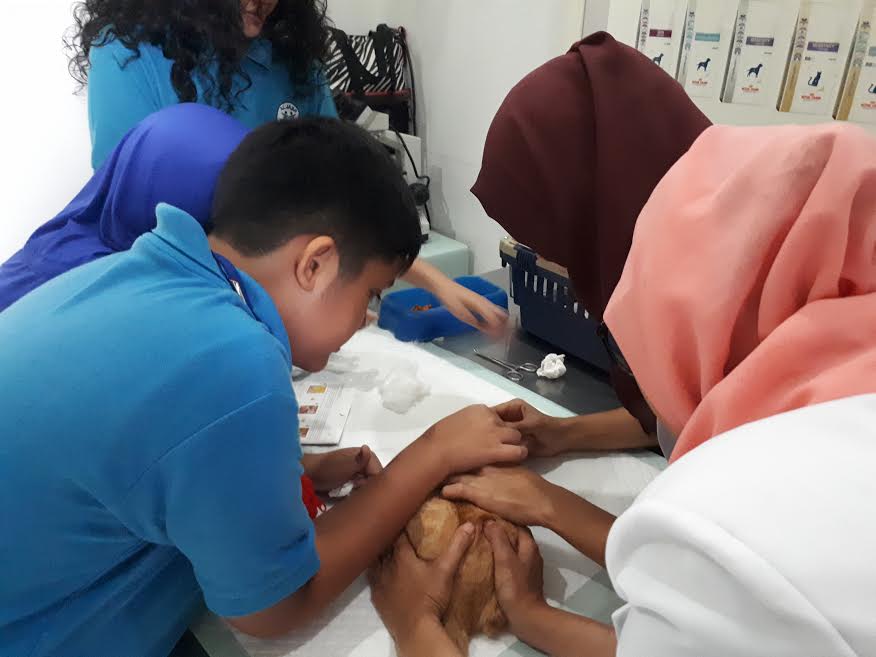
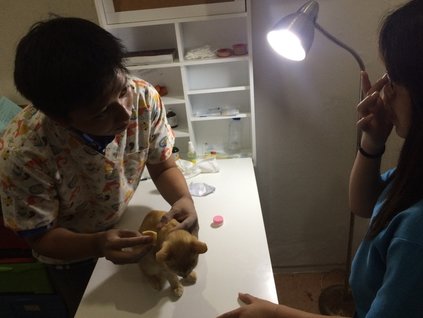
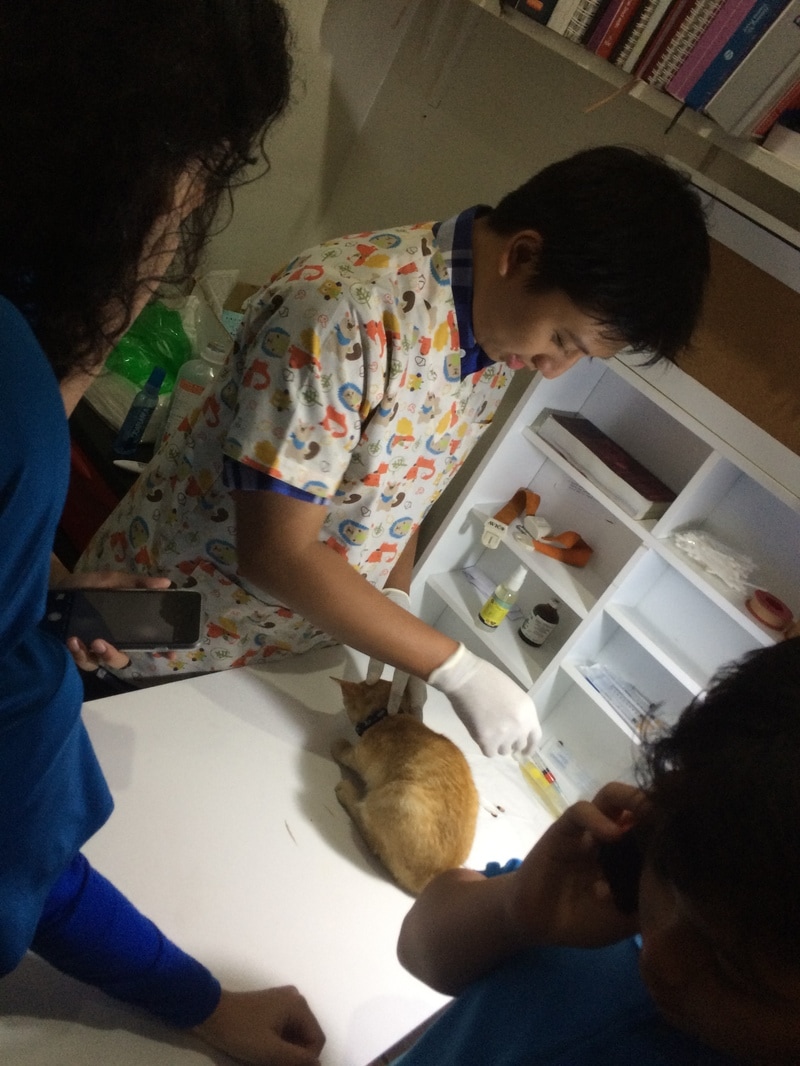
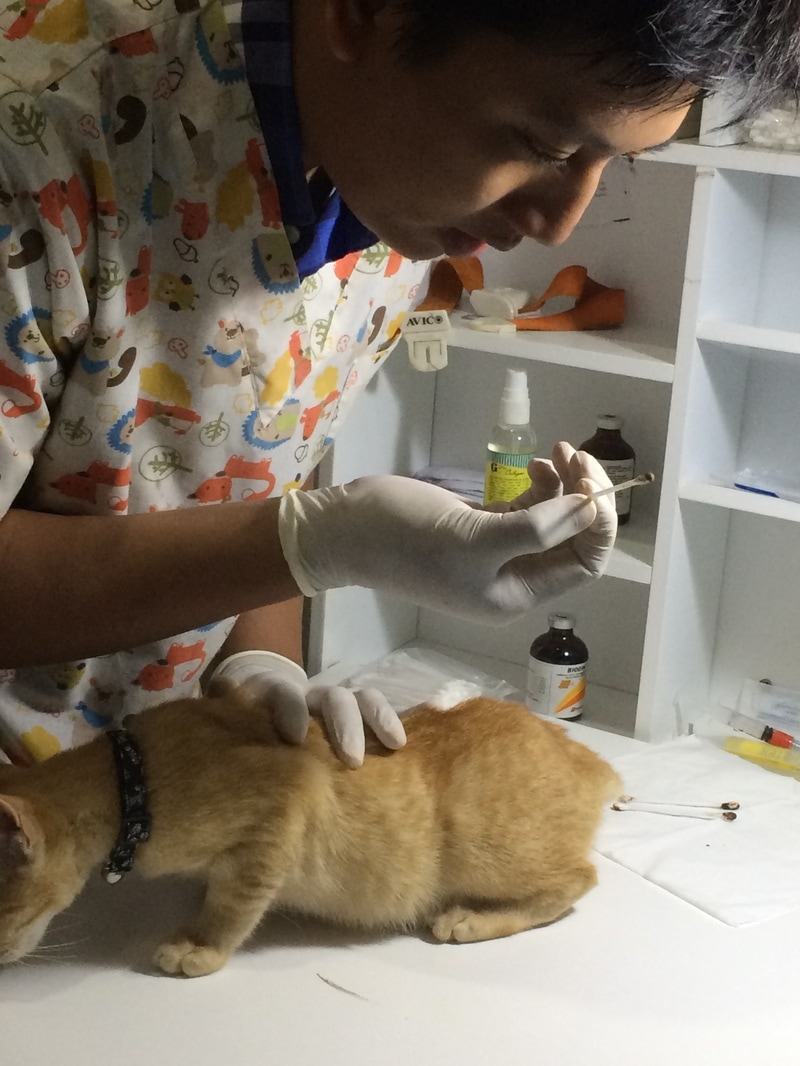
After 2 weeks treatment, Memeng was brought to the Vet to check and vaccinate. Unfortunately, he got some fungus on his shoulder that needed to be cured first. This disease is contagious to human or other cats. So, the doctor recommend to put some cream to make his fungus stopped and healed.
|
|
|
|
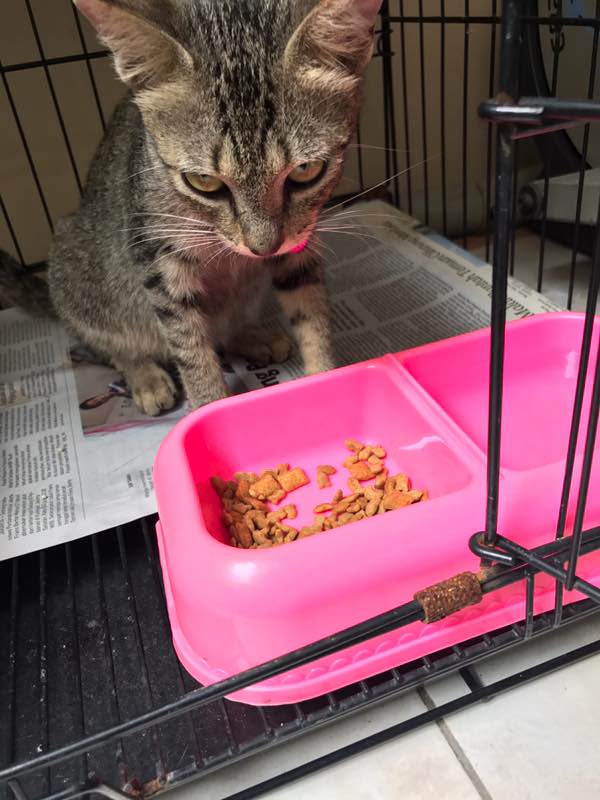
To enrich our data about cats diseases around Al Jabr so we caught another cat. Its name is Marz which age is around 8 months with the weight is 2.4 kg.
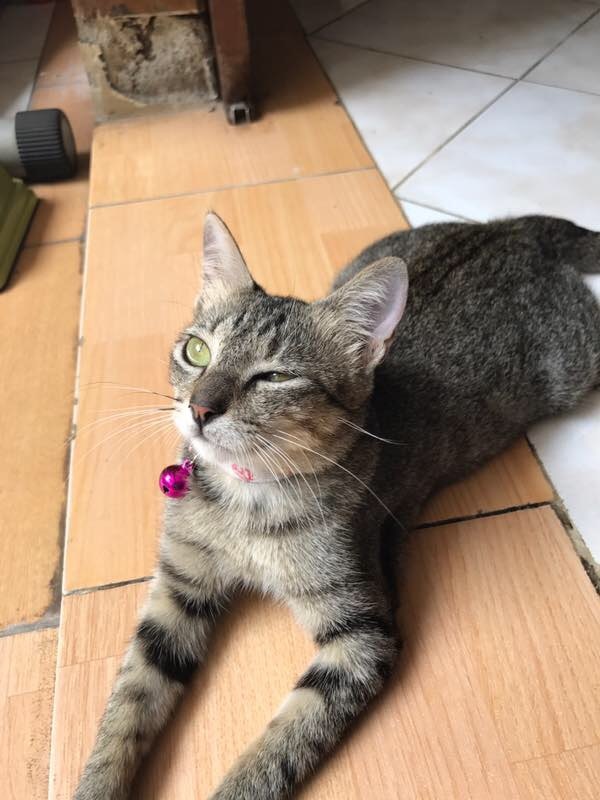
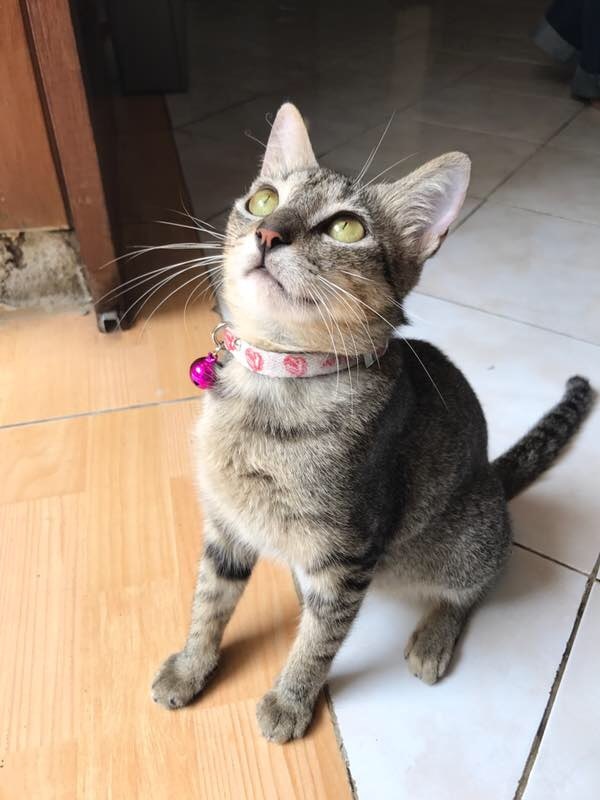
When the doctor checked his condition showed that the cat was a little bit anxious (from the eyes) and high body temperature 39.8. Overall, Mars was in a good condition and his ears were also clean enough. So the doctor only gave some vitamins and medicine to reduce the body temperature. Now, Mars is being kept by Bintang. And we will check the condition after 7 days. After we take a good care of Marz for 2 weeks, we finally found more facts about Marz :
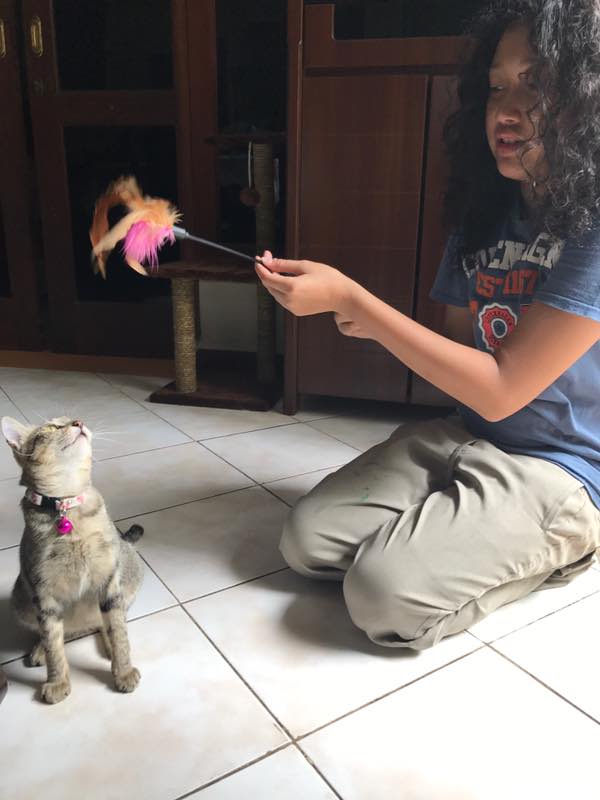
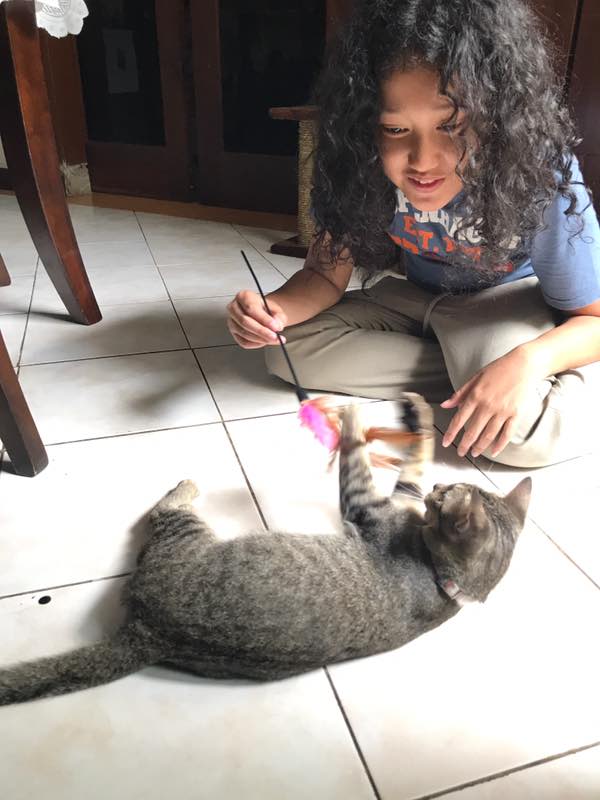
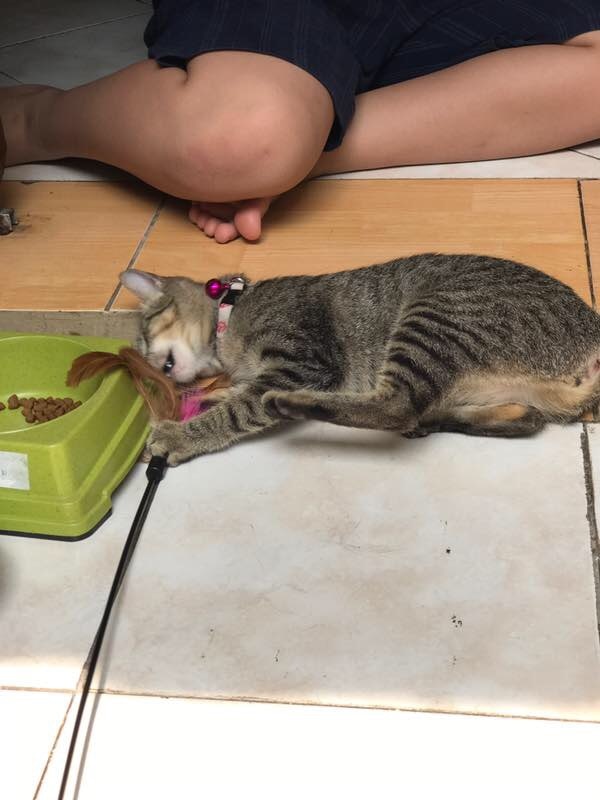
.> Marz is hyperactive she likes to play with toys and eat a lot of Food ( Quiet up-normal ) > Marz has a disease that makes her pee becoming blood and start to get warmer everyday. A couple of days earlier we found something stuck in Marz's secretion female system we think that it may be flesh coming out her secretion system. > Once we checked to the vet con firmed that there are suppuration on Marz's behind. Marz had a pyometra (uterus infection). We took Marz and sterilized her now hope fully she is feeling a bit more better |
Human responsibility

> Human Responsibility are :
- Keeping the cat healthy by giving them nutritious food
- Preserve their habitat
- Control their reproduction system in order to prevent of over population
- Keeping the cat healthy by giving them nutritious food
- Preserve their habitat
- Control their reproduction system in order to prevent of over population
Responsibilities towards a sick cat
> Be caring towards the cat
> Visit a veterinarian and follow his/her advice
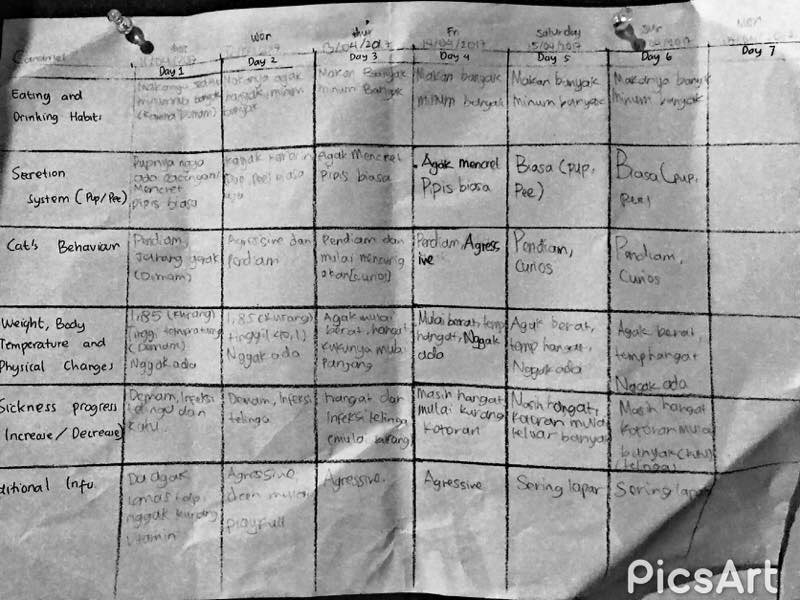
> Check on the cat everyday to see if the disease have increased or decreased
> Give them a good quality food
> Give them a good treatment
> Be caring towards the cat
> Visit a veterinarian and follow his/her advice
> Check on the cat everyday to see if the disease have increased or decreased
> Give them a good quality food
> Give them a good treatment
, Quran Quotation
An - Nur 45 : Allah has created every (living) creature from water. And of them are those that move on their bellies, and of them are those that walk on two legs, and of them are those that walk on four. Allah creates what he wills. Indeed, Allah is over all things competent.
An - Nur 45 : Allah has created every (living) creature from water. And of them are those that move on their bellies, and of them are those that walk on two legs, and of them are those that walk on four. Allah creates what he wills. Indeed, Allah is over all things competent.
CAT 3: CARAMEL
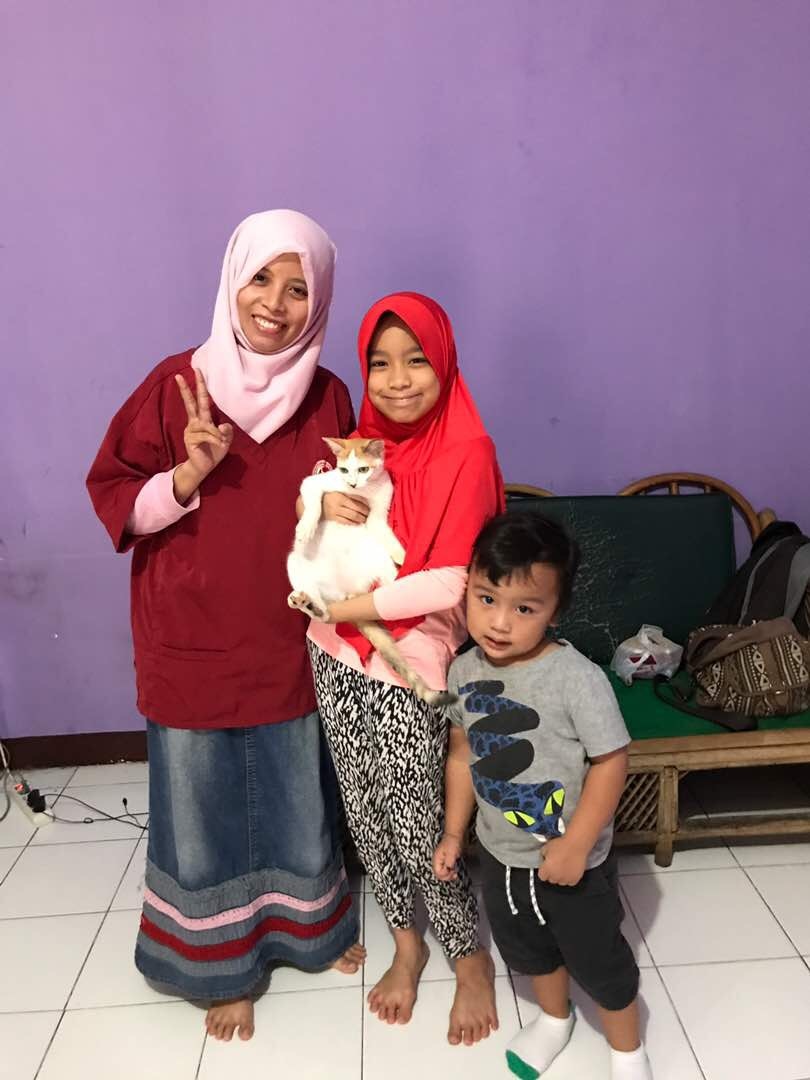
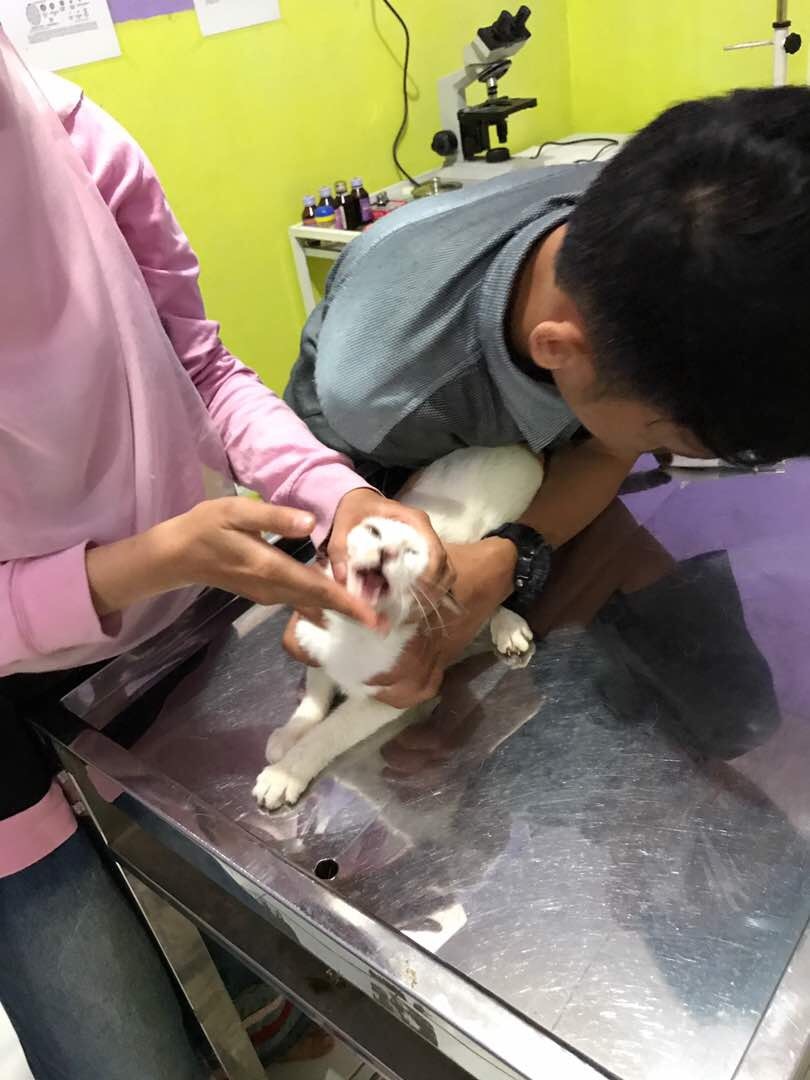
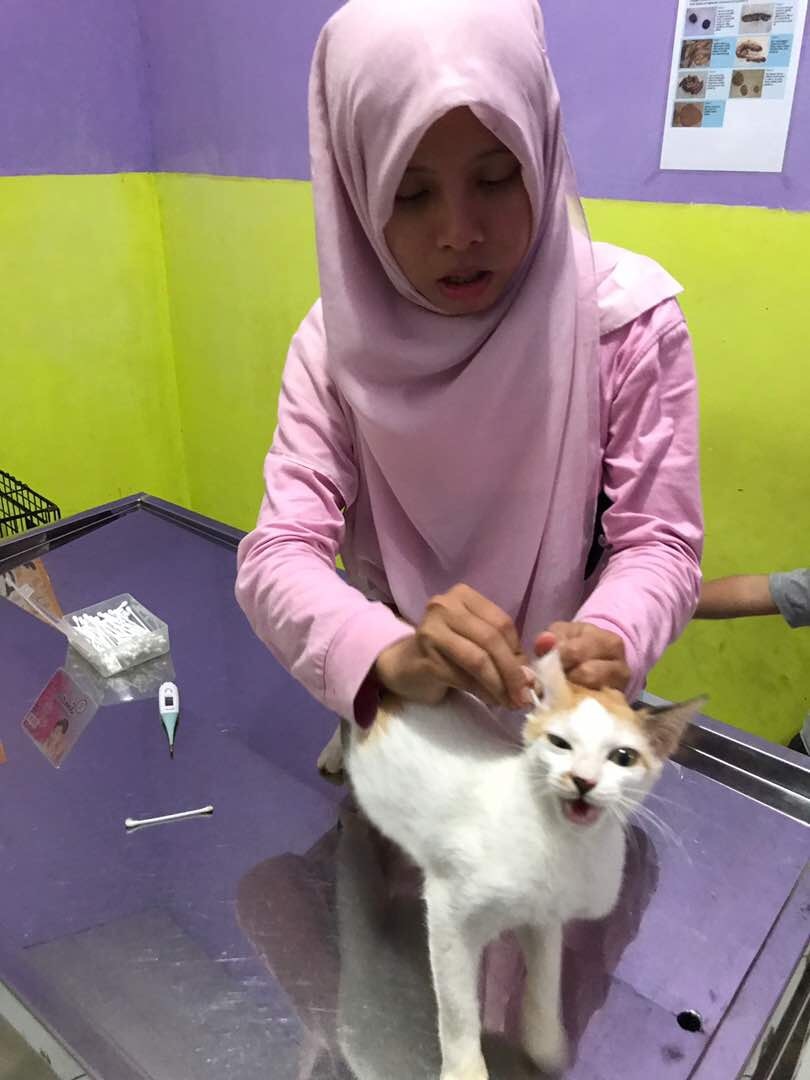
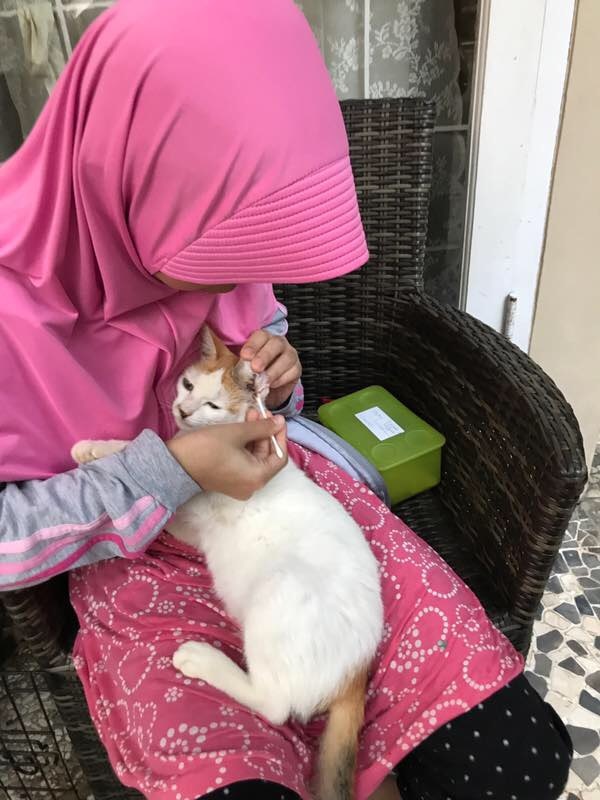
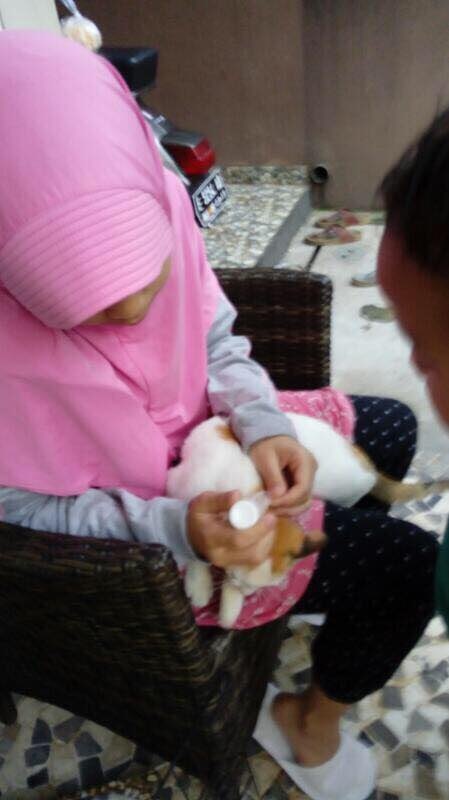
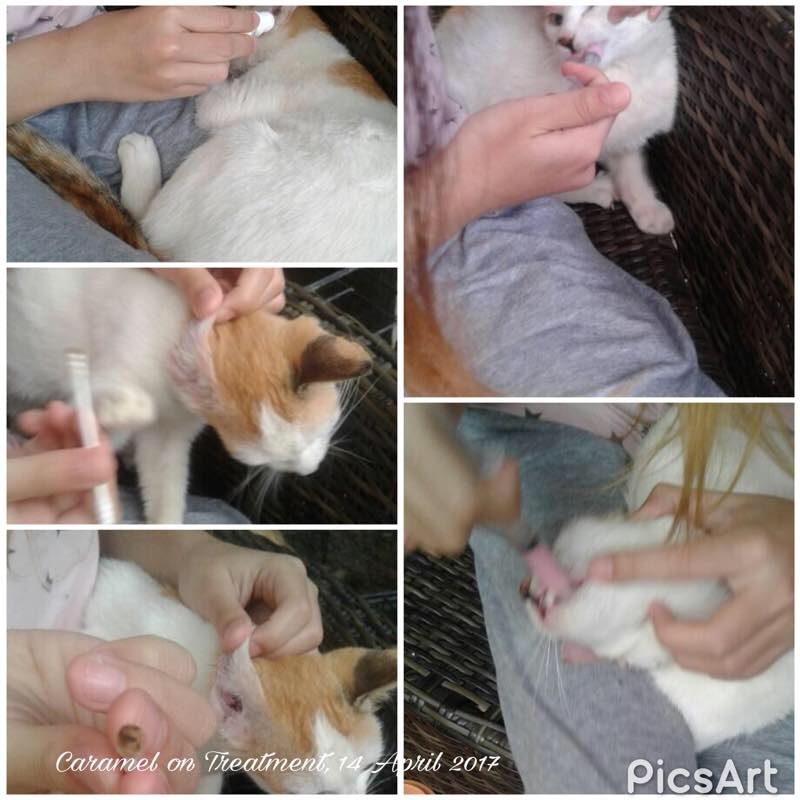
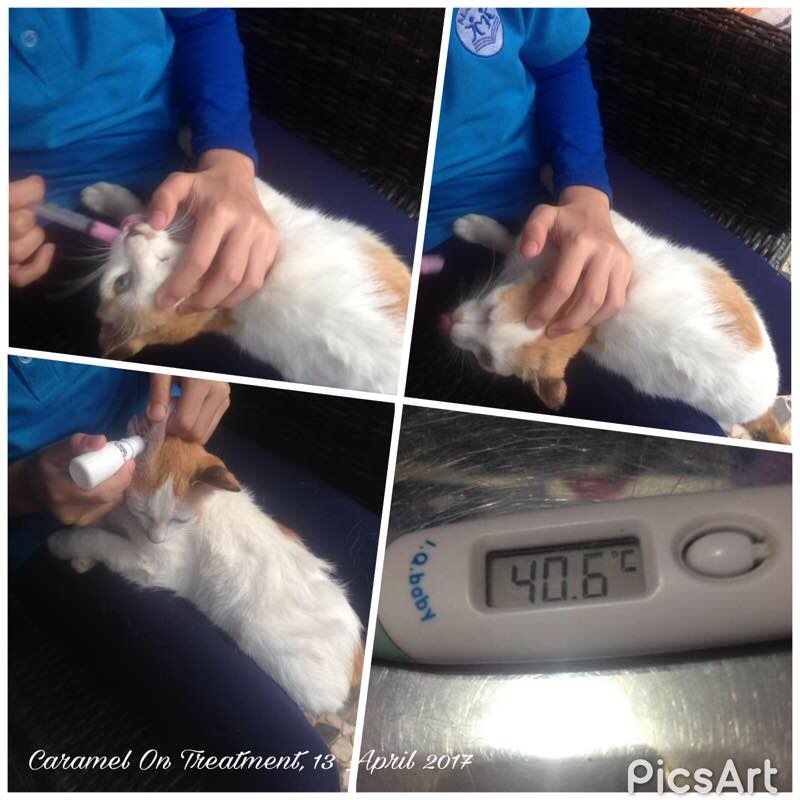
Then, the last cat that we caught was Caramel. She had lice and ear infection after the doctor check her condition. After being taking care by Caca and Praya, Caramel has cured from her ilness.
OUR ACTION
Solving problem in a variety of ways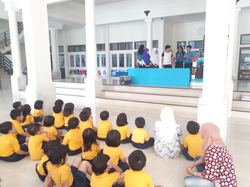
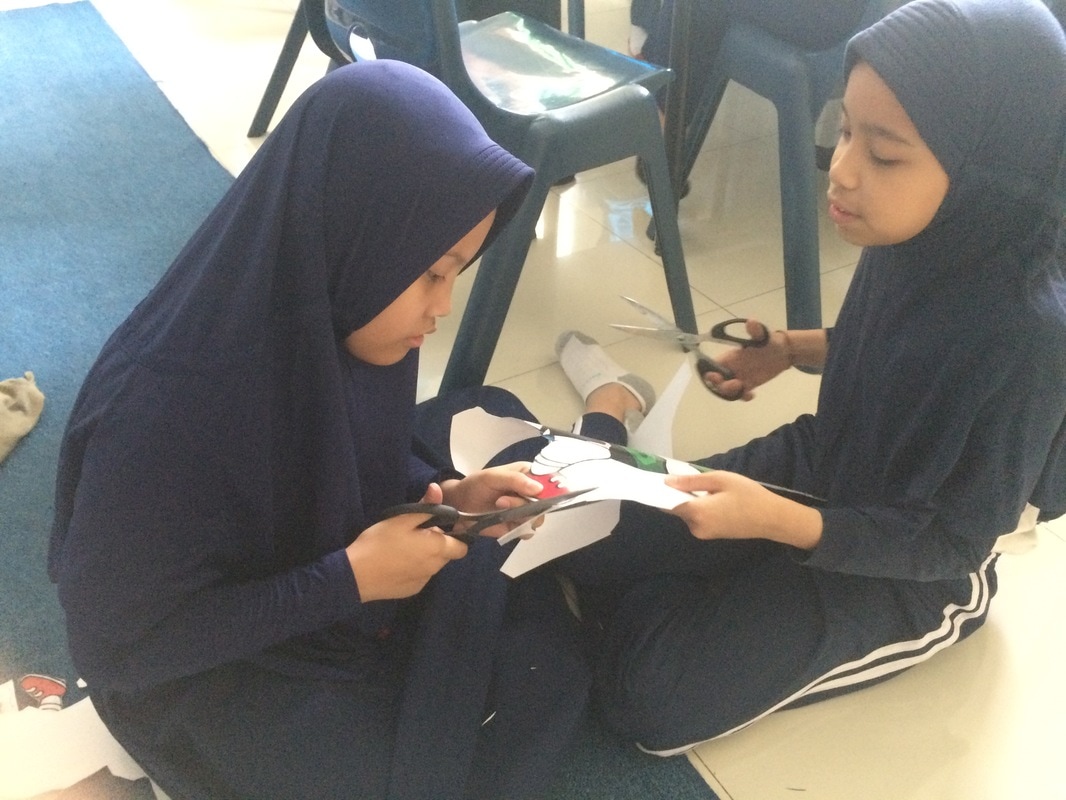
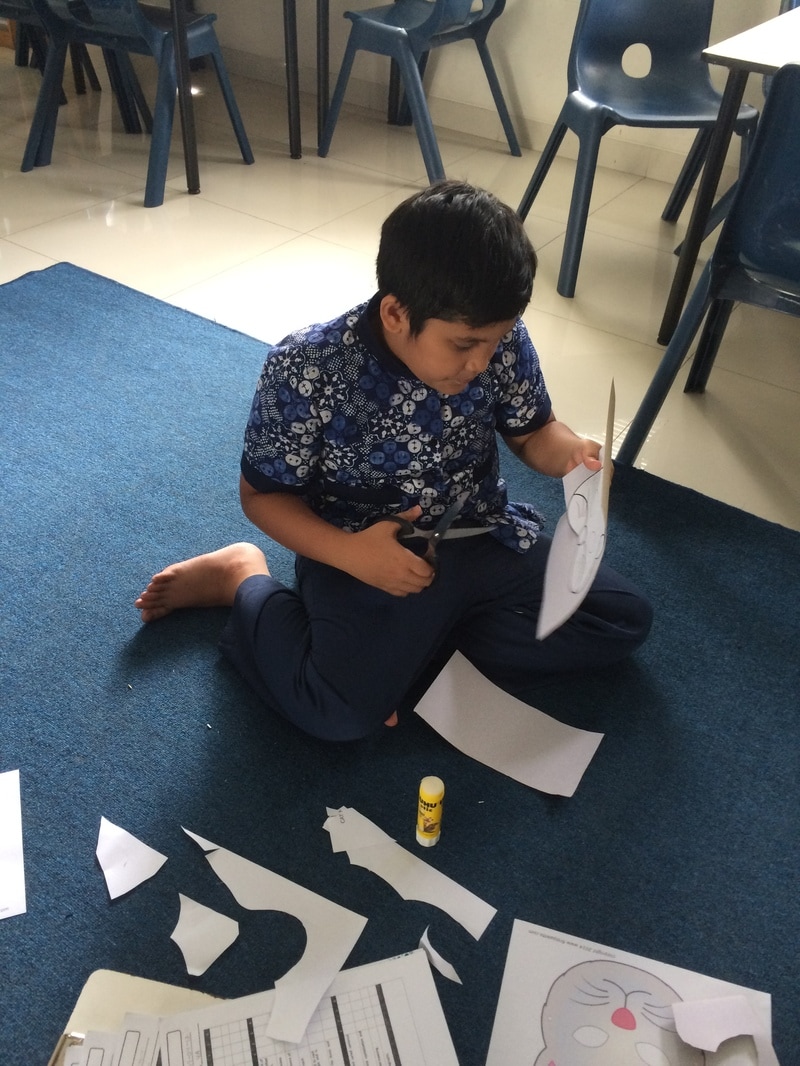
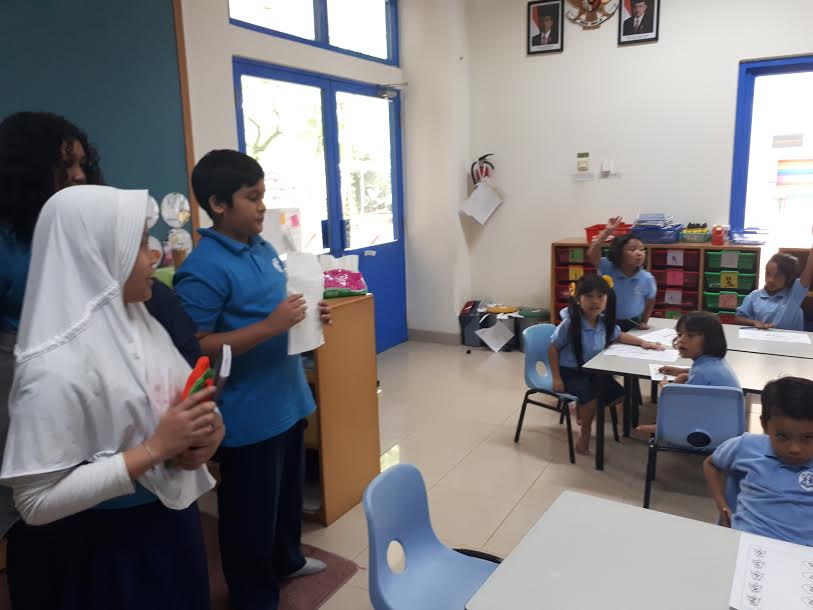
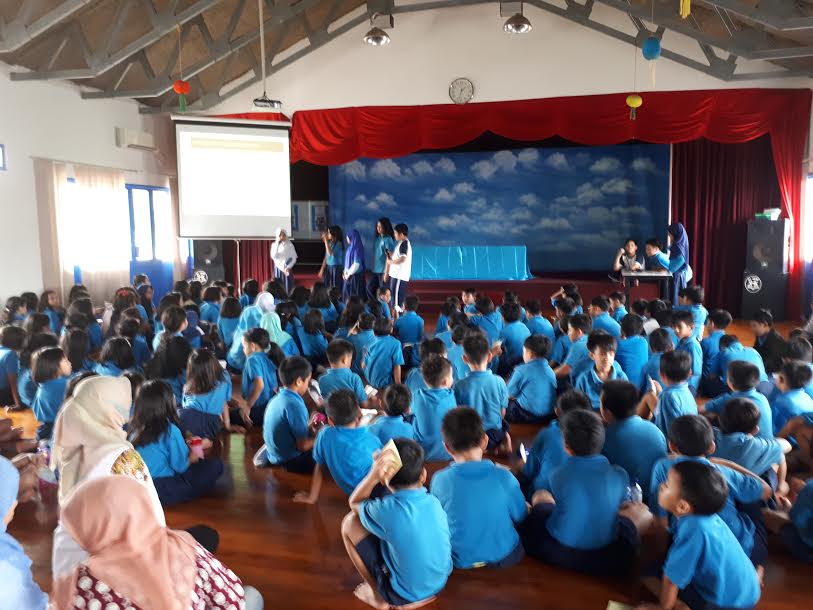
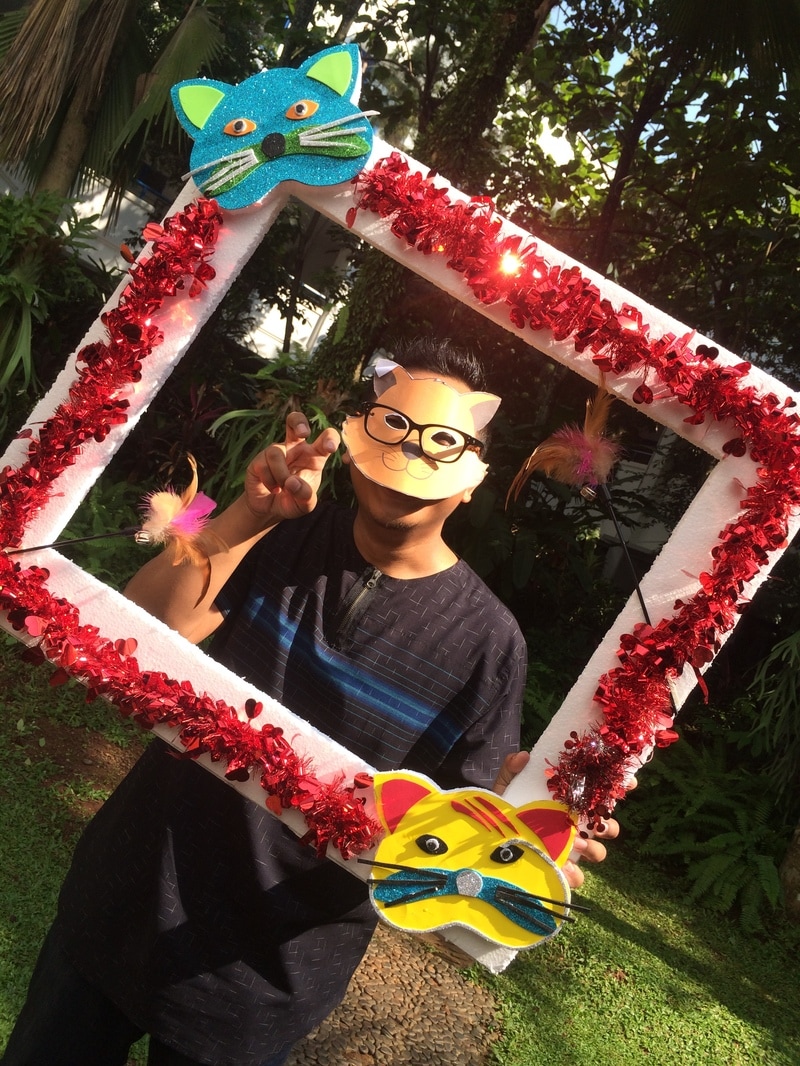
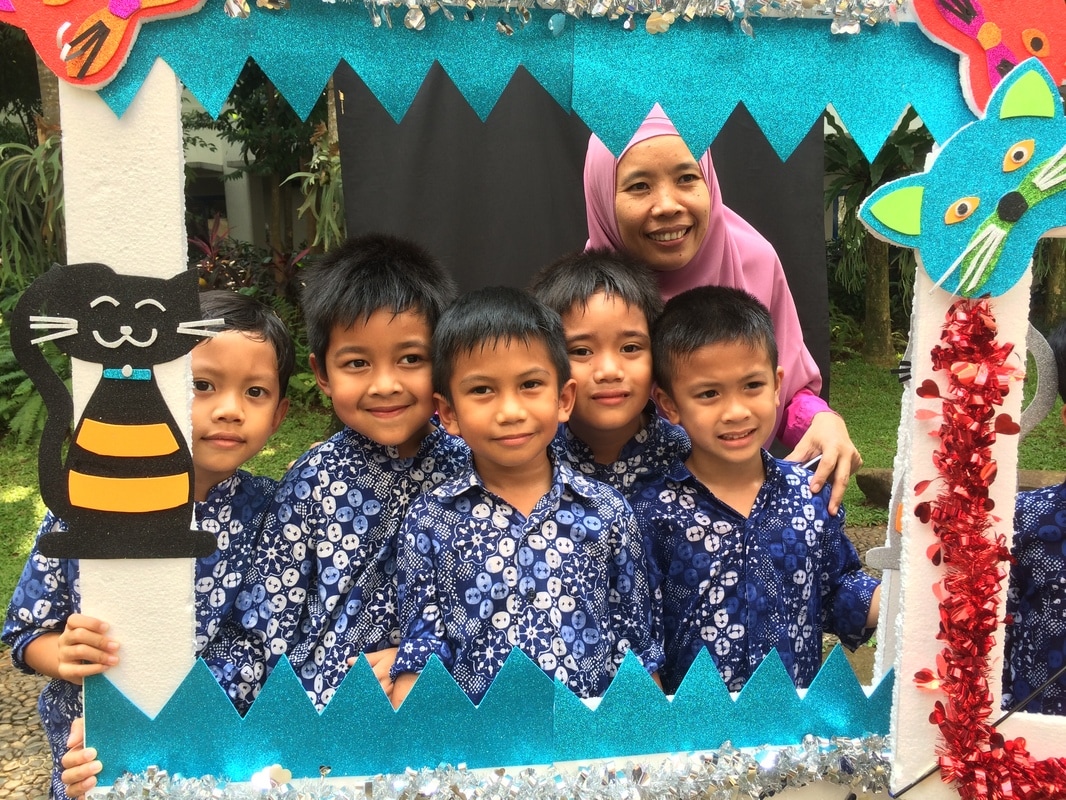
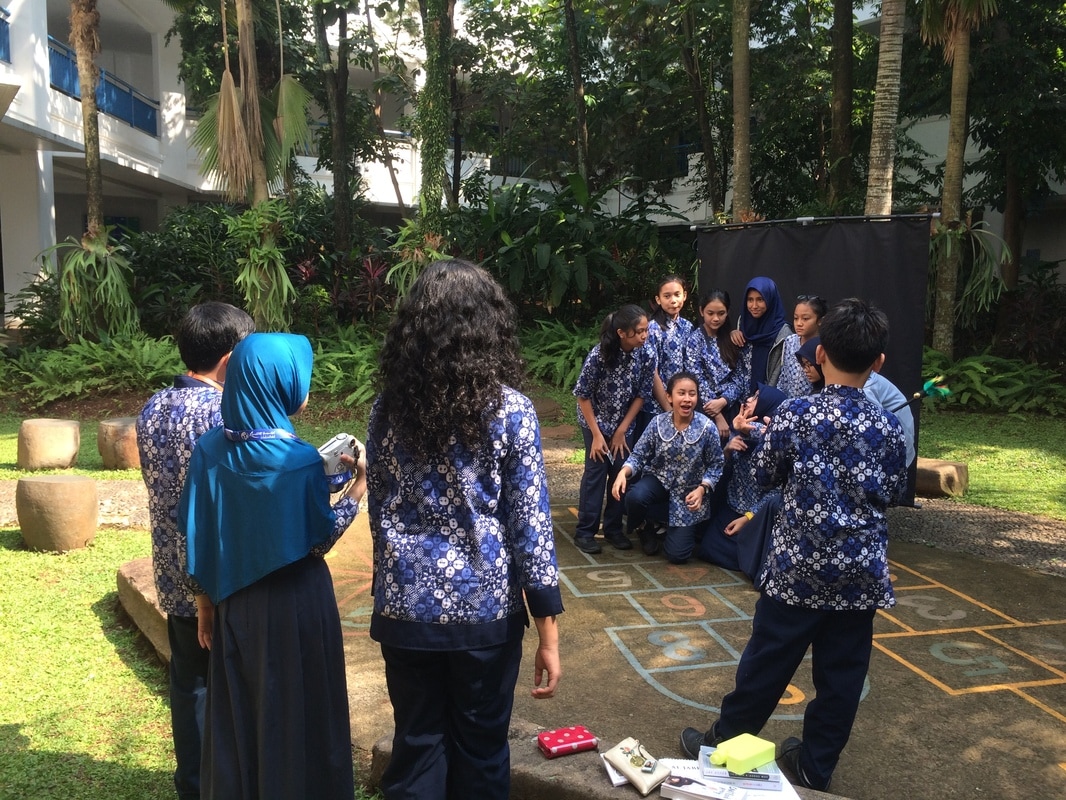
During our first action, we introduced our project to our School community which are Pre- K Students until Grade 4 Student we educate them through Puppet Show about " Cat Diseases". How to prevent this disease to Human and how to occur it. They were really enthusiast to see our Puppet Show. And gives us a lot of questions too.
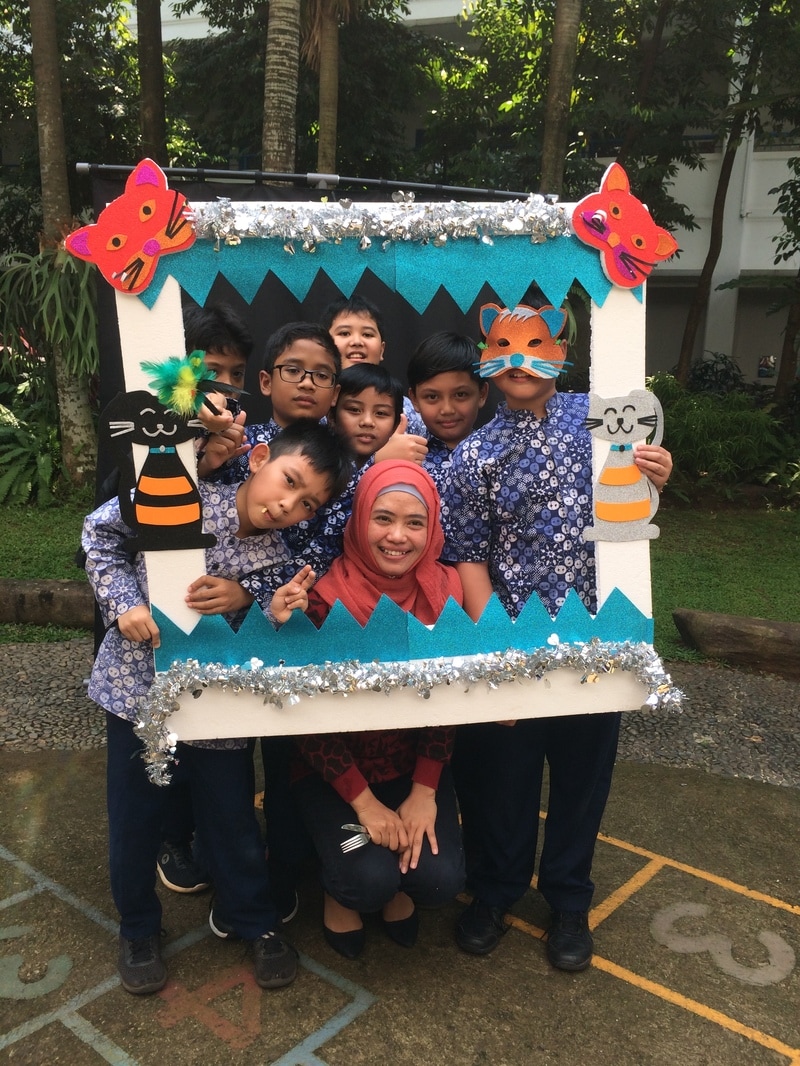
our photobooth
|
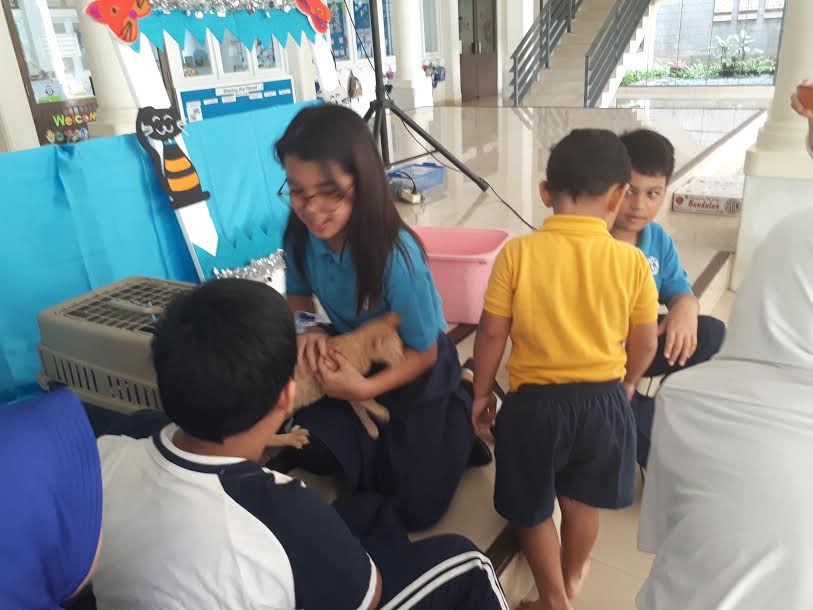
We also introduced our cat Memeng to them. Hopefully they can increase their sense of caring and their love through animals. So if they were playing with stray cats around Al-Jabr they wouldn't bully the cat anymore or give them any random food.

|
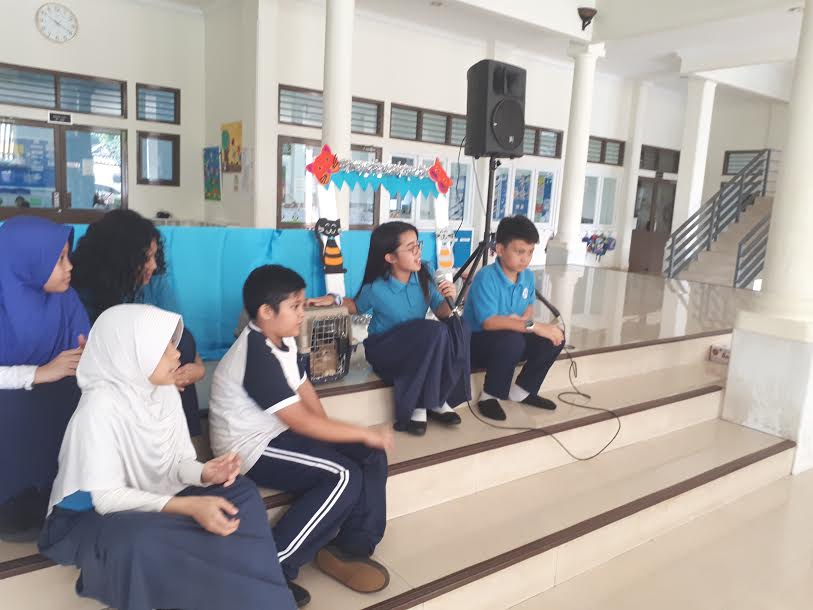
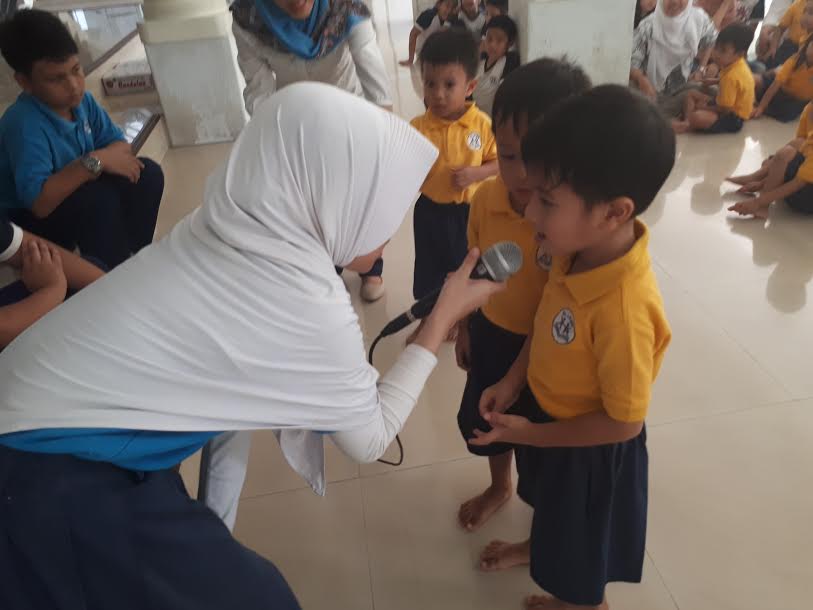
We also had a second seminar at 1 PM in Auditorium for PYP students from Grade 1 until grade 4. Its quiet bigger than the presentation before. For Upper students we gave them more quiz so it will be more exciting.

|
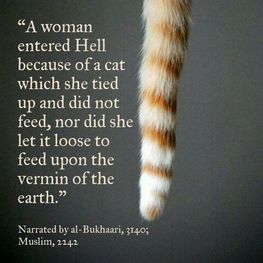
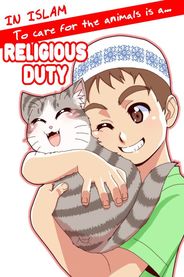
Moslem's quote 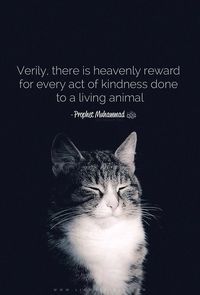
|

|
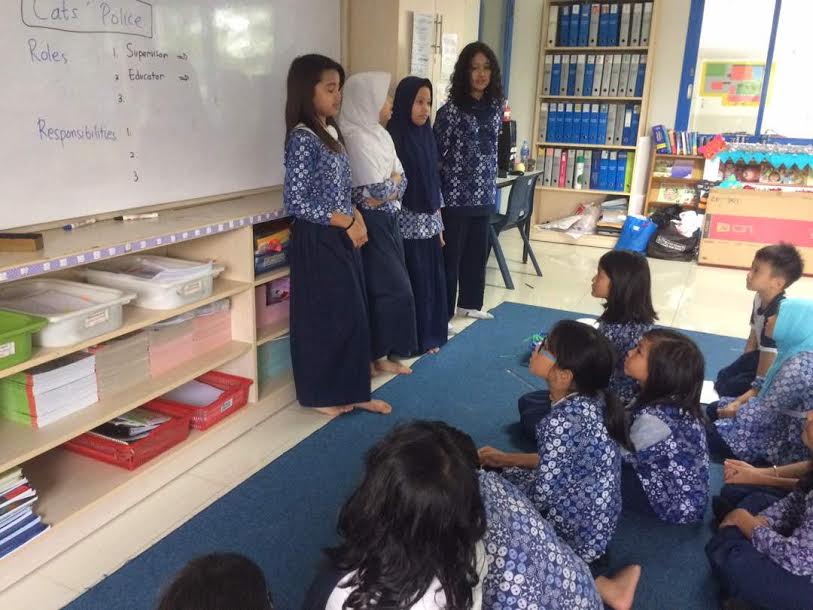
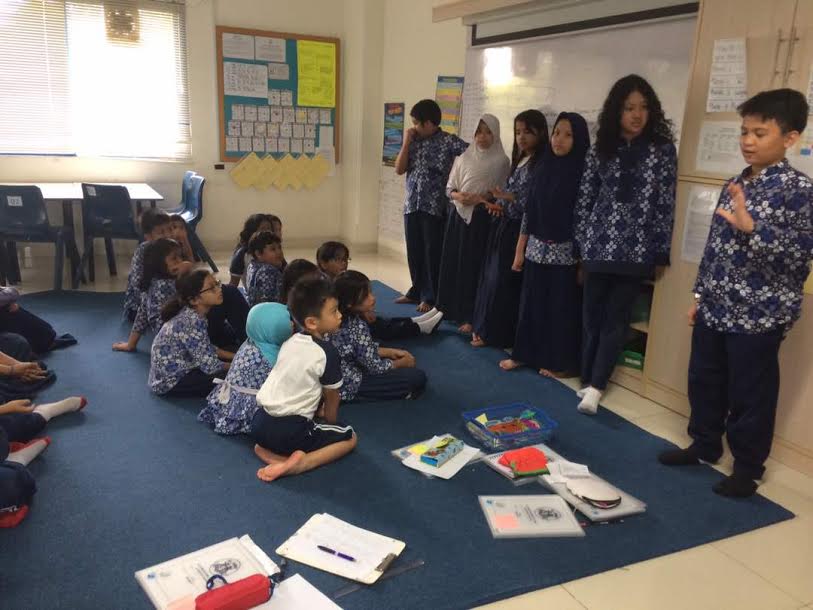
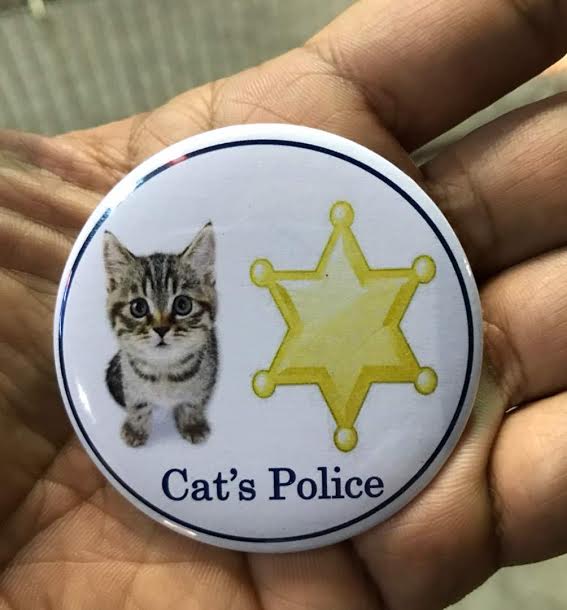
What is Cat's police? and what is the benefit to our School?
Cat's police is the supervisor that keeps the cats around the school area much safer to live better. The main Job of a Cat's police is to warn students in Al-Jabr who love to bully cats and give them improper food. |
cat's police in aljabr
|
|
|
|
