
THE ROLES OF SCHOOL IN MINIMIZING JUVENILE DELINQUENCY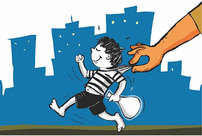
Juvenile delinquency is the participation by a minor child, usually between the ages of 10 and 17, in illegal behavior or activities. Juvenile delinquency is also used to refer to children who exhibit a persistent behavior of mischievousness or disobedience, so as to be considered out of parental control, becoming subject to legal action by the court system. Juvenile delinquency is also known as “juvenile offending,” and each state has a separate legal system in place to deal with juveniles who break the law. To explore this concept, consider the following juvenile delinquency definition
mENTOR
|

Ramzy |
Group Members
Keefa |
Rasya |
Laras |
Azetta |
Rheyna |
Central Idea |
"Government systems influence the lives of citizens"
Lines of Inquiry
Social study
- How government systems function
- How decision-making practices reflect human rights
- Impact of government on citizens
- The rights and responsibilities of citizenship
Learning Outcomes
- Recognize the elements of major political systems
- Examine the right of a person in a particular society affect their responsibility
- Identify and describe means by which citizens can monitor and influence actions of their government and vice versa
- Explore a range of political system
Key Concept : Causation, Responsibility and Reflection
Quran Verse
Quran Verses:
Al Baqarah ayat 219 : Mereka bertanya kepadamu tentang khamar dan judi. Katakanlah: "Pada keduanya terdapat dosa yang besar dan beberapa manfaat bagi manusia, tetapi dosa keduanya lebih besar dari manfaatnya". Dan mereka bertanya kepadamu apa yang mereka nafkahkan. Katakanlah: "Yang lebih dari keperluan". Demikianlah Allah menerangkan ayat-ayat-Nya kepadamu supaya kamu berfikir,
AL Hujurat ayat 11 : Hai orang-orang yang beriman, janganlah sekumpulan orang laki-laki merendahkan kumpulan yang lain, boleh jadi yang ditertawakan itu lebih baik dari mereka. Dan jangan pula sekumpulan perempuan merendahkan kumpulan lainnya, boleh jadi yang direndahkan itu lebih baik. Dan janganlah suka mencela dirimu sendiri dan jangan memanggil dengan gelaran yang mengandung ejekan. Seburuk-buruk panggilan adalah (panggilan) yang buruk sesudah iman dan barangsiapa yang tidak bertobat, maka mereka itulah orang-orang yang zalim
Al Baqarah ayat 219 : Mereka bertanya kepadamu tentang khamar dan judi. Katakanlah: "Pada keduanya terdapat dosa yang besar dan beberapa manfaat bagi manusia, tetapi dosa keduanya lebih besar dari manfaatnya". Dan mereka bertanya kepadamu apa yang mereka nafkahkan. Katakanlah: "Yang lebih dari keperluan". Demikianlah Allah menerangkan ayat-ayat-Nya kepadamu supaya kamu berfikir,
AL Hujurat ayat 11 : Hai orang-orang yang beriman, janganlah sekumpulan orang laki-laki merendahkan kumpulan yang lain, boleh jadi yang ditertawakan itu lebih baik dari mereka. Dan jangan pula sekumpulan perempuan merendahkan kumpulan lainnya, boleh jadi yang direndahkan itu lebih baik. Dan janganlah suka mencela dirimu sendiri dan jangan memanggil dengan gelaran yang mengandung ejekan. Seburuk-buruk panggilan adalah (panggilan) yang buruk sesudah iman dan barangsiapa yang tidak bertobat, maka mereka itulah orang-orang yang zalim
What is Juvenile Delinquency
Juvenile delinquency is anti-social, a menace to the people’s welfare, different from what is normal action, and which serves as outlet of an instinctive urge. The common forms of juvenile delinquency are disobedience, harm to persons and theft.
Some of the causes of juvenile delinquency are idleness which leads to mischief, lack of affection and sense of belonging, rejection, broken family, poverty, gang member, emotional deprivation that makes him feel that if nobody cares for him, frustration wherein the resulting disappointment is vented against society etc.
Some of the causes of juvenile delinquency are idleness which leads to mischief, lack of affection and sense of belonging, rejection, broken family, poverty, gang member, emotional deprivation that makes him feel that if nobody cares for him, frustration wherein the resulting disappointment is vented against society etc.
FIRST MEETING ( ALL MENTORS, GROUP MEMBER AND PARENTS )
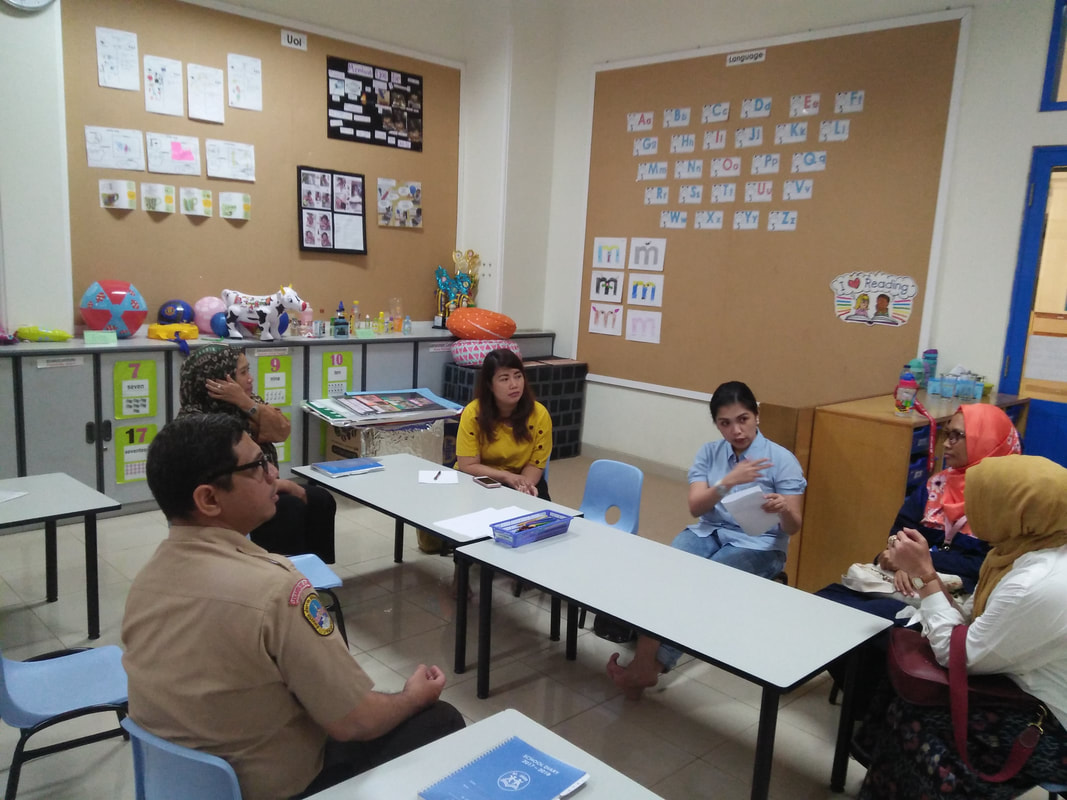
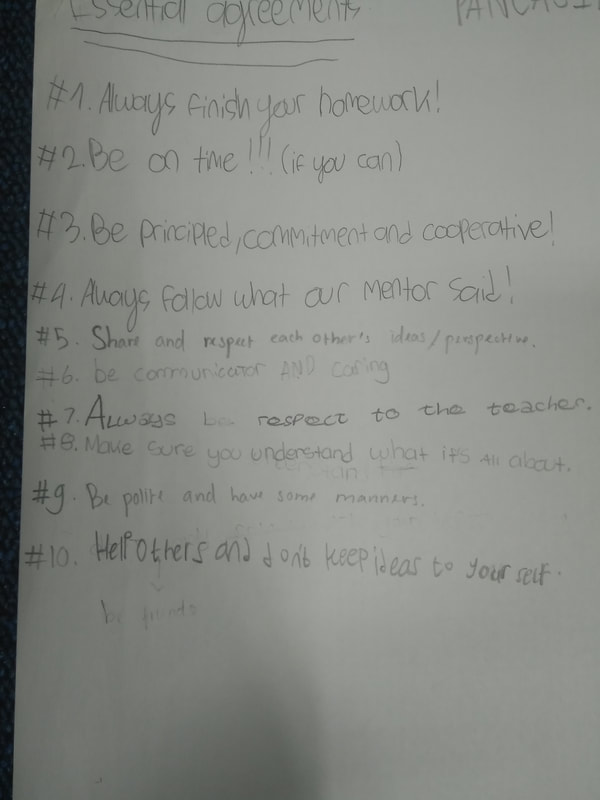
In the first meeting all mentors, parents and grade 5 students sit together to discuss about the objectives and the purpose of this exhibition. Together we gathered to fill the essential agreements, explain the roles of mentors, roles of students and roles of parents. We also discuss the exhibition time table , parents support for this project and line of communication. We receive many feedback and advise from parents for this project.
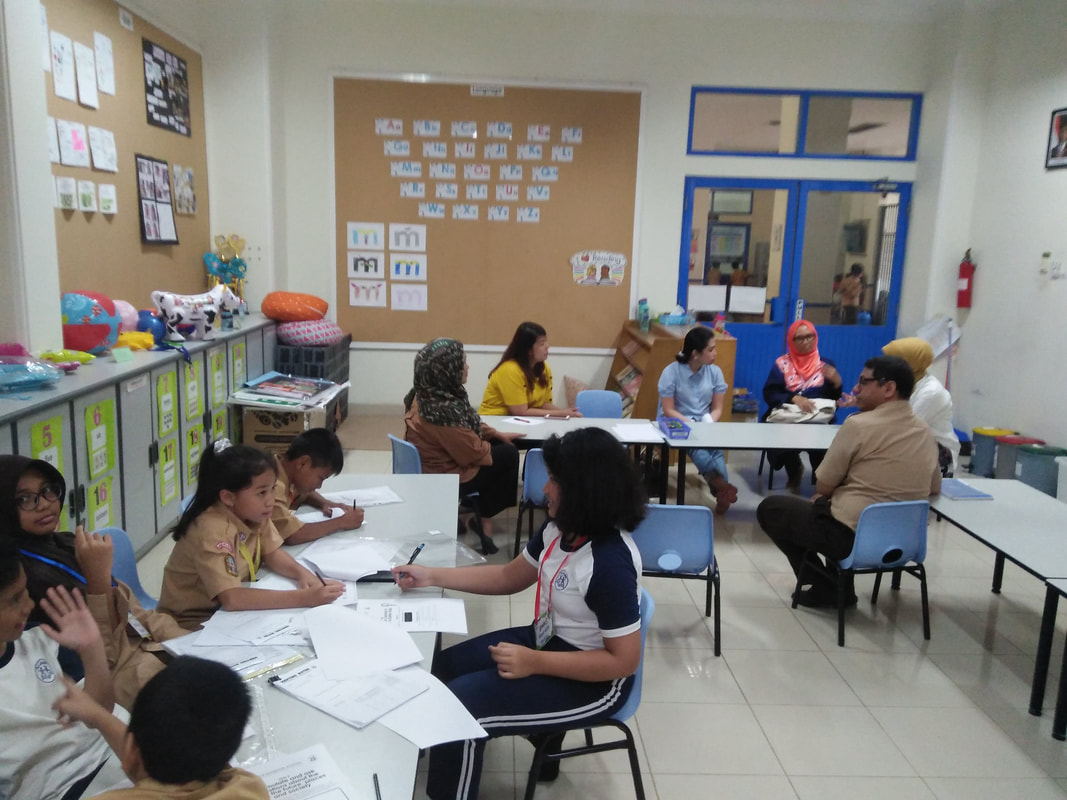
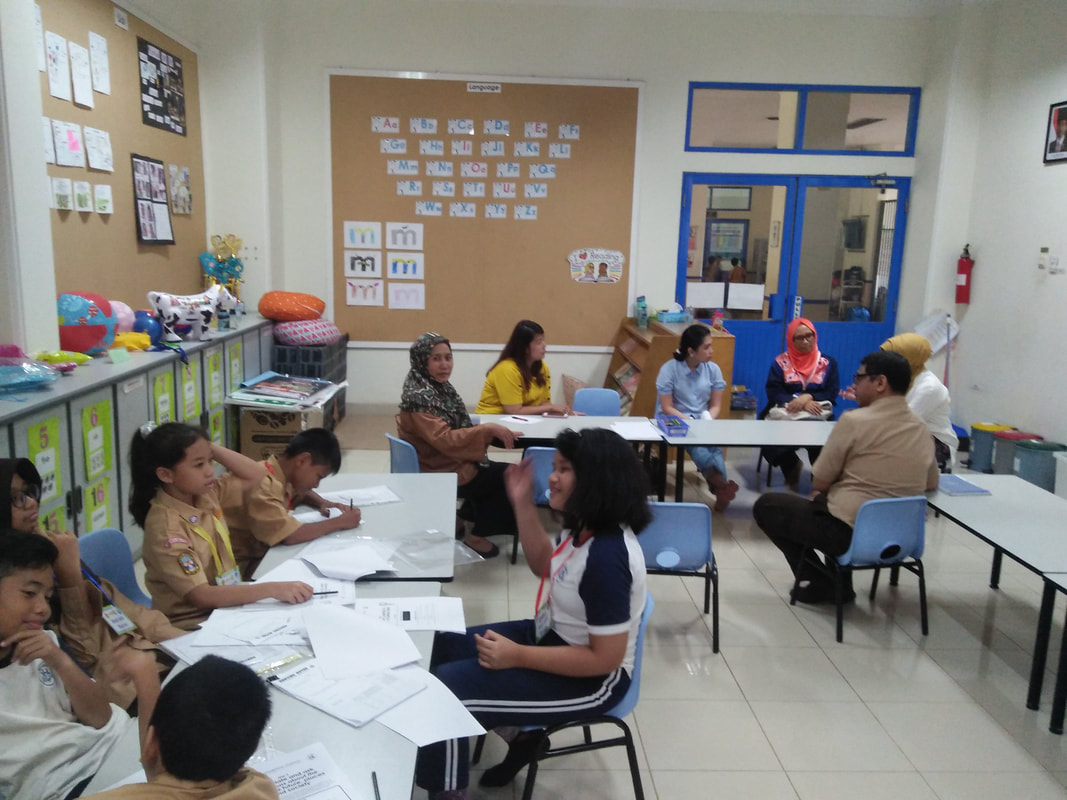
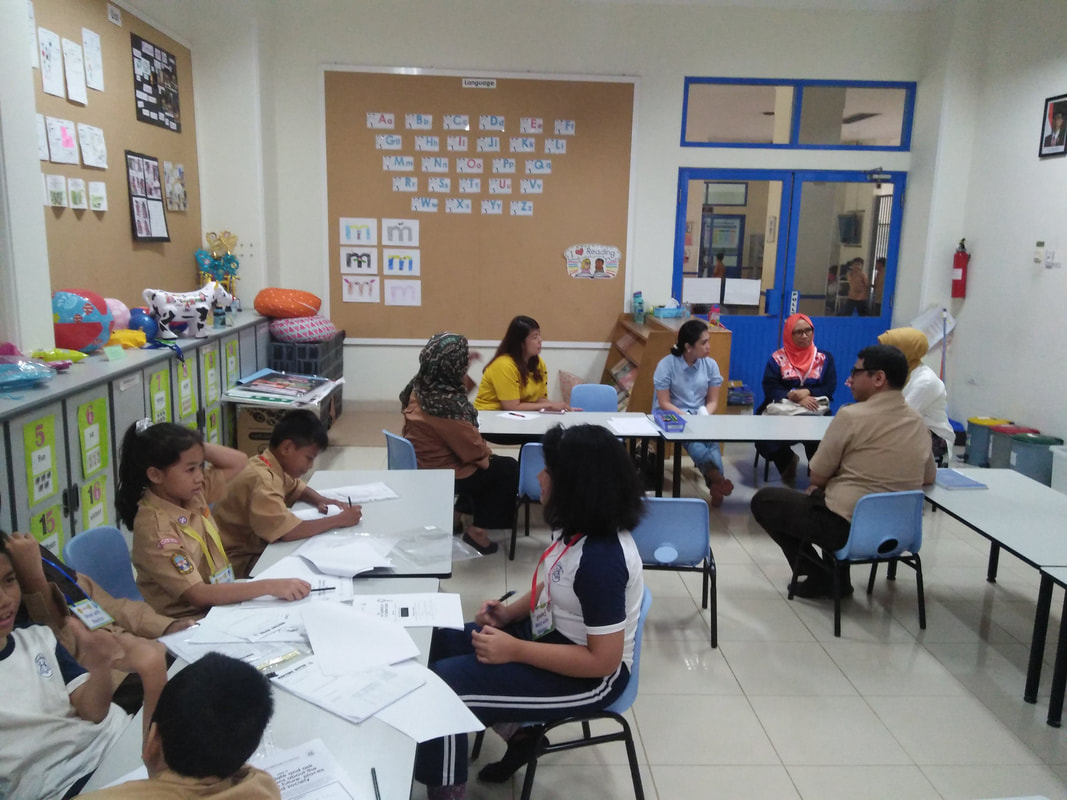
exploring , wondering, questioning
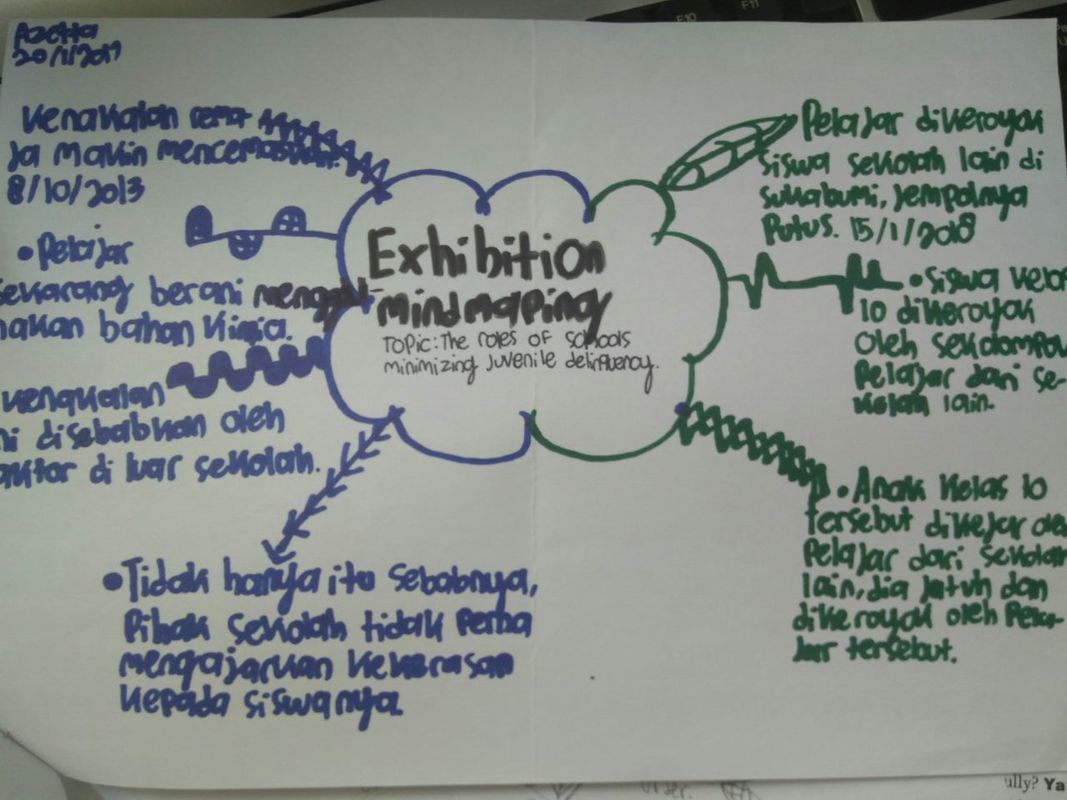
The first week of our mentor meeting, we discuss about our topic. We did mind mapping and also we brainstormed and gather several question about the topic. Some of the question are :
1. What is Juvenile delinquency ? 2. Kinds of Juvenile delinquency 3. What is the causes of juvenile delinquency ? 4. Where can juvenile delinquency happen ? 5. Who could be the victim of juvenile delinquency? 6. Who is involved in juvenile delinquency |
|
RESEARCHING and seeking information
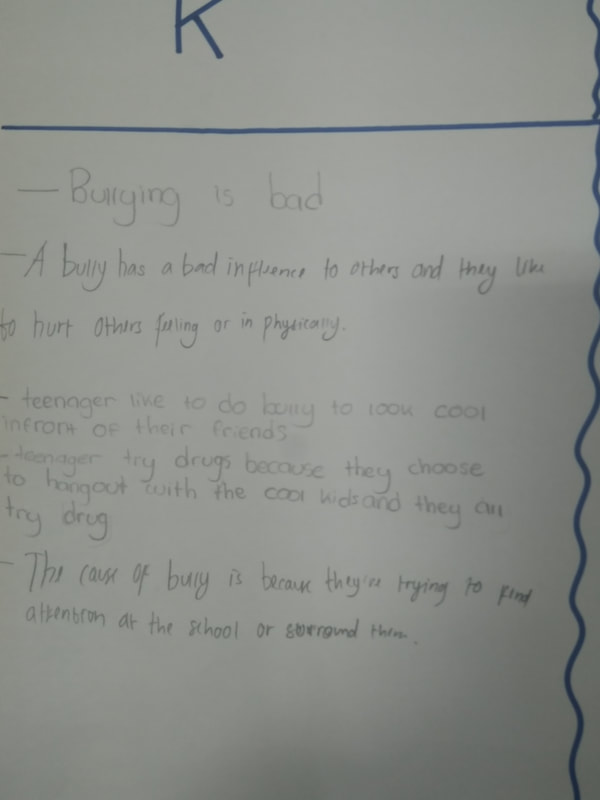
To deepen understanding about the topic, we find out our primary resources. We seek information from the several articles, magazine and our parents. After we find the information, we discuss what is the most common Juvenile delinquency happen in school and environment. We decide choose two Juvenile Delinquency that often happens in school and environment :
1. Bullying
2. the use of drugs by teenager
We also discuss where do we want to go, to get more information about Juvenile delinquency, and the expert can answer our question about Juvenile Delinquency.
1. Bullying
2. the use of drugs by teenager
We also discuss where do we want to go, to get more information about Juvenile delinquency, and the expert can answer our question about Juvenile Delinquency.
collecting data and reporting finding
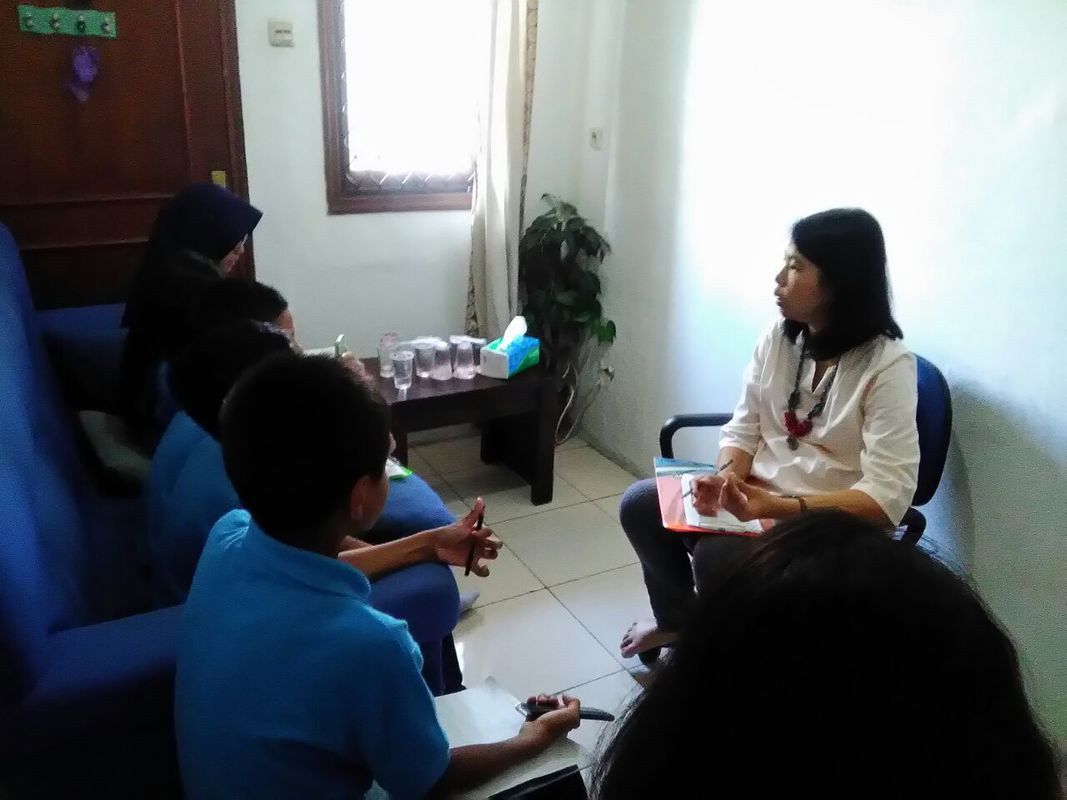
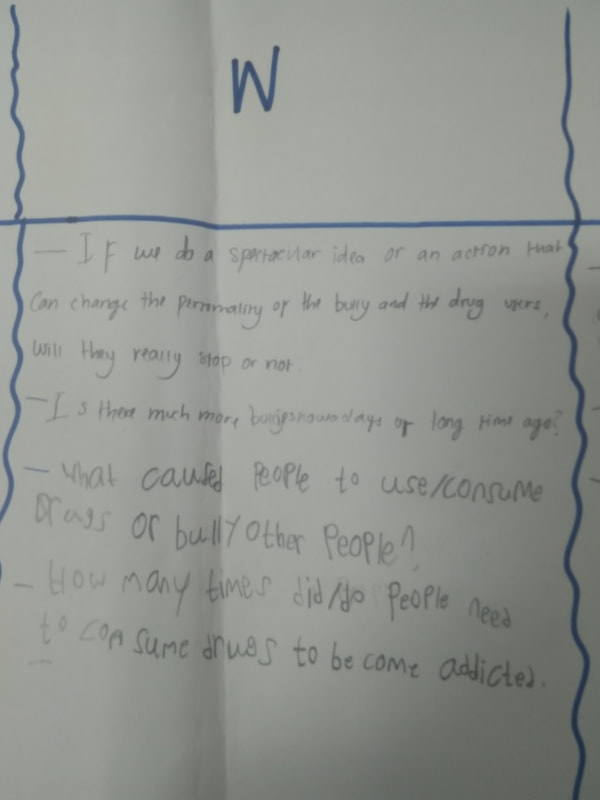
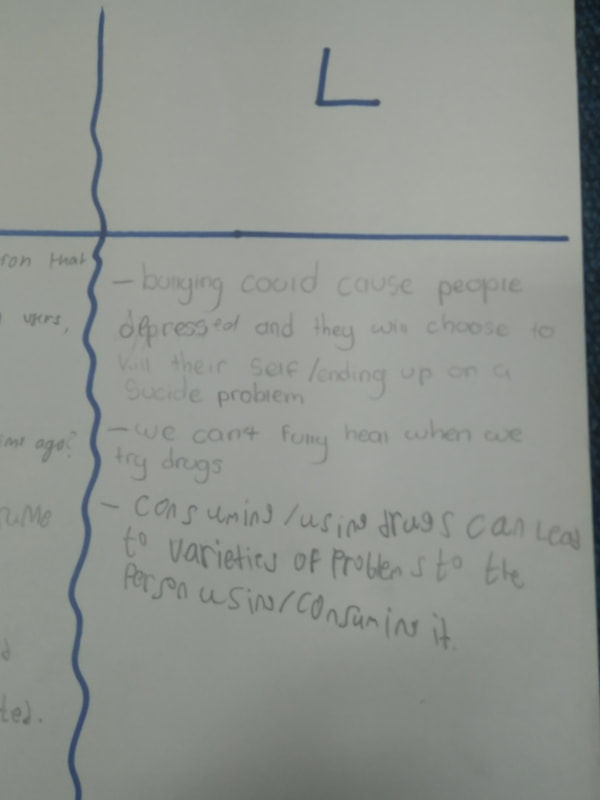
To gain more information about Bullying and drugs, we plant to :
1. We went to Yayasan Pulih at Pasar Minggu
the purpose of our fieldtrip
1. We went to Yayasan Pulih at Pasar Minggu
the purpose of our fieldtrip
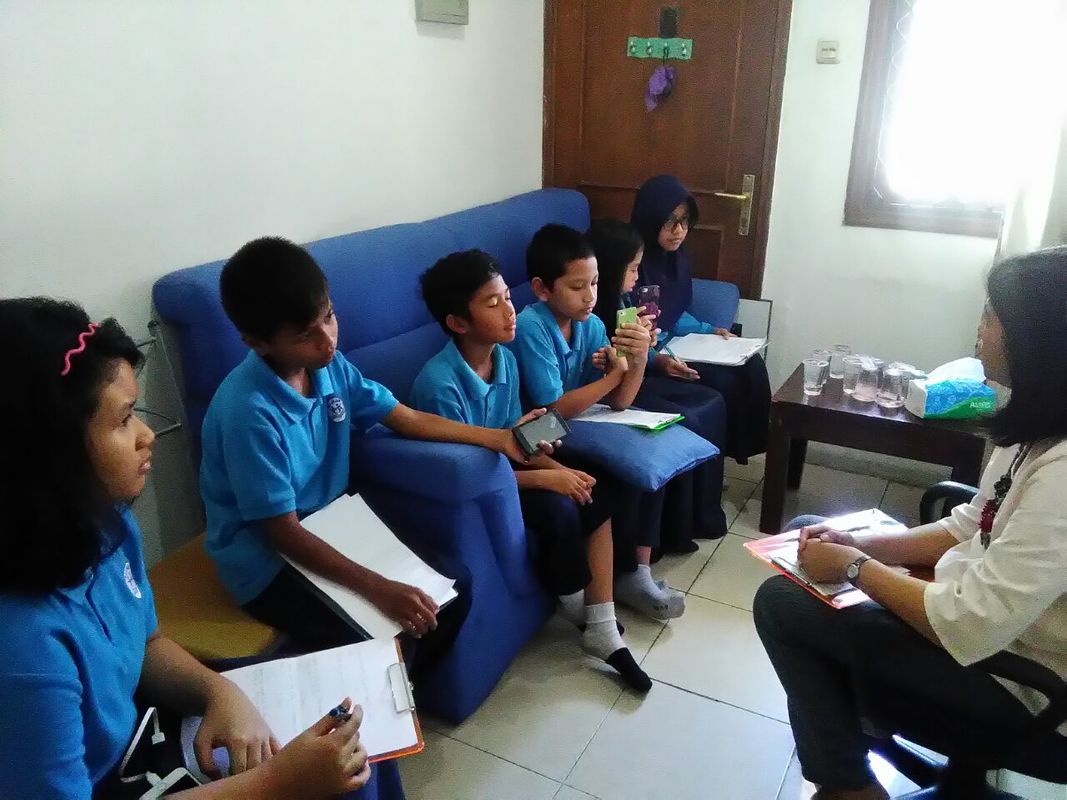
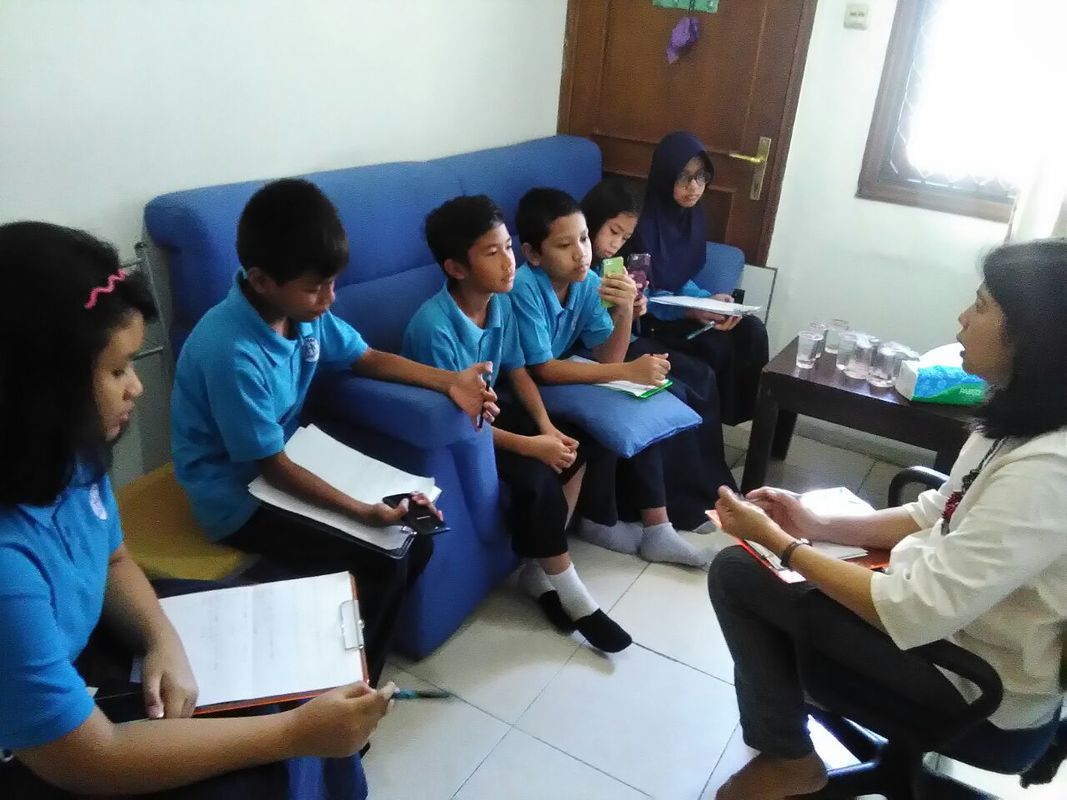
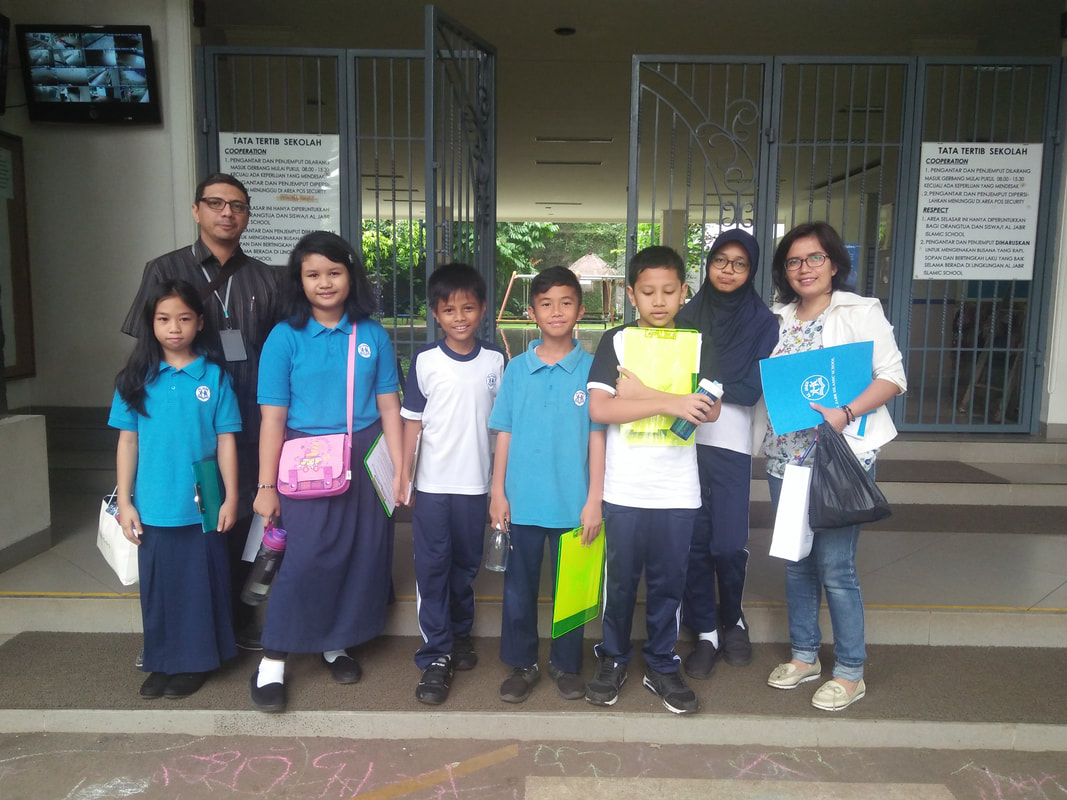
2. We interview Miss Kartika Desy as Principal of Al jabr Islamic School
The questions :
1. Apa yang Miss Desi lakukan jika terjadi bully atau narkoba di sekolah?
- Ms Desi :Sebagai Kepala sekolah saya akan mengumpulkan data, menanyakan korban, pelaku dan saksi. Saya juga akan cek CCTV jika diperlukan akan meminta bantuann counselor
2. Apa reaksi Miss Desi jika ad a yang melakukan bully dan narkoba di sekolah ?
- Miss Desi : Pertama saya istigfar dan reflection kemudian akan panggil Orang yang membully dan yang di bully, kemudian saya akan kroscek masalahnya, jika diperlukan akan dipanggil orang tuanya, dan akan dilakukan penanganan yang berbeda sesuai dengan permasalahannya. Selalu berpikir jernih dan netral.
3. Bagaimana sekolah mengatasi masalah bully dan narkoba ?
- Miss Desi : Sekolah mempunya Tata tertib sekolah mengenai bully dan narkoba , itu terdapat di dalam school diary hal. 12- 14. Untuk bully alkan dilihat batas bully nya apabila menyakiti pihak lain maka orang tua akan dipanggil. Al jabr juga punya legal- pengacara. Juga akan berkolaborasi dengan Pembina Al jabr dan Kemendikbud.
4. Menurut Miss Desi apakah sulit menangani anak-anak yang nakal ?
- Miss Desi : Sebenarnya tidak sulit untuk menangani anak-anak yang bermasalah. Kita harus deteksi permasalahannya. Pertama karena masa peralihan umurr, karena faktor keluarga, faktor lingkungan kalau di sekolah mungkin gurunya lalai. Jadi memang harus dicari dulu sebab dan akibatnya.
5. Apakah seharusnya anak-anak yang bermasalah itu di keluarkan Miss Desi ?
- Miss Desi : Sebenarnya dilihat dulu kasusnya. Karena penangannya akan beda-beda. Kalau di aljabr jika kami memang tidak bisa menangani maka kami akan mencoba berdiskusi dengan diknas wilayah jakarta selatan, jika diperlukan kami meminta bantuan psikolog, polisi atau pihak-pihak yang bisa menangani masalahnya. Dan jika kasusnya memang berat akan dikeluarkan. Karena semua perbuatan harus ada konsekuensinya.
1. Apa yang Miss Desi lakukan jika terjadi bully atau narkoba di sekolah?
- Ms Desi :Sebagai Kepala sekolah saya akan mengumpulkan data, menanyakan korban, pelaku dan saksi. Saya juga akan cek CCTV jika diperlukan akan meminta bantuann counselor
2. Apa reaksi Miss Desi jika ad a yang melakukan bully dan narkoba di sekolah ?
- Miss Desi : Pertama saya istigfar dan reflection kemudian akan panggil Orang yang membully dan yang di bully, kemudian saya akan kroscek masalahnya, jika diperlukan akan dipanggil orang tuanya, dan akan dilakukan penanganan yang berbeda sesuai dengan permasalahannya. Selalu berpikir jernih dan netral.
3. Bagaimana sekolah mengatasi masalah bully dan narkoba ?
- Miss Desi : Sekolah mempunya Tata tertib sekolah mengenai bully dan narkoba , itu terdapat di dalam school diary hal. 12- 14. Untuk bully alkan dilihat batas bully nya apabila menyakiti pihak lain maka orang tua akan dipanggil. Al jabr juga punya legal- pengacara. Juga akan berkolaborasi dengan Pembina Al jabr dan Kemendikbud.
4. Menurut Miss Desi apakah sulit menangani anak-anak yang nakal ?
- Miss Desi : Sebenarnya tidak sulit untuk menangani anak-anak yang bermasalah. Kita harus deteksi permasalahannya. Pertama karena masa peralihan umurr, karena faktor keluarga, faktor lingkungan kalau di sekolah mungkin gurunya lalai. Jadi memang harus dicari dulu sebab dan akibatnya.
5. Apakah seharusnya anak-anak yang bermasalah itu di keluarkan Miss Desi ?
- Miss Desi : Sebenarnya dilihat dulu kasusnya. Karena penangannya akan beda-beda. Kalau di aljabr jika kami memang tidak bisa menangani maka kami akan mencoba berdiskusi dengan diknas wilayah jakarta selatan, jika diperlukan kami meminta bantuan psikolog, polisi atau pihak-pihak yang bisa menangani masalahnya. Dan jika kasusnya memang berat akan dikeluarkan. Karena semua perbuatan harus ada konsekuensinya.
3. Questionaire
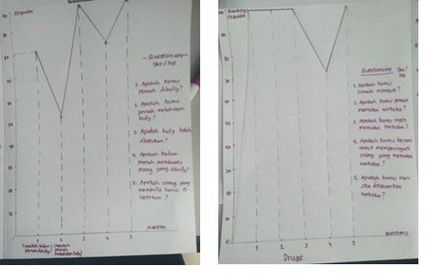
We distributed questionnaire to Al jabr students, to know their opinion and their knowledge about bullying and drugs. The conclusion most of the Al jabr students understand the impact of Bullying and drugs for them.
4. Guest Speaker
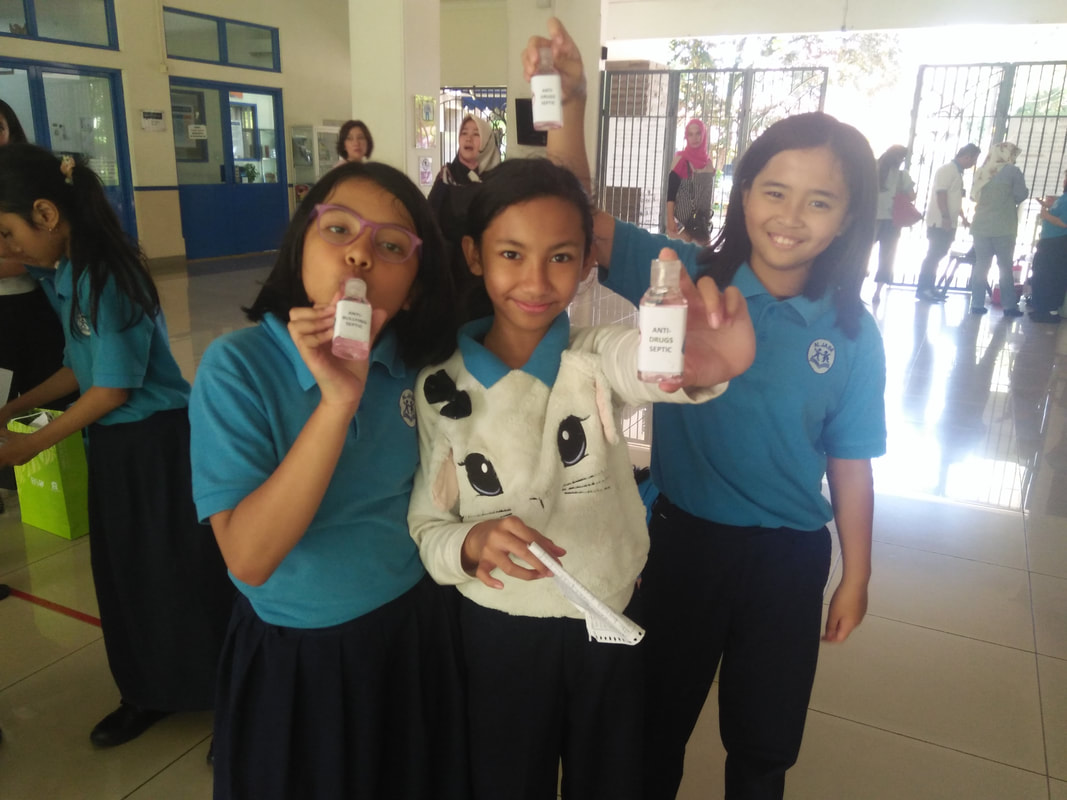
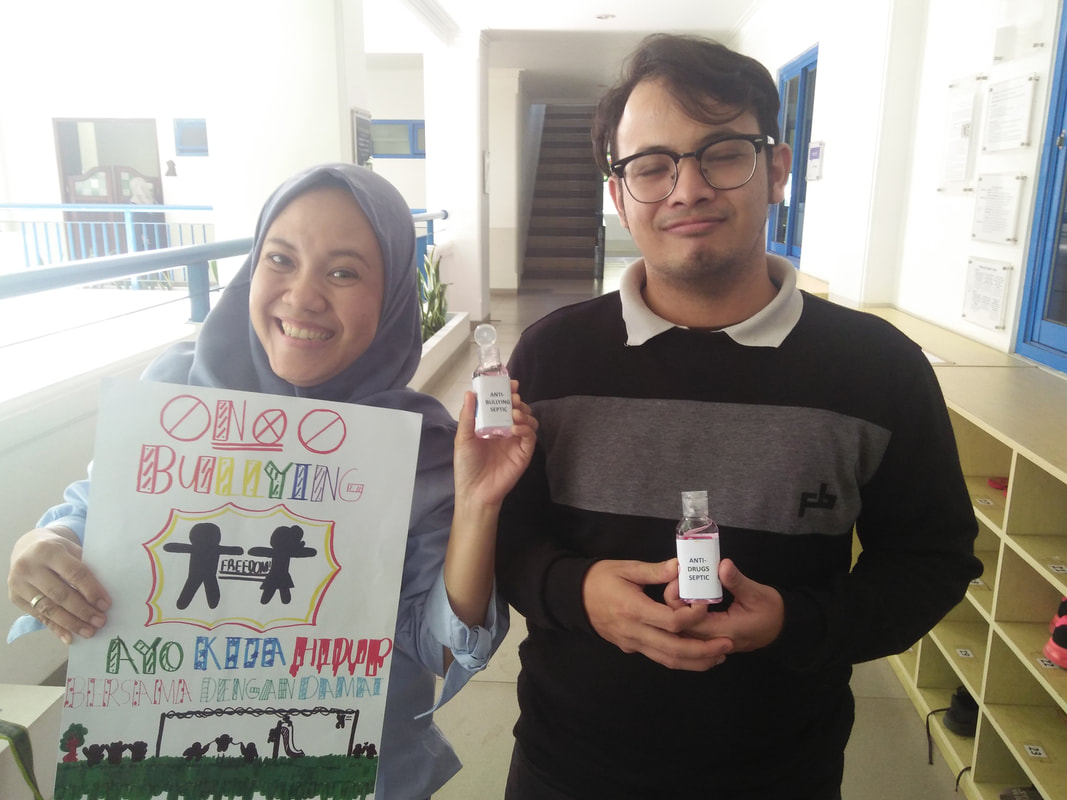
We invite BNN to sharing knowledge about drugs.
We invite BNN to sharing knowledge about drugs.
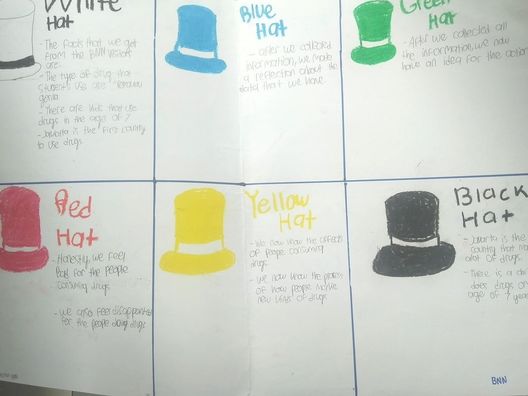
We invite BNN as our guest speaker. Their explain about the impact of drugs for our life and our future. During this activity most of audience looks very enthusiasm, they ask a lot of question about drugs.
Miss Lucky as the speaker from BNN explain about kinds of drugs , users and also explain the impact of drugs to our brain. From this activity, we get important information about drugs.
" Stay healthy , NO Drugs"
Miss Lucky as the speaker from BNN explain about kinds of drugs , users and also explain the impact of drugs to our brain. From this activity, we get important information about drugs.
" Stay healthy , NO Drugs"
Experimenting and playing possibilities
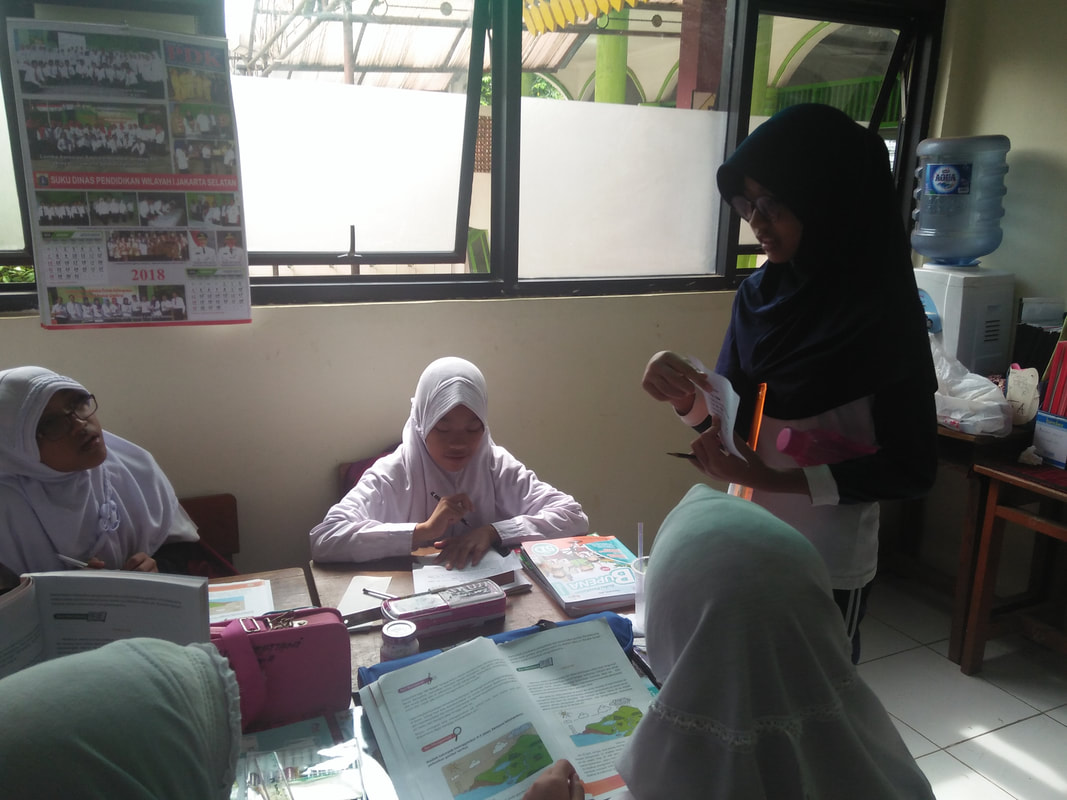
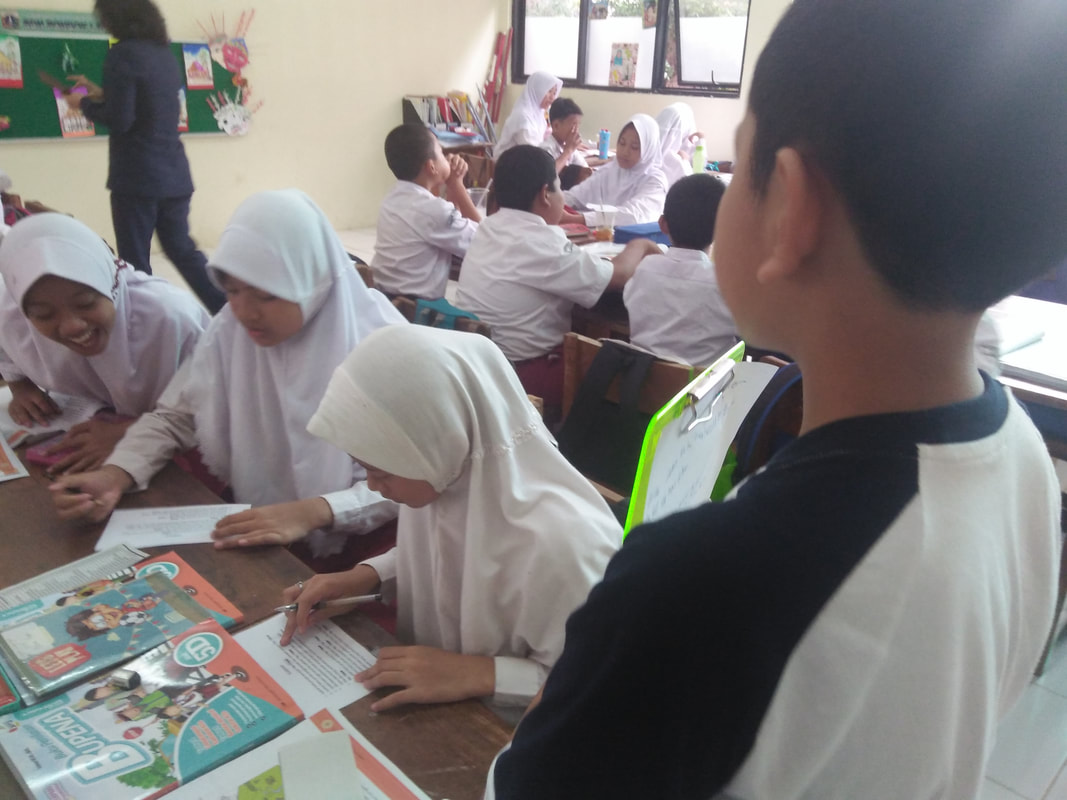
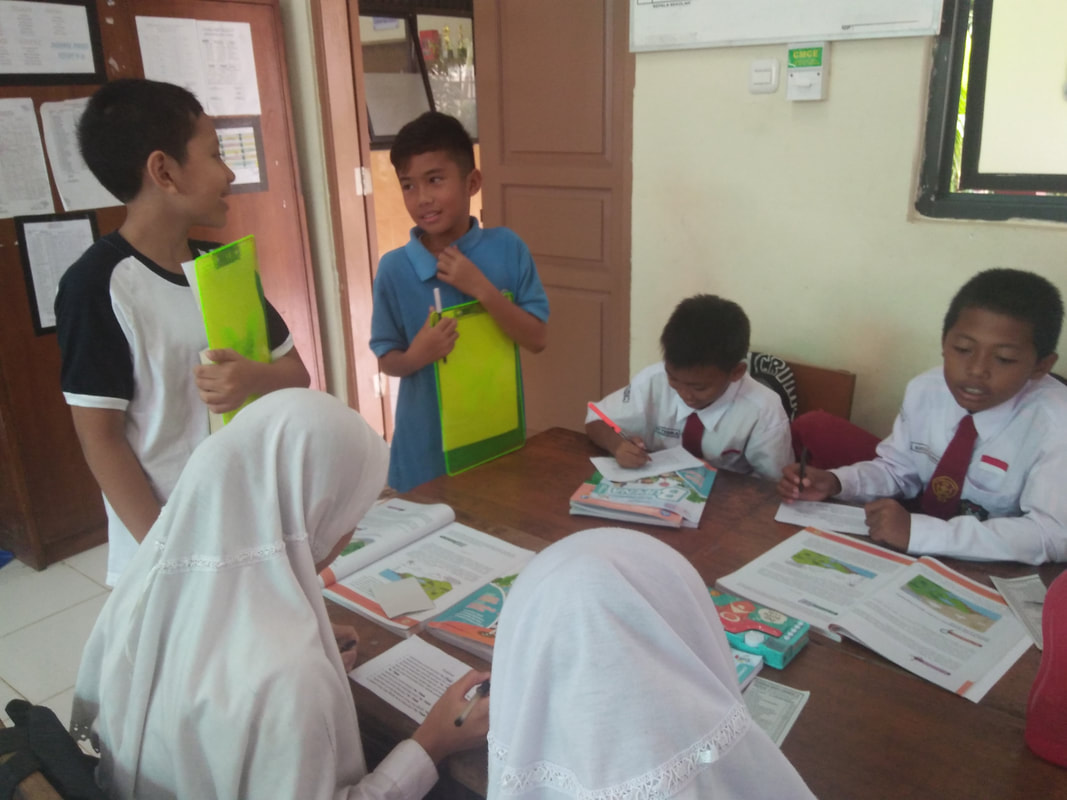
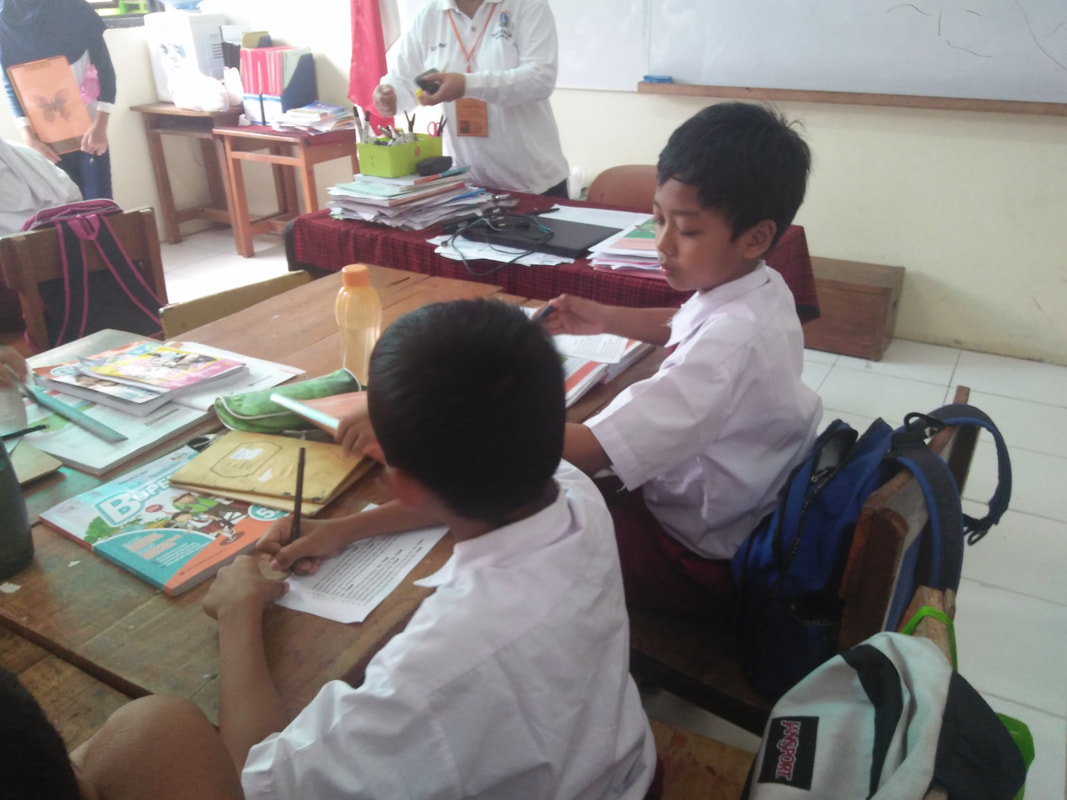
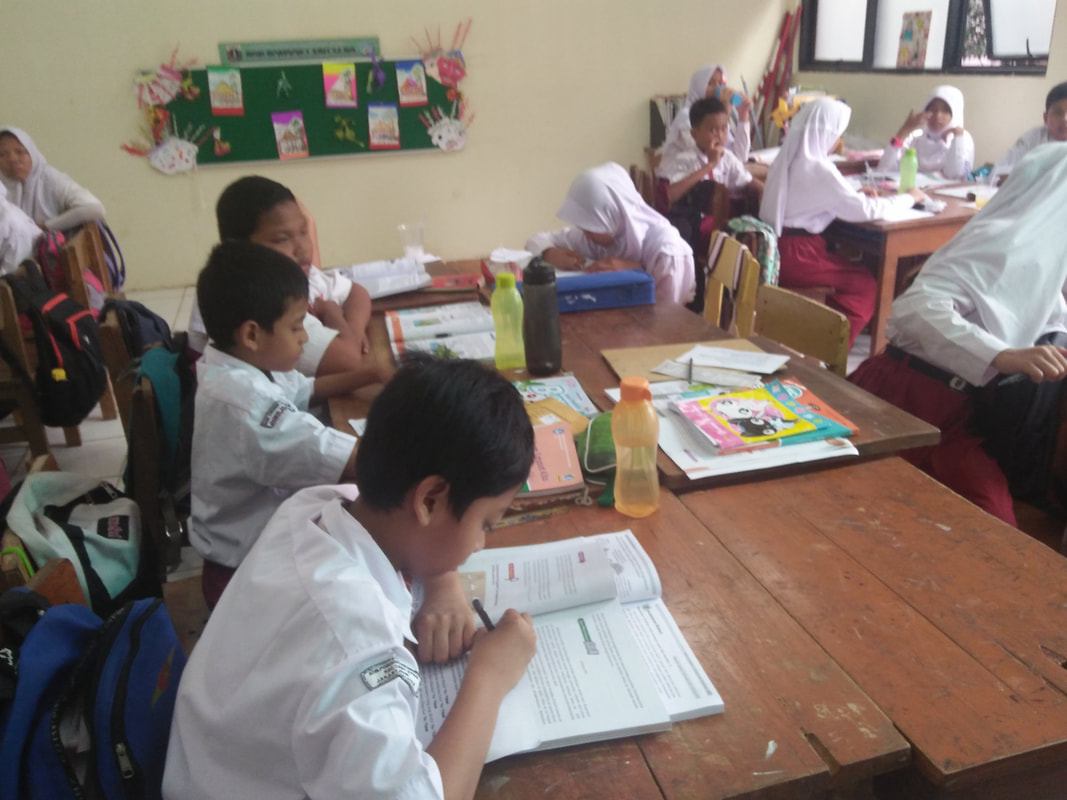
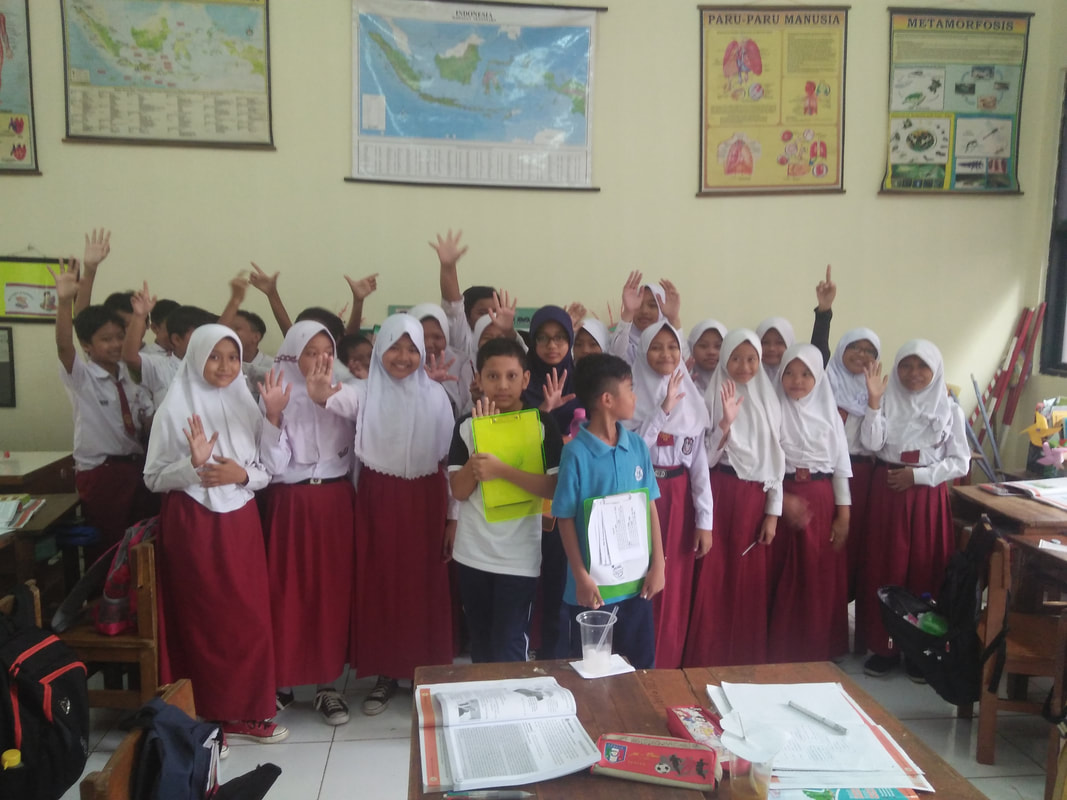
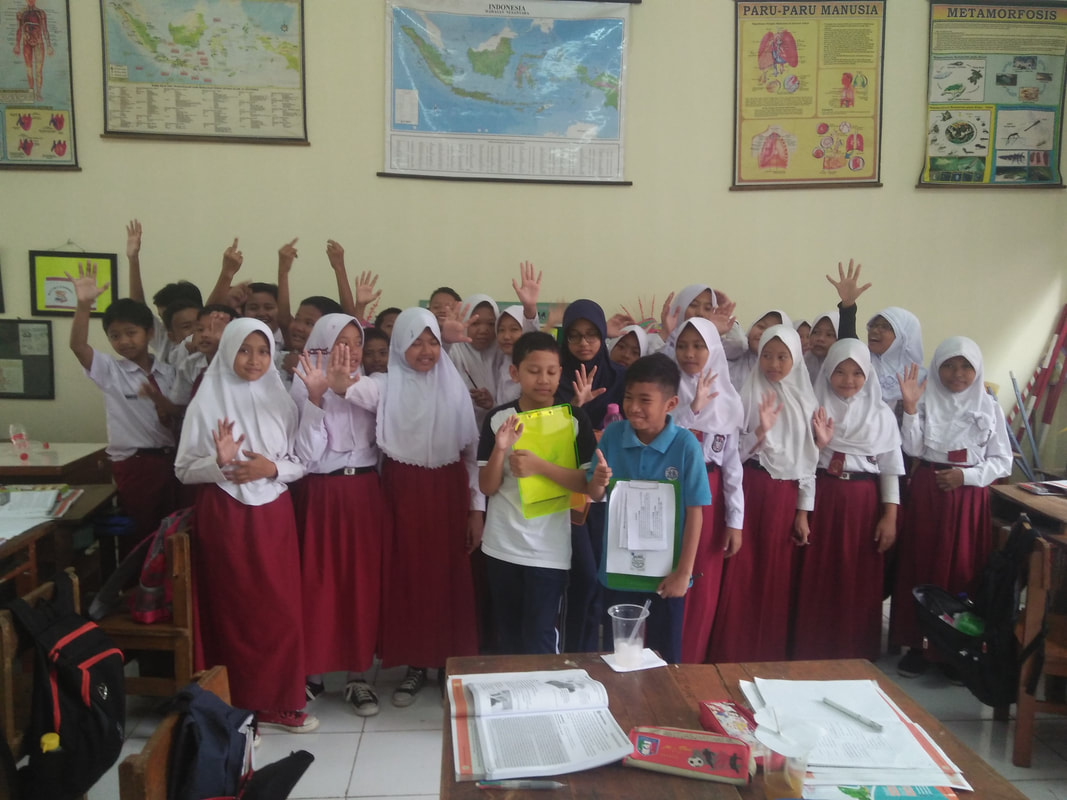
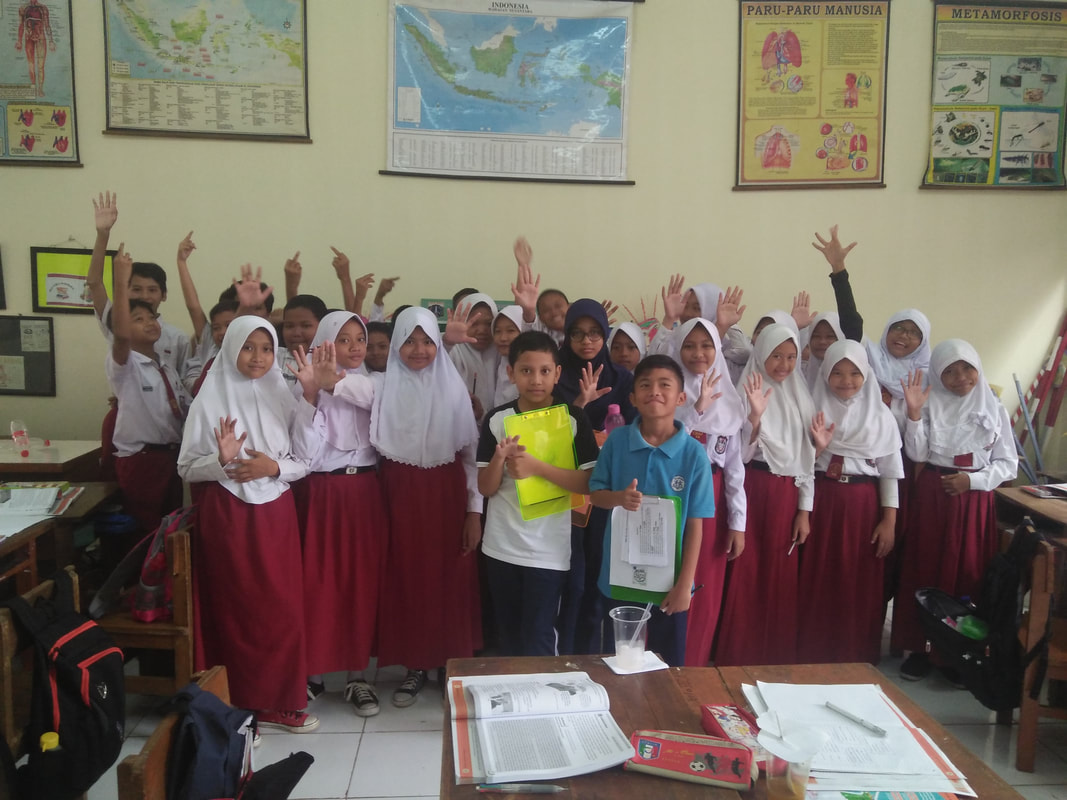
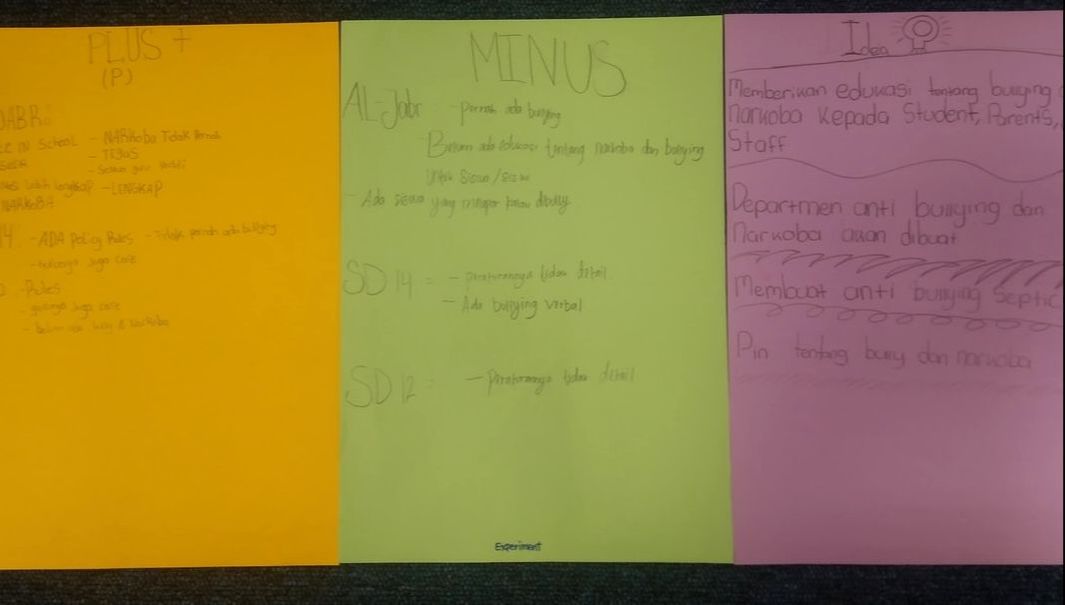
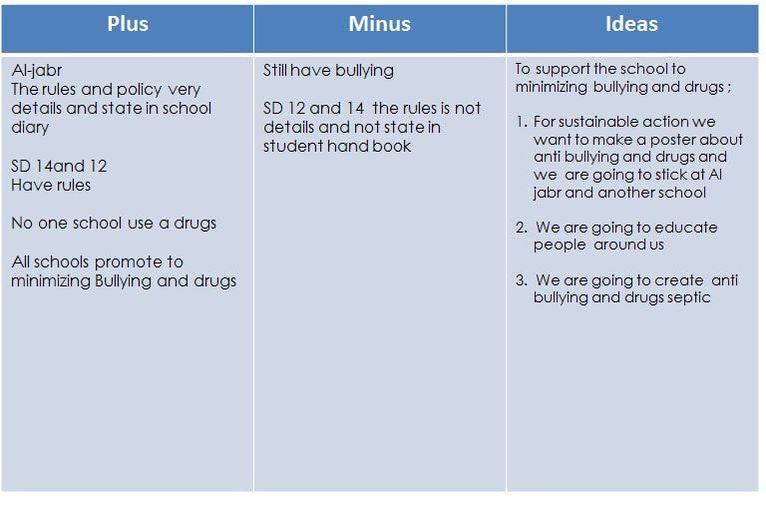
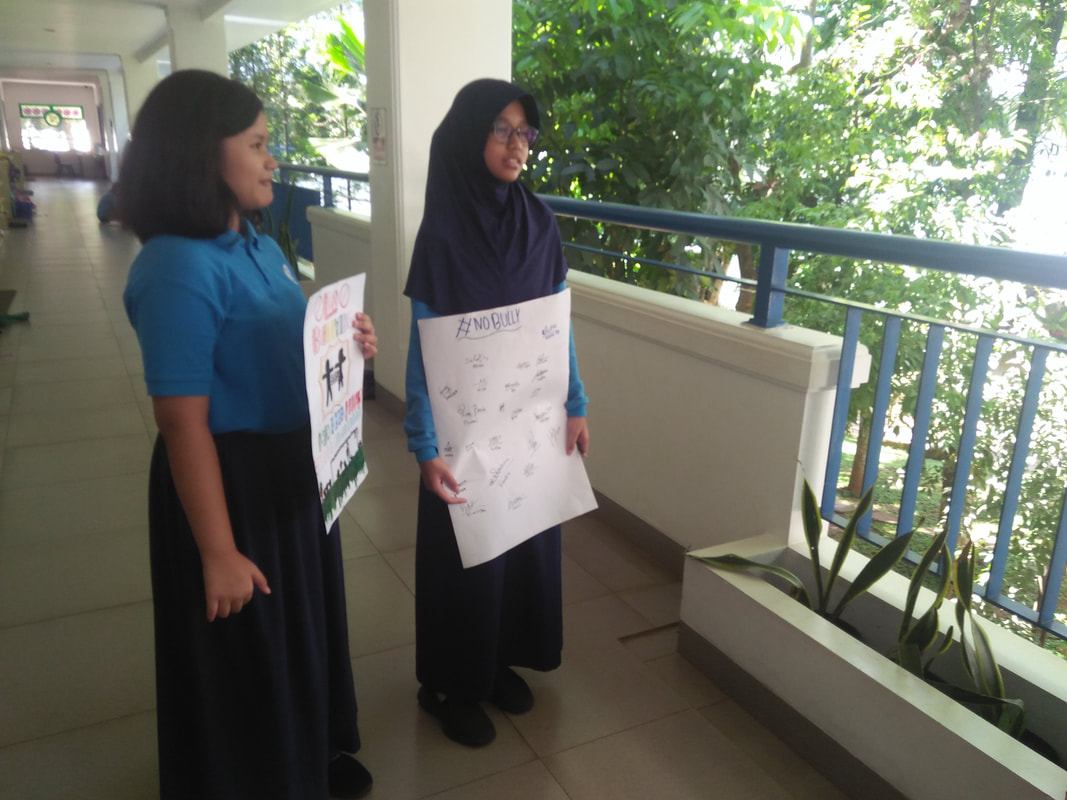
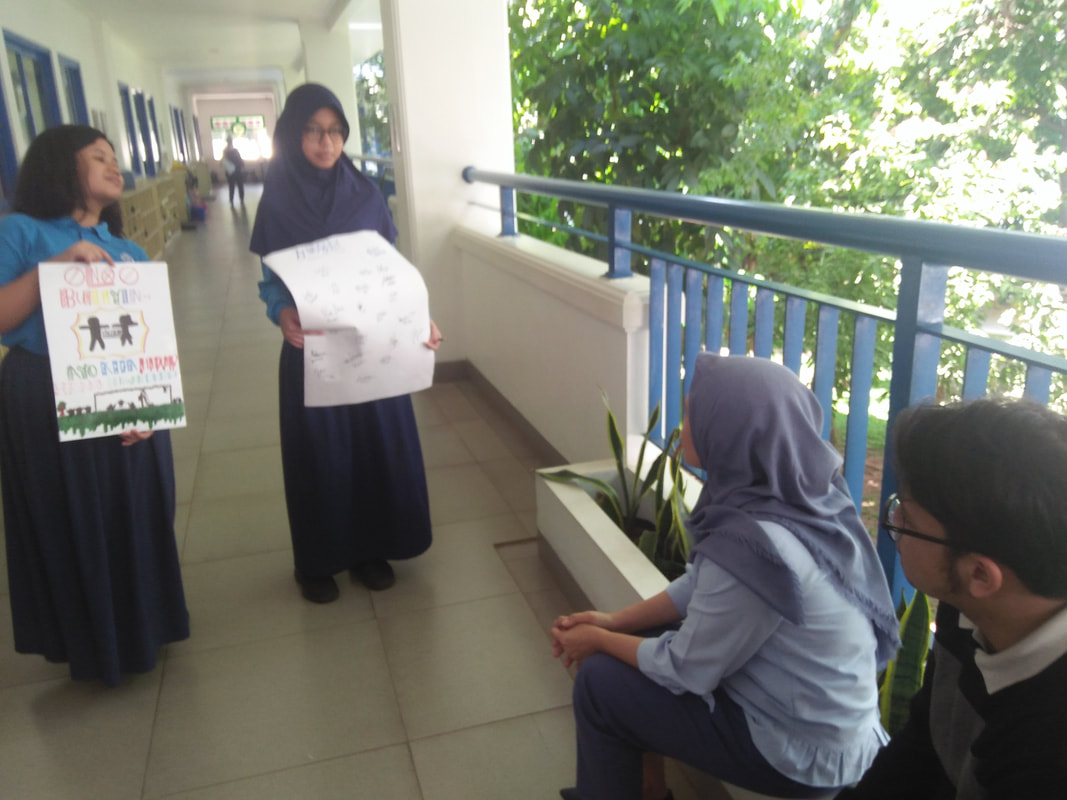
For this step, we compare the result of Al jabr, SD 12 and SD 14.
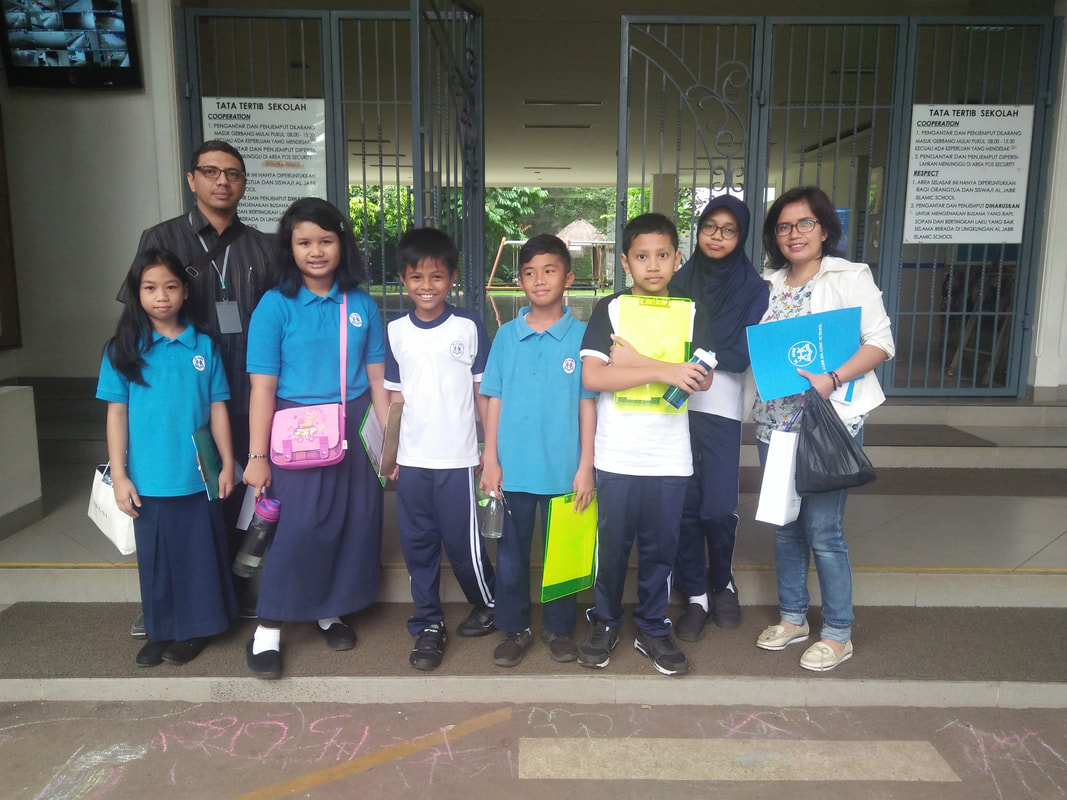
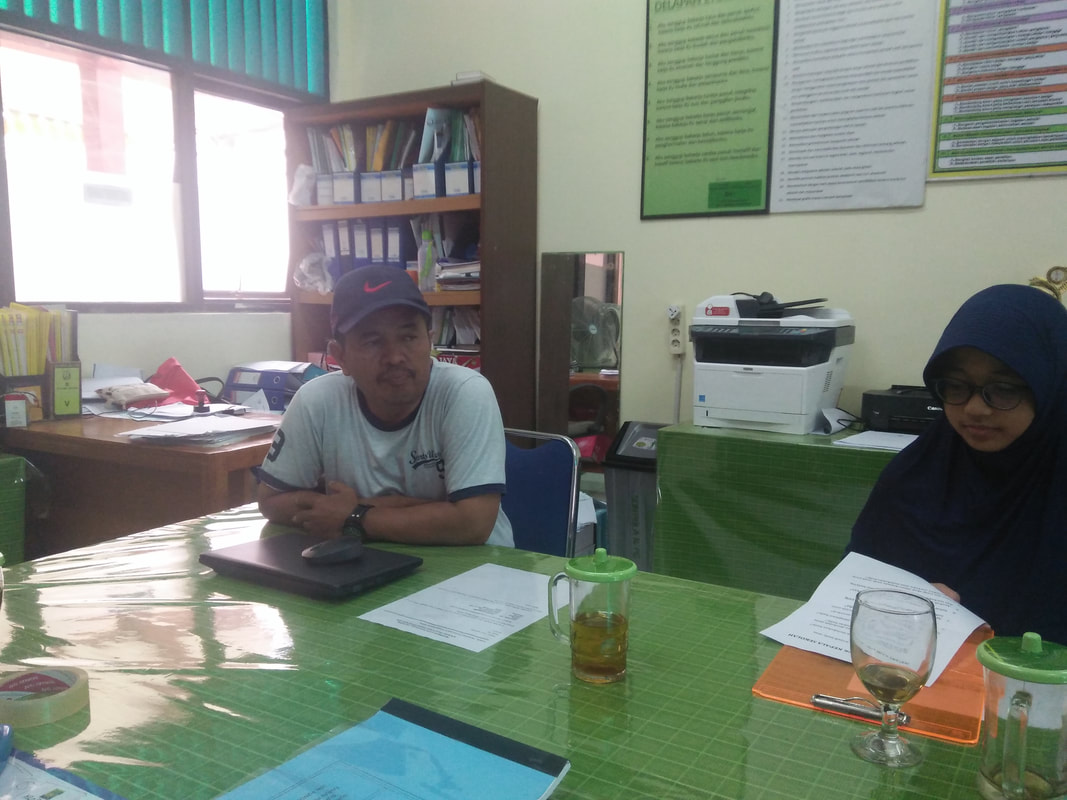
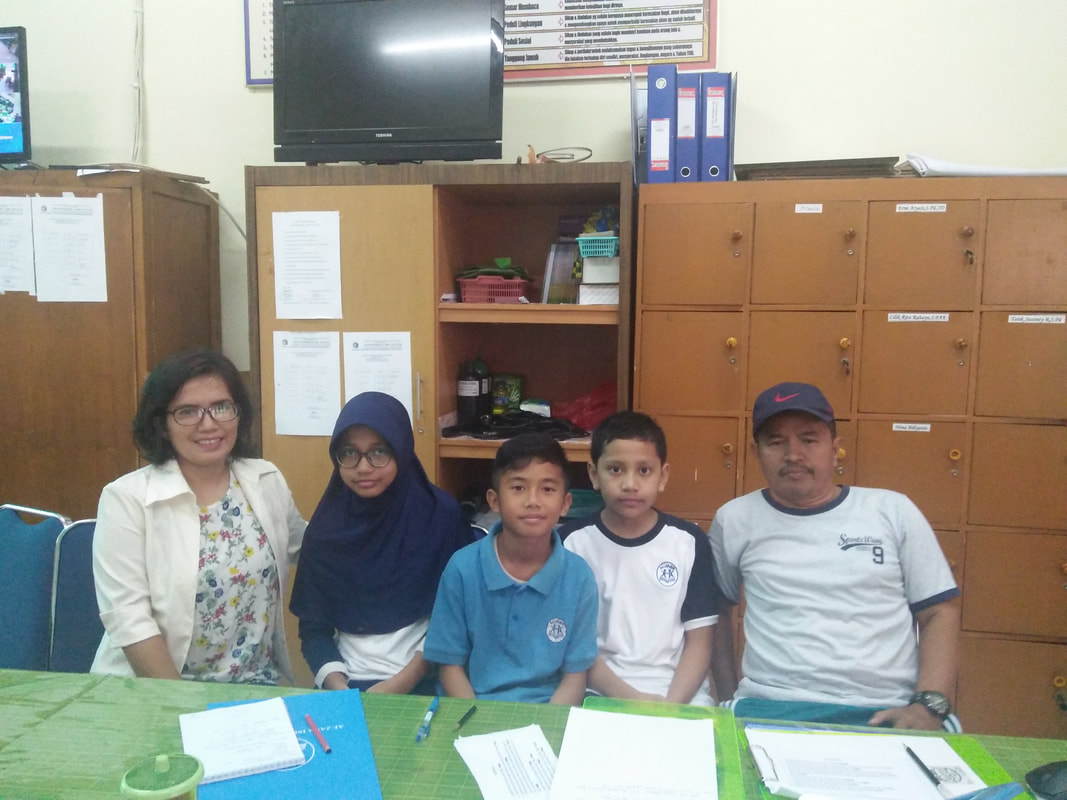
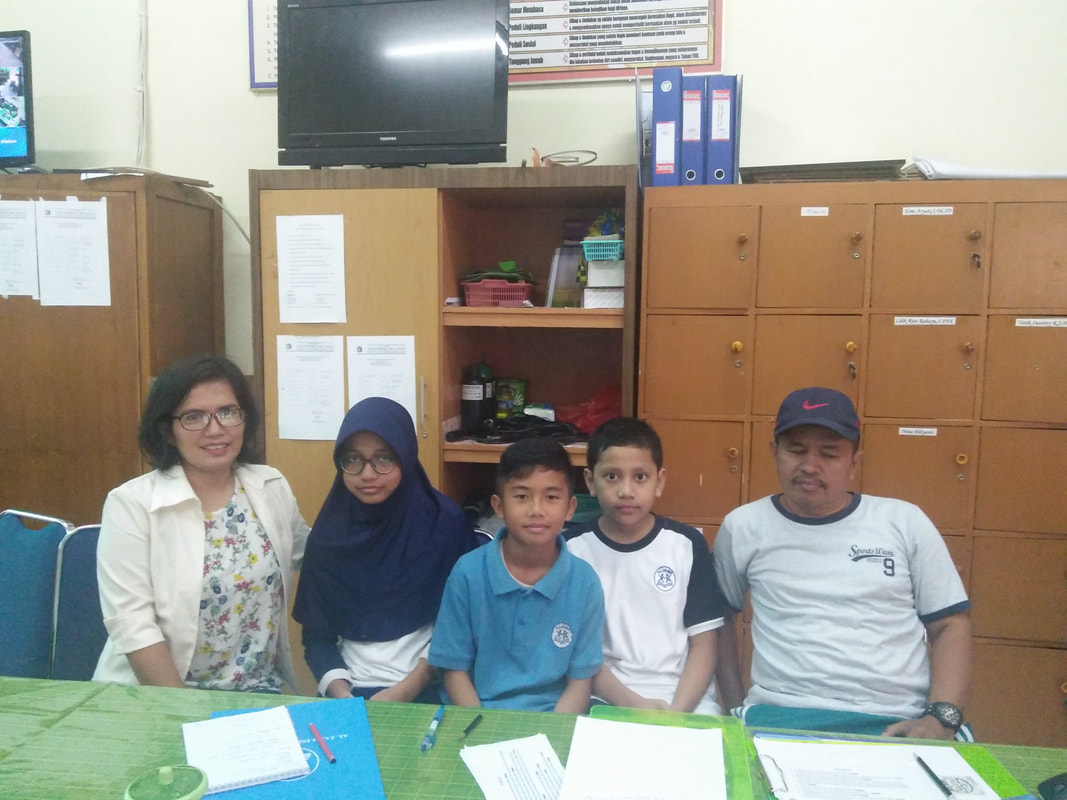
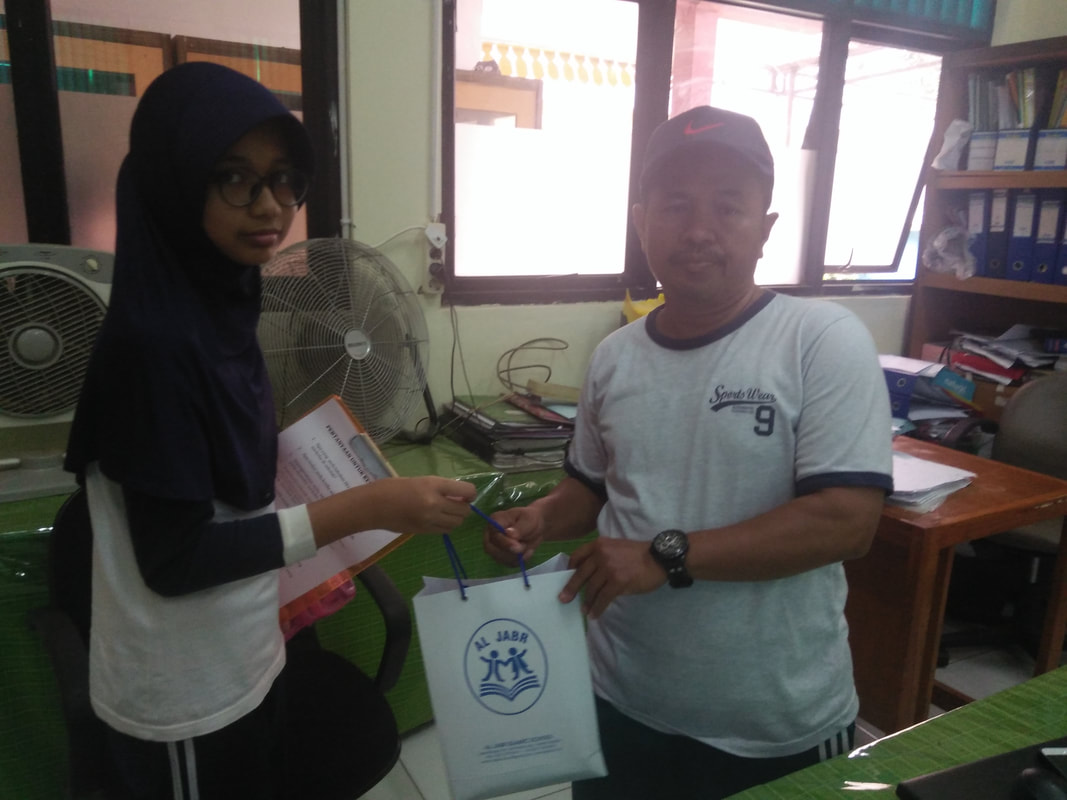
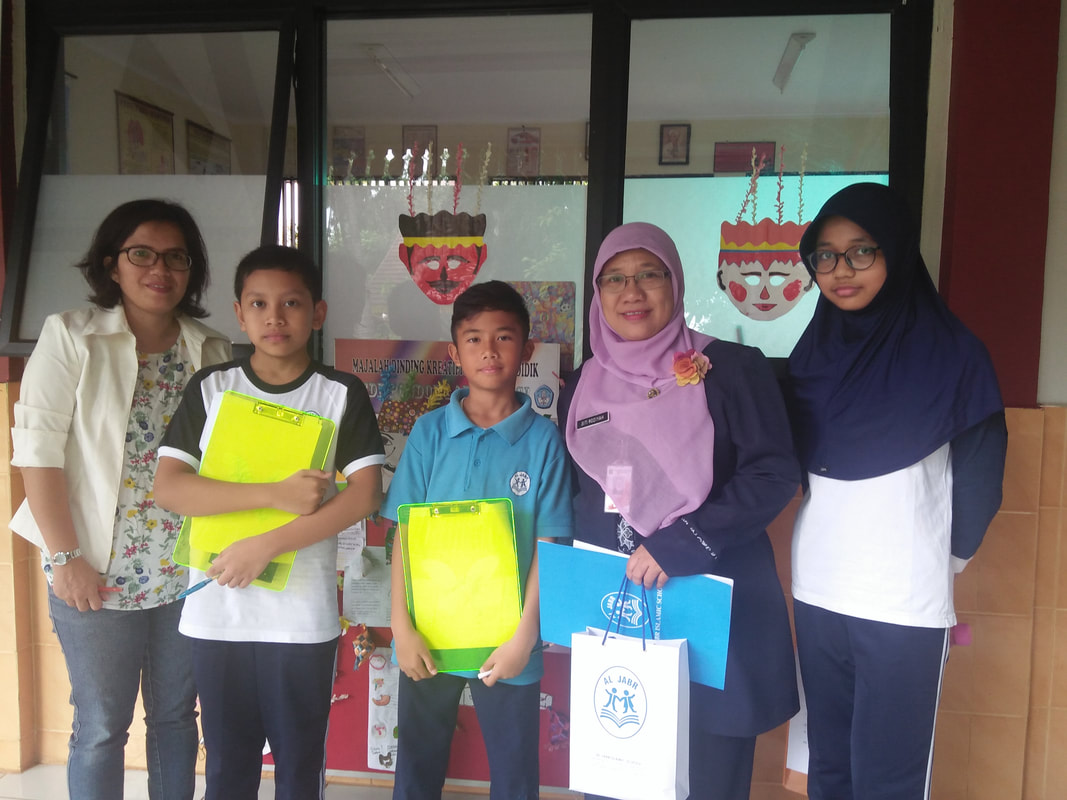
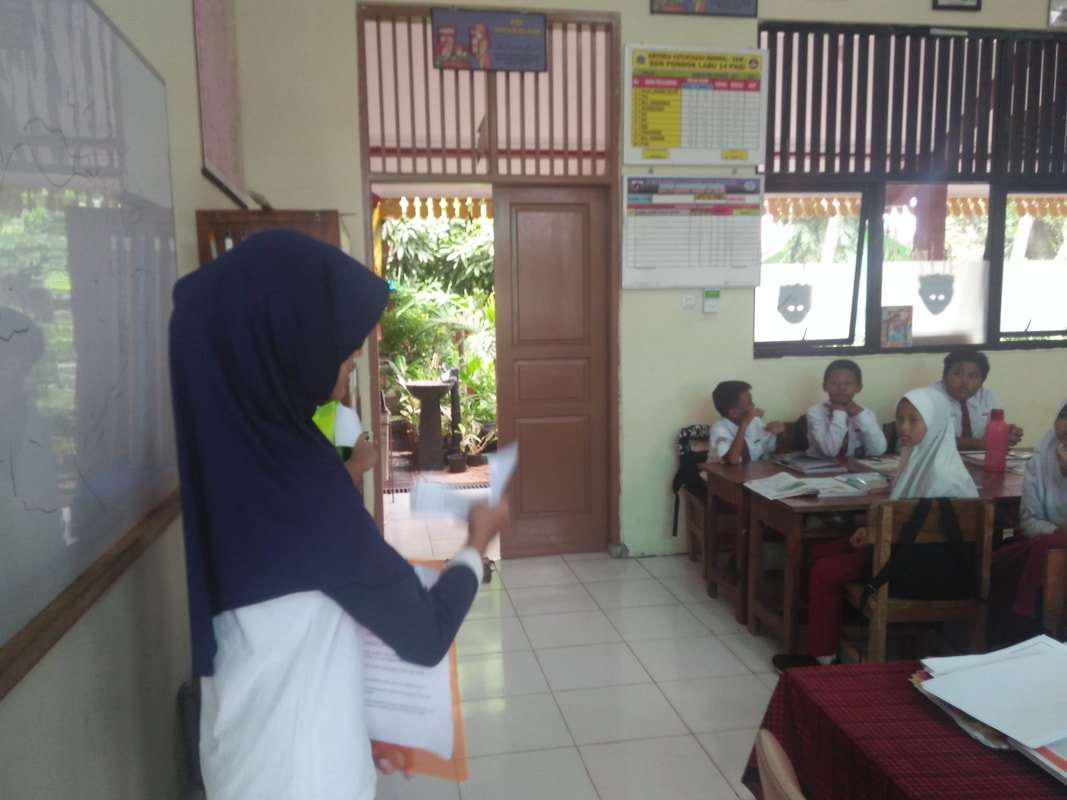
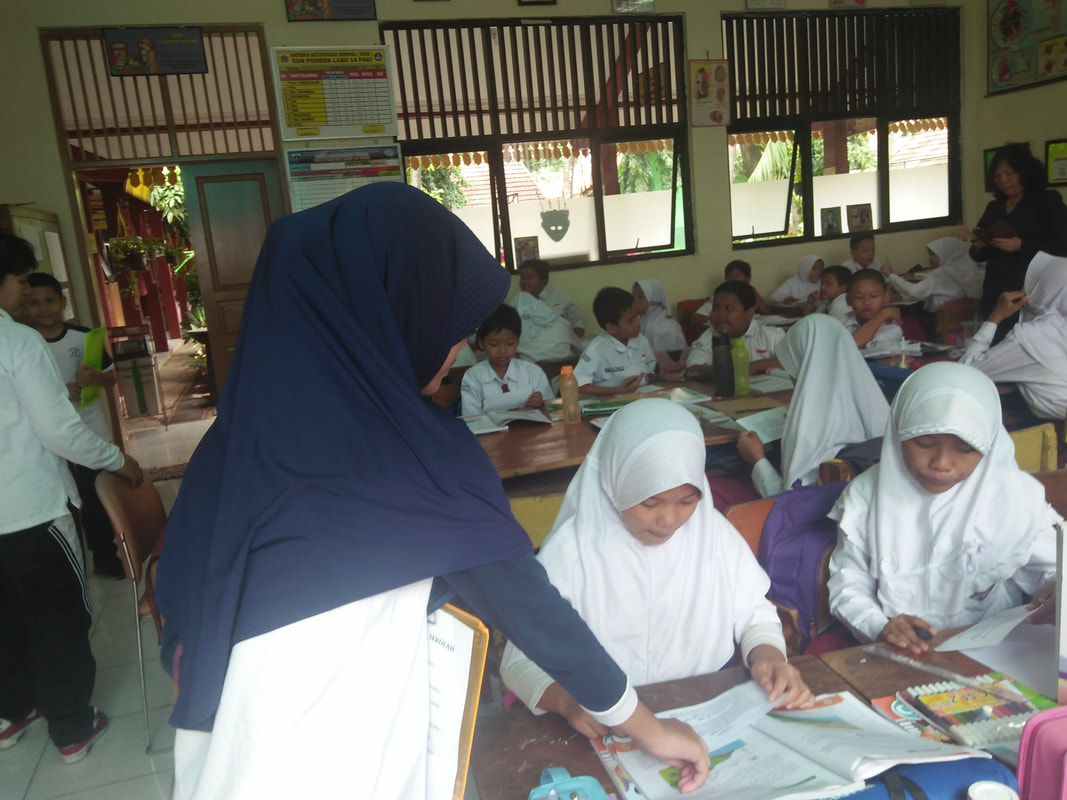
1. Fieldtrip To SD 14
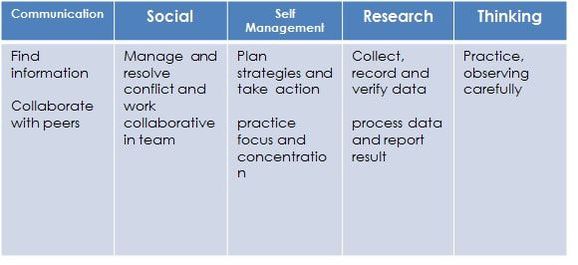
ATL SKILLs
FIELD TRIP to sd 12
DEEPEning understanding
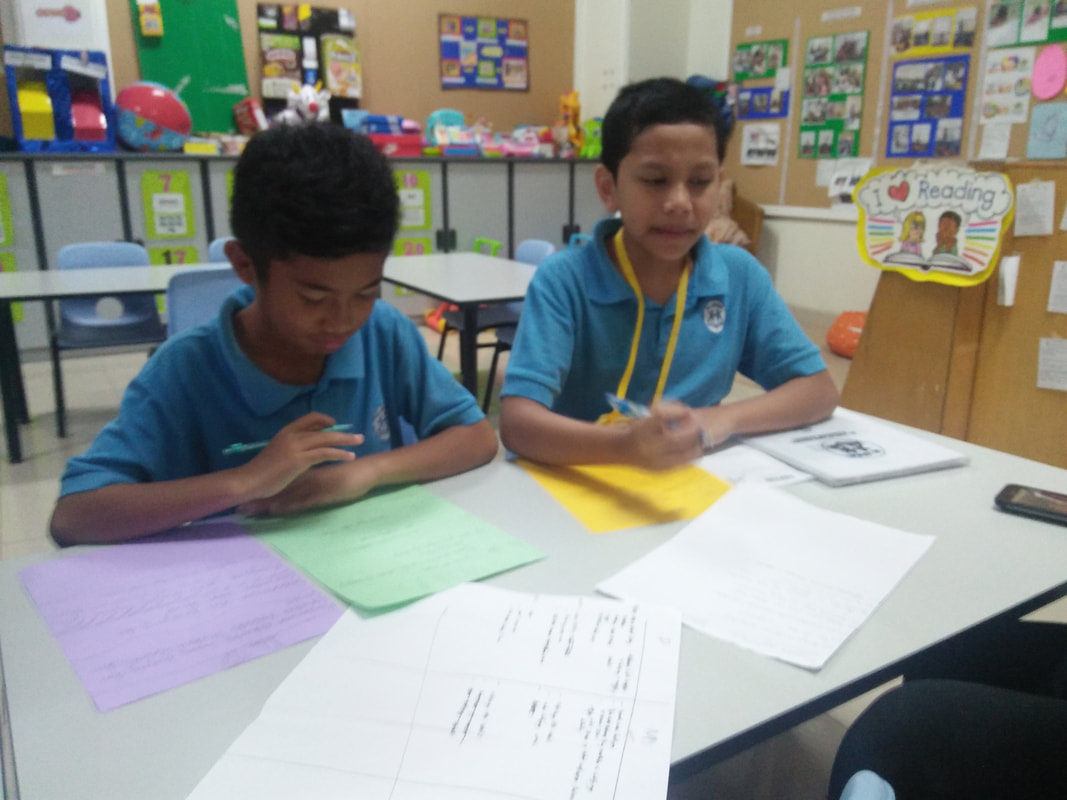
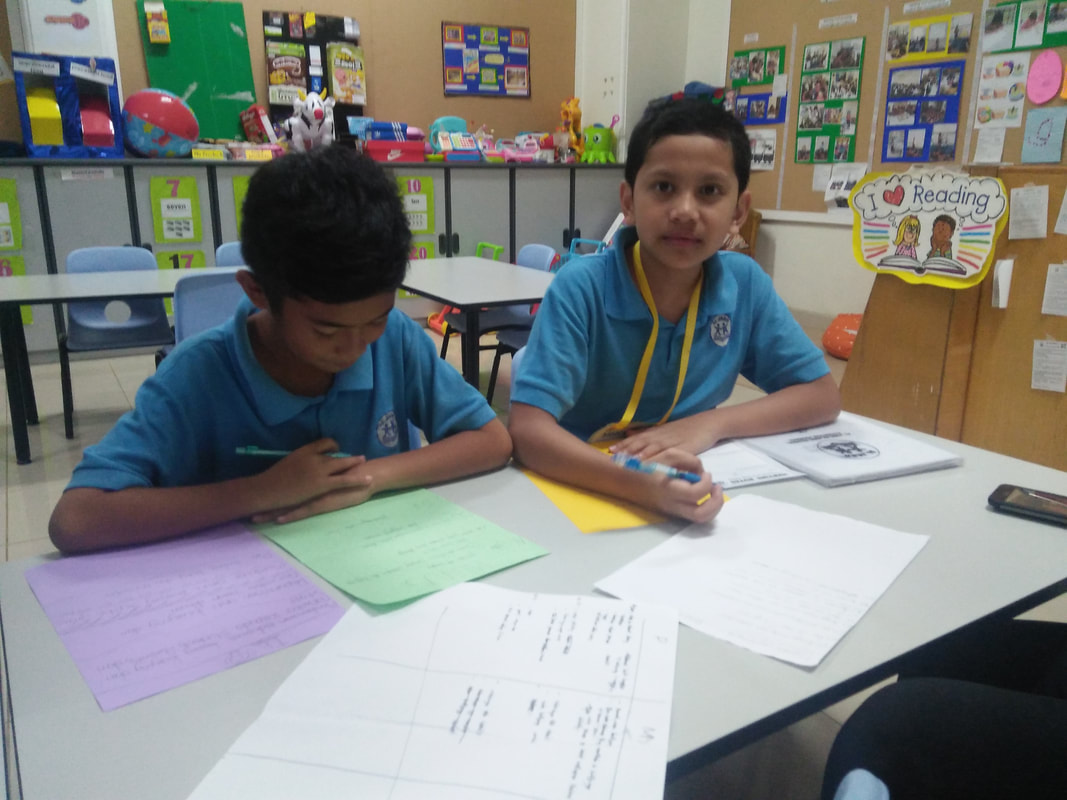
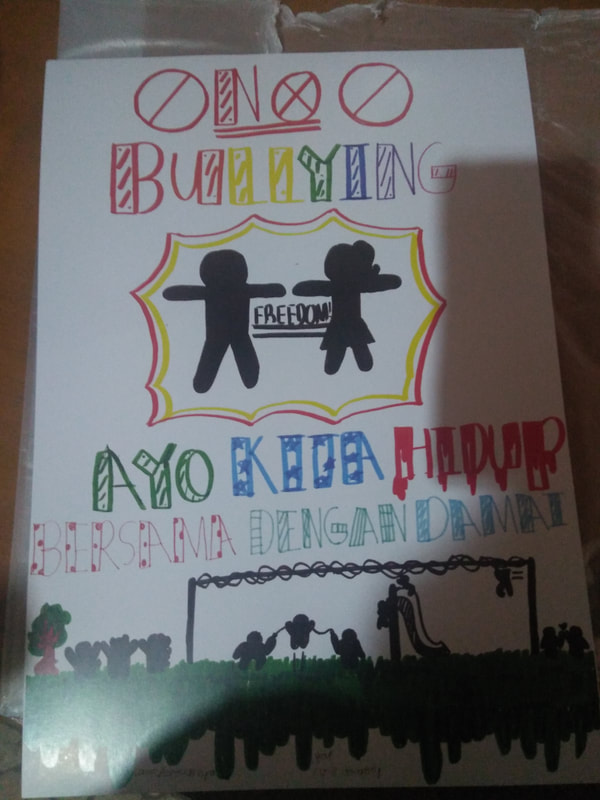
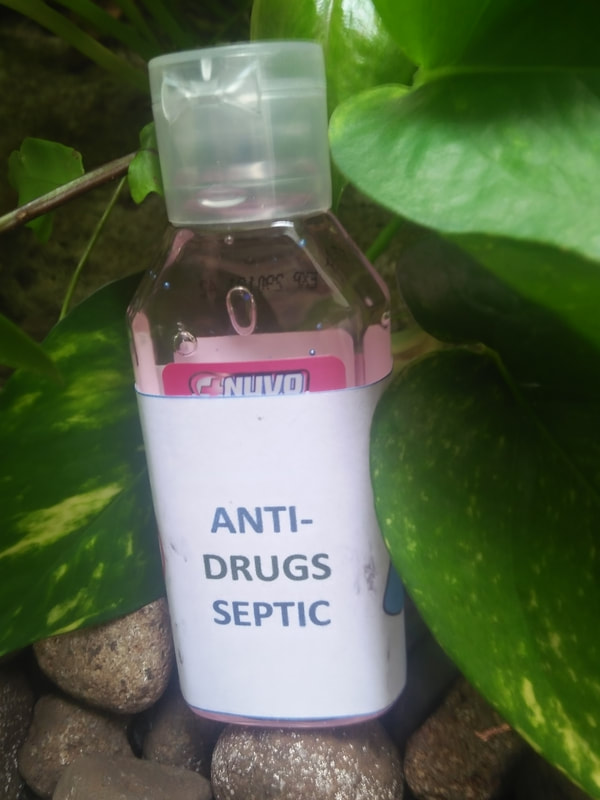
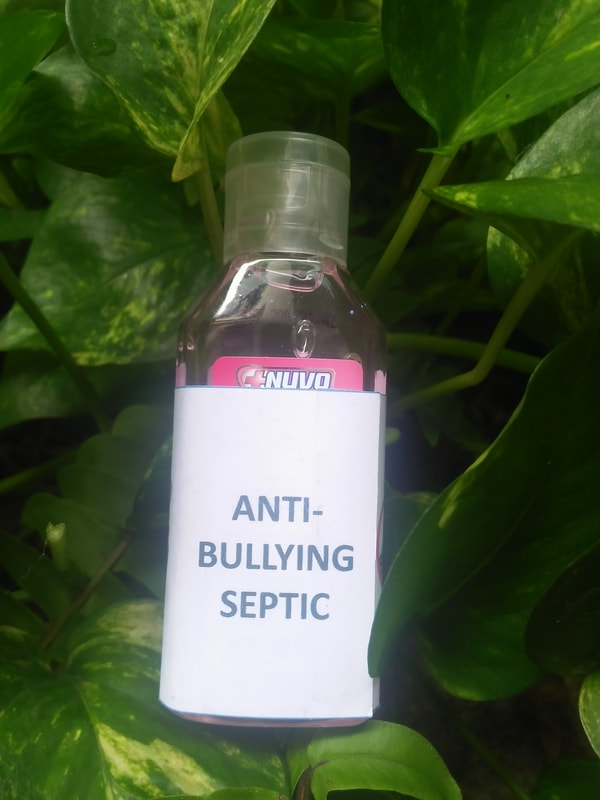
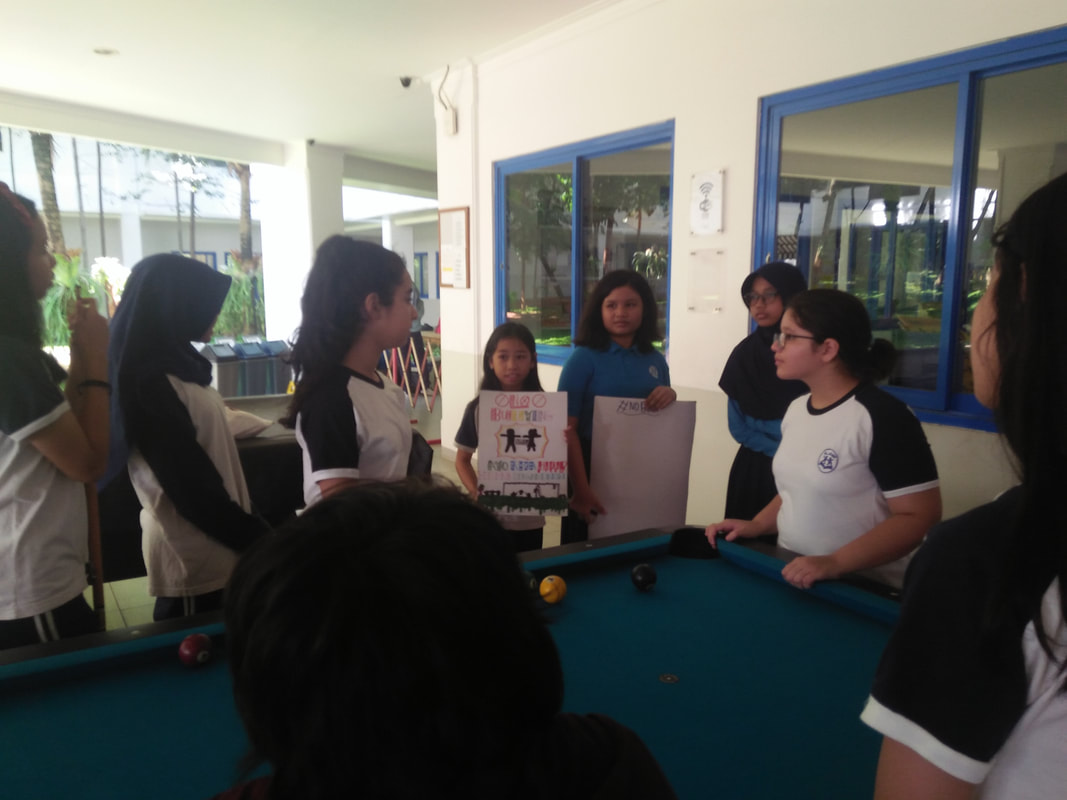
ACtion
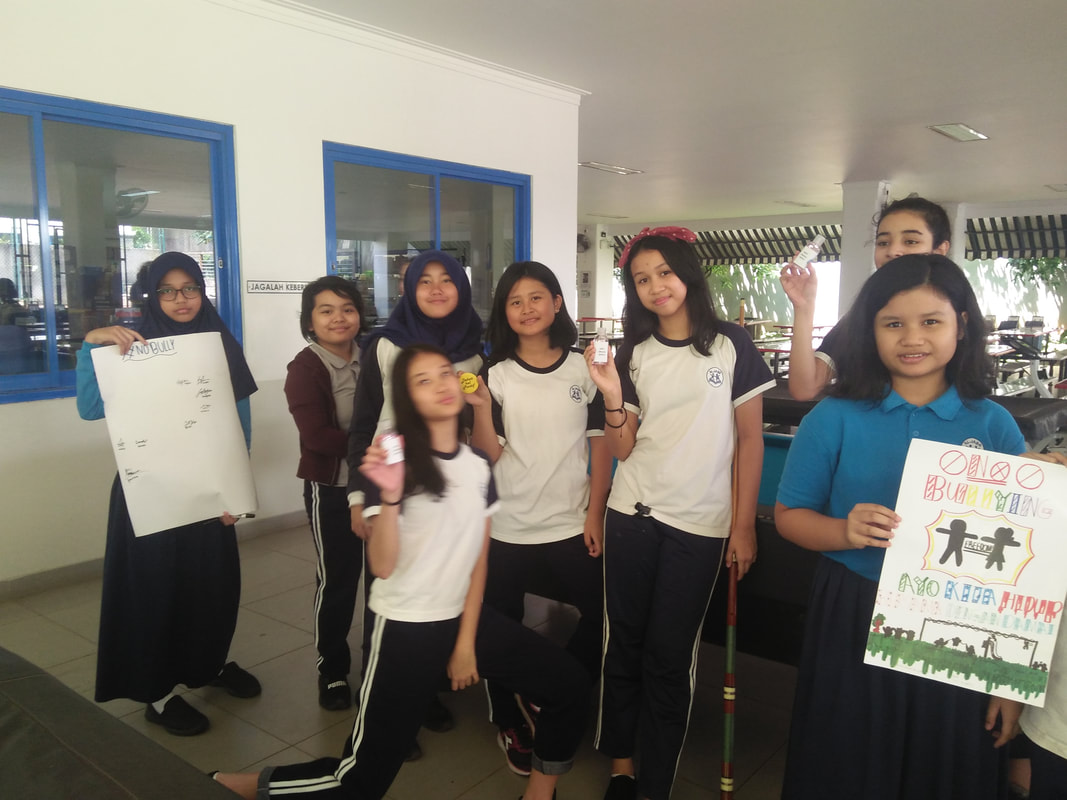
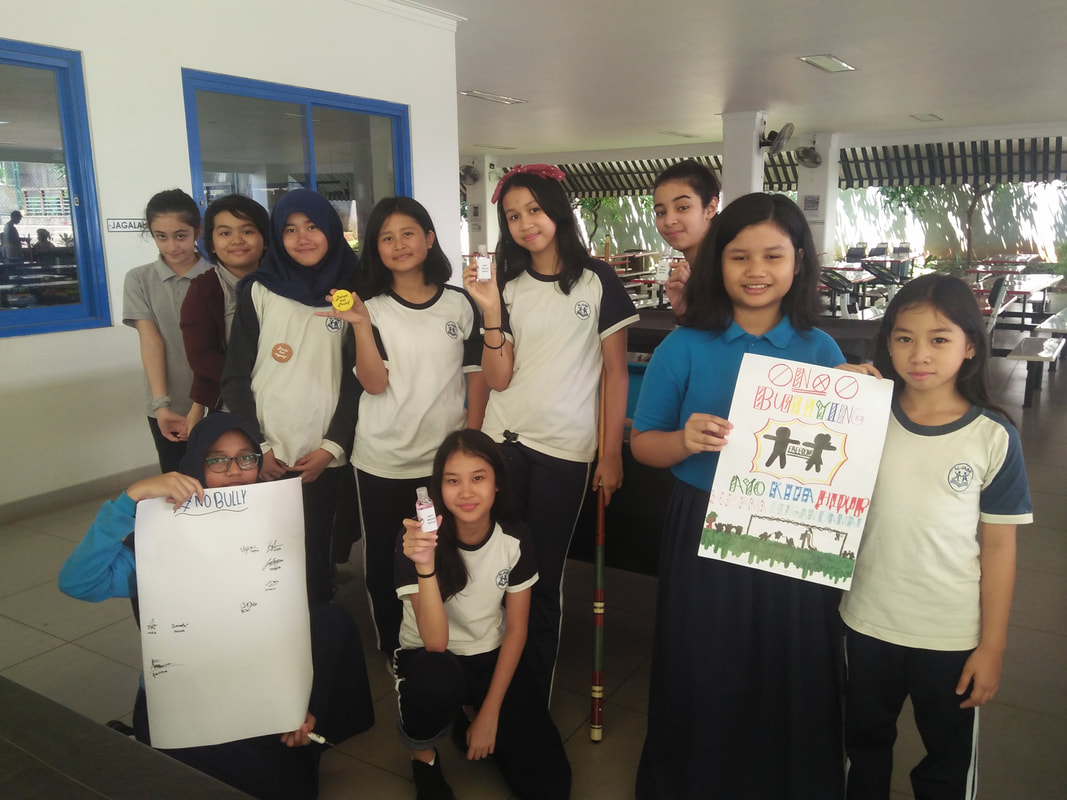
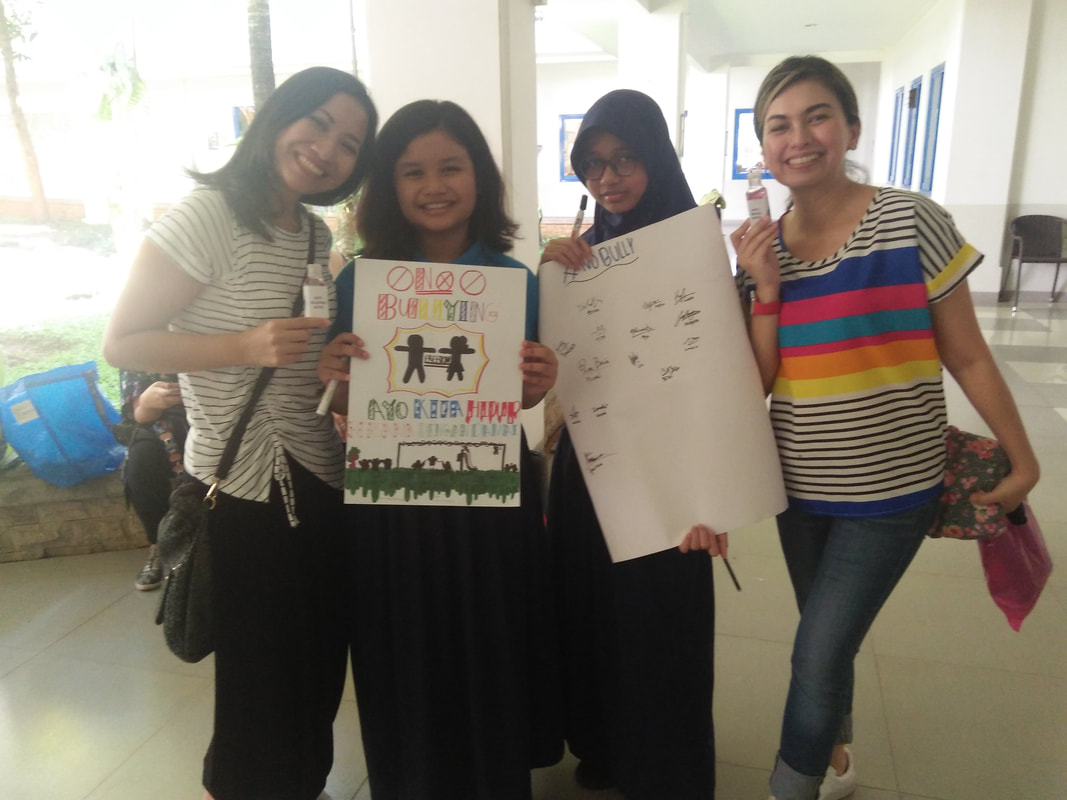
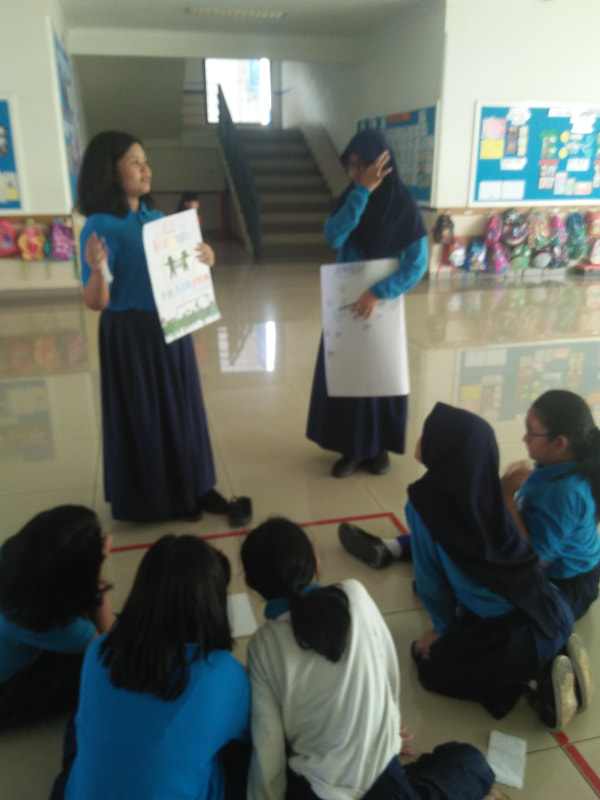
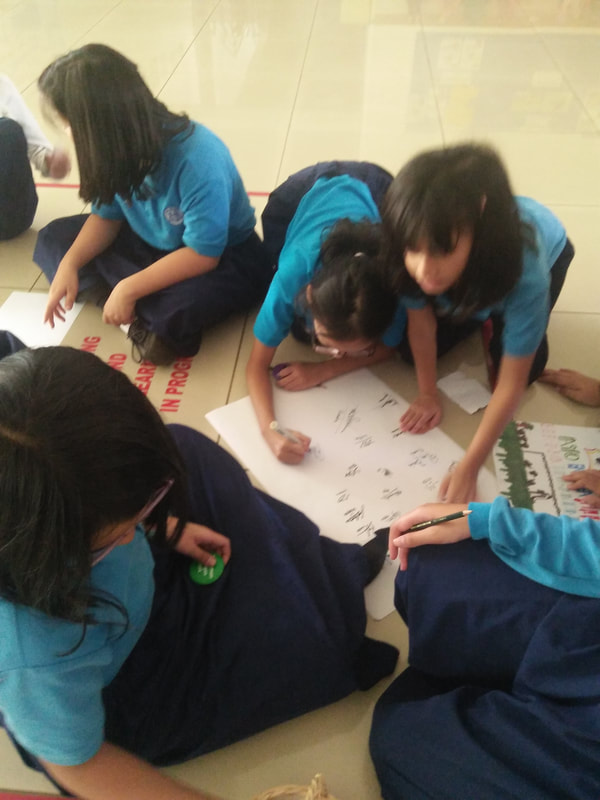
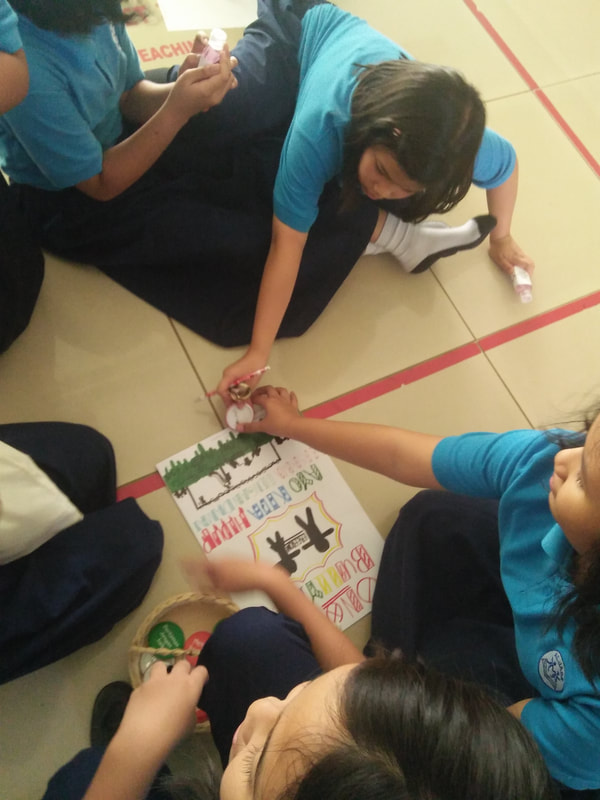
IB Profiles and Attitudes
Profile:
1.Thinker
2.Principle
3. Communicator,
Attitude:
1.Cooperation
2.Curiosity,
3.Enthusiasm,
4.Confidence
1.Thinker
2.Principle
3. Communicator,
Attitude:
1.Cooperation
2.Curiosity,
3.Enthusiasm,
4.Confidence
Previous Learning
Grade 3 ( Sharing the planet ) - Unit 6
-Children worldwide encounter a range of challenges , risk and opportunities
Grade 4 ( Sharing the planet ) – Unit 6
-Reaching a resolution during periods or moments of conflict is influenced by the actions and reactions of all involved.
-Children worldwide encounter a range of challenges , risk and opportunities
Grade 4 ( Sharing the planet ) – Unit 6
-Reaching a resolution during periods or moments of conflict is influenced by the actions and reactions of all involved.
