Grade 5 Exhibition
  • Home
  • 2014
    • Enforcement Systems in City Cleanliness
    • Drainage City Plan
    • Building Plan in Jakarta
    • Reforestation
    • Trading System: Export and Import
    • Tax Responsibilities
    • Governmental Services in Health
    • Criminal and Safety
    • Natural Disaster Management System
    • Public Transportation System
    • Election System
  • 2015
    • Government Systems >
      • Maritime ; Sovereignty & Illegal fishing
      • Economy: Creative industries
      • Environment : Environmental recovery from natural disaster
      • Health : National health insurance
      • Education : Education as a socialization tool
      • Law ; Law enforcement
    • Biodiversity >
      • Beach ecosystem
      • River ecosystem
      • Mountain ecosystem
      • Marine Ecosystem
      • Rain forest ecosystem
      • Mangrove ecosystem
      • Economic : National Economic development
      • Paddy field ecosystem
  • 2016
    • Sumatran Elephants
    • Sea Turtles
    • Mangrove plant
    • Orang Utan
    • River Insect
    • Butterflies
    • Eatable Food
    • Shark
    • Corals
    • Lutung Jawa
    • Eceng Gondok
    • Palm Oil Plantation
    • Tomcat
    • Sumatran Tiger
  • 2017
    • Habitats of Mosquitoes
    • Relationship between ants and the food types
    • Birds' population
    • Insects as Natural Predators
    • Management system of cats' population
    • Aquaponic
    • Butterfly Population
    • Plants to Break the Stream of Water
    • Varieties of Herbs
    • Urban Farming of Consumable Fish
    • Crushed Fallen Leaves to Germinate Seeds
    • Diseases of Cats
  • 2018
    • Waste management in Jakarta society
    • The use of health-care facilities in Jakarta
    • Child-friendly city
    • Universal design in developing public infrastructures
    • Programs to improve reading habits
    • The roles of schools in minimizing juvenile delinquency
    • National examination as a form of assessment
    • Zoonosis
    • Promoting affordable healthy diet
    • Infectious diseases in urban communities
    • Access to Quality Education for Disadvantaged Families
    • Population growth and availability of resources
  • 2019
    • Government system >
      • Hoax and cyber bullying
      • Government decision making regarding to life below water
      • Government function to protect their citizens
    • Biodiversity >
      • Endangered animals population because of human activities
      • Marine ecosystem
      • Deforestation (Forest ecosystem)
    • Scientific knowledge >
      • Tsunami or natural disaster detector
      • Trash as source of energy
      • Innovate trash management on land
      • Scientific technology to support human activity
      • Climate change (extreme weather)
  • 2020
    • Scientific Knowledge >
      • Technology of Infrastructure Construction
      • Disadvantages of technology to biodiversity
      • Technology to solve industry problem
      • INDONESIAN ORCHID BIODIVERSITY CONSERVATION USING TISSUE CULTURE TECHNIQUES
    • Governmental System >
      • Government's Role toward Plastic Innovation
      • BUMN Roles toward Economic Activity
      • Government Action regarding to Energy Crisis
    • Biodiversity >
      • Taking Action of Climate Emergency
      • Endanger Animal in Ecosystem
      • Animals Evacuation During Natural Disaster
      • The Global Warming Impacts to The Shark Extinction

River Ecosystem

Picture
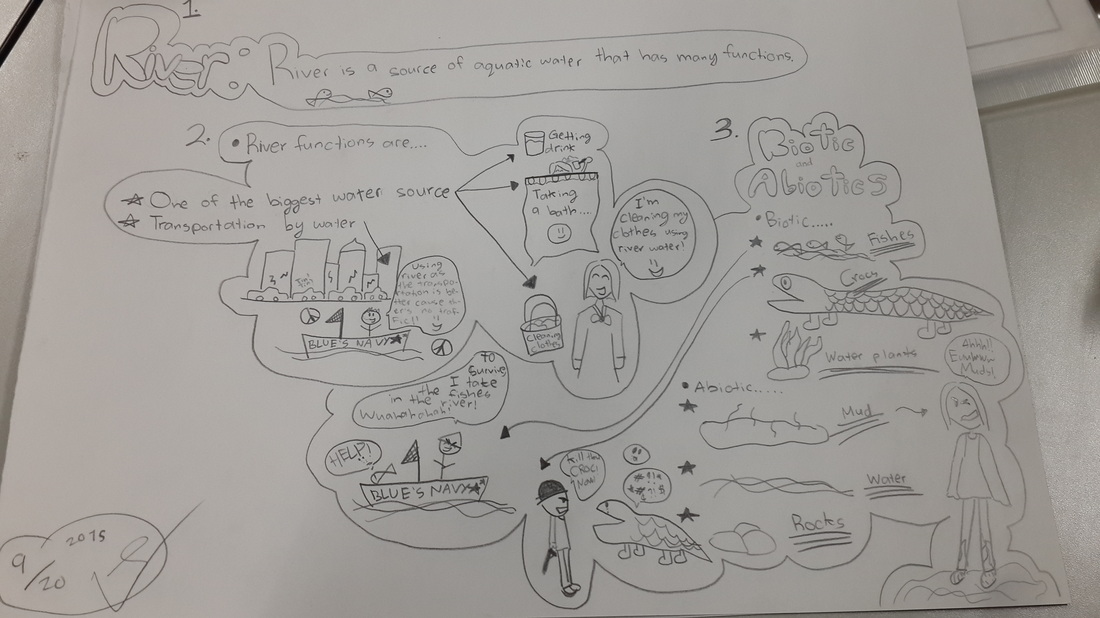
Rivers As Resources
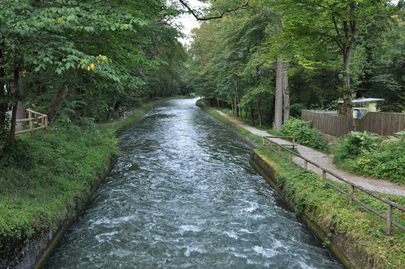
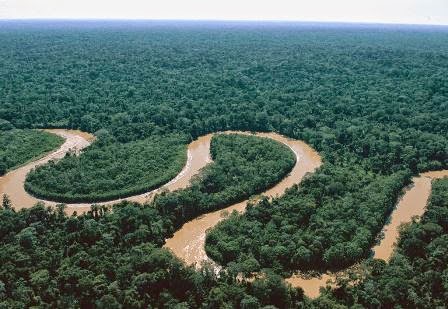
Ciliwung river in the past:

Picture
 THE CILIWUNG STORY
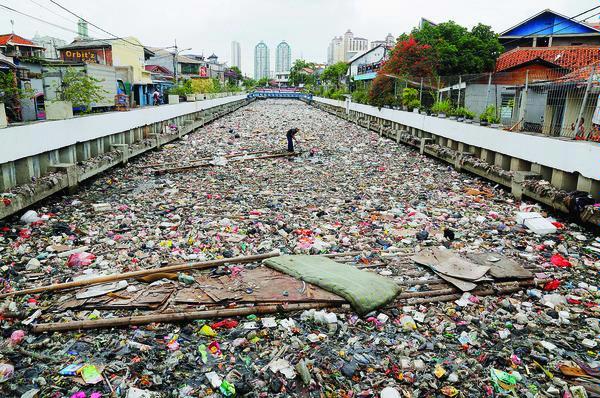
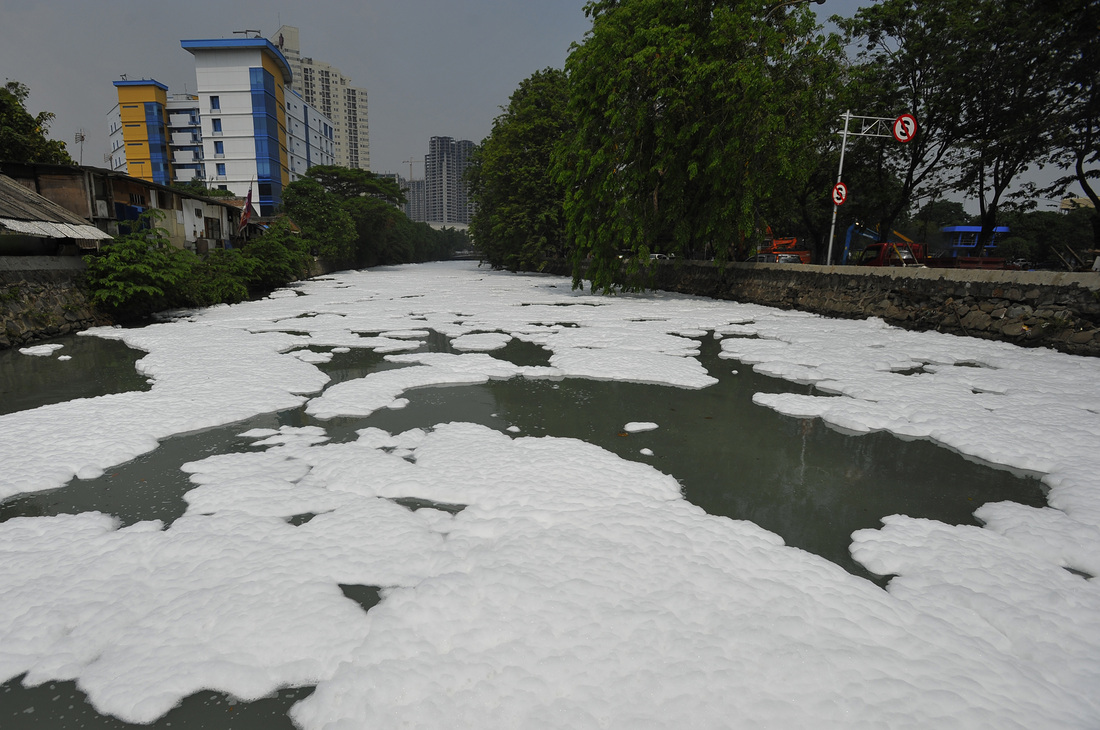
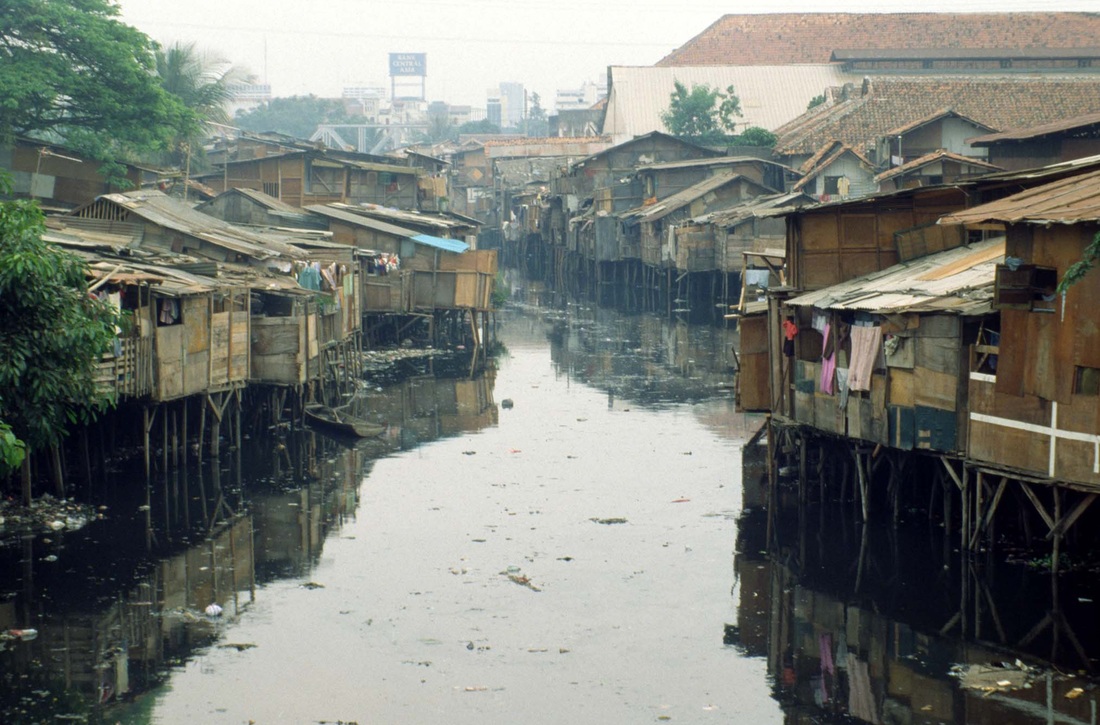
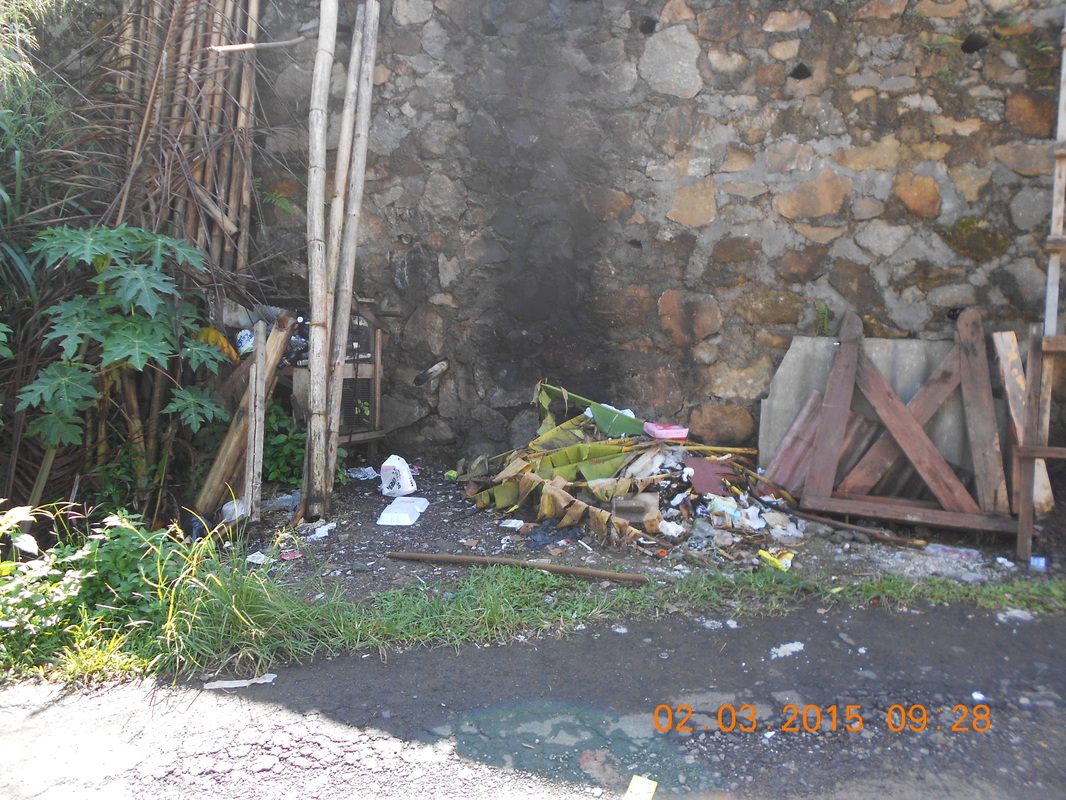
The Ciliwung River is 119km long and passes through the Bogor Province, Depok District and the city of Jakarta in Indonesia. It is renowned for being one of the most heavily polluted rivers in the world. Many Indonesian citizens are forced to live by the river because it is all they can afford. People that live along the Ciliwung use it for everything from washing themselves to cleaning clothes and dishes, to swimming. Contamination from human waste is the biggest cause of pollution in the Ciliwung. There is no organized rubbish collection for this area, so waste ends up in the river. 
From the information and facts above, Our interest started to study and learn more about river.

Because we still live in the present and not in the future, we need solutions right NOW. Otherwise there will be no tomorrow!

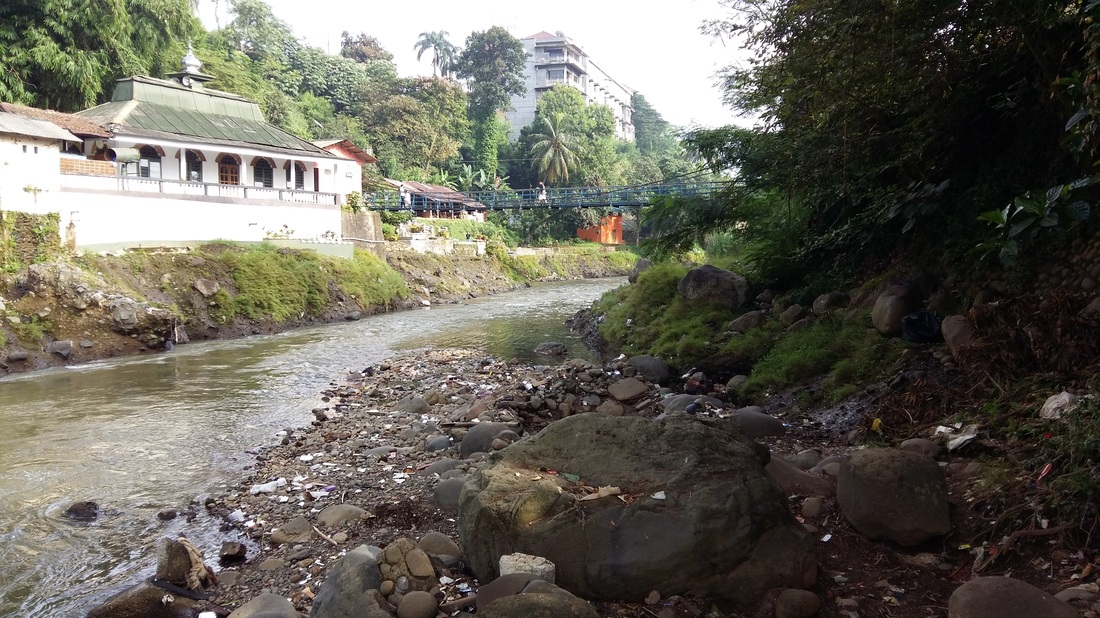
Ciliwung river in the present:
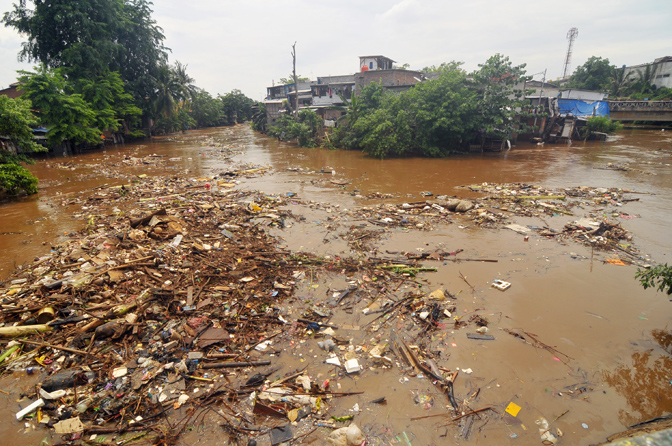
 In the PYP Exhibition is our opportunities to study about the topic of river ecosystem

Here are our members:

_ The central idea is:

“Biodiversity relies on maintaining the interdependent balance of organisms within systems”.

The Lines of Inquiry are:


• Ways in which ecosystems, bio mes and environments are interdependent
• How human interaction with the environment can affect the balance of  systems
• The consequences of imbalance within ecosystems


Mentors:

Student's Journal

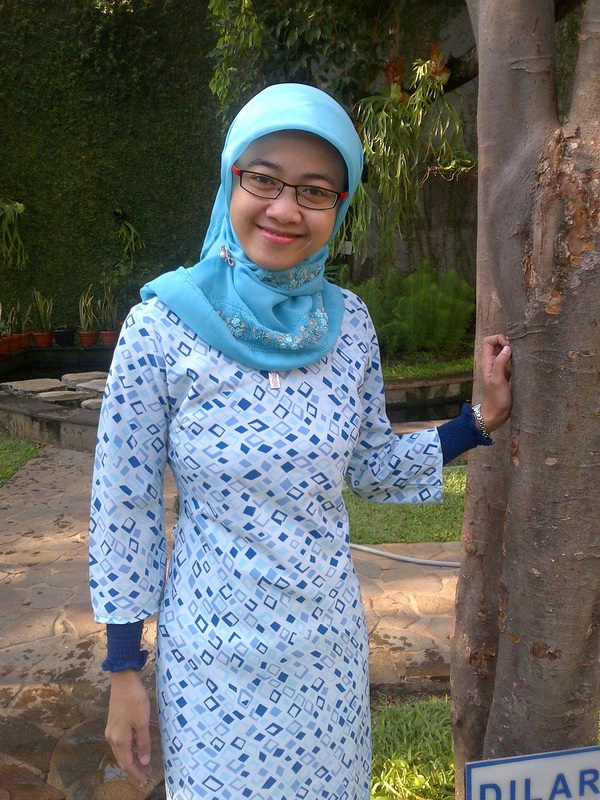
                        Ms.Icha                                                  Ms.Hana

Students:

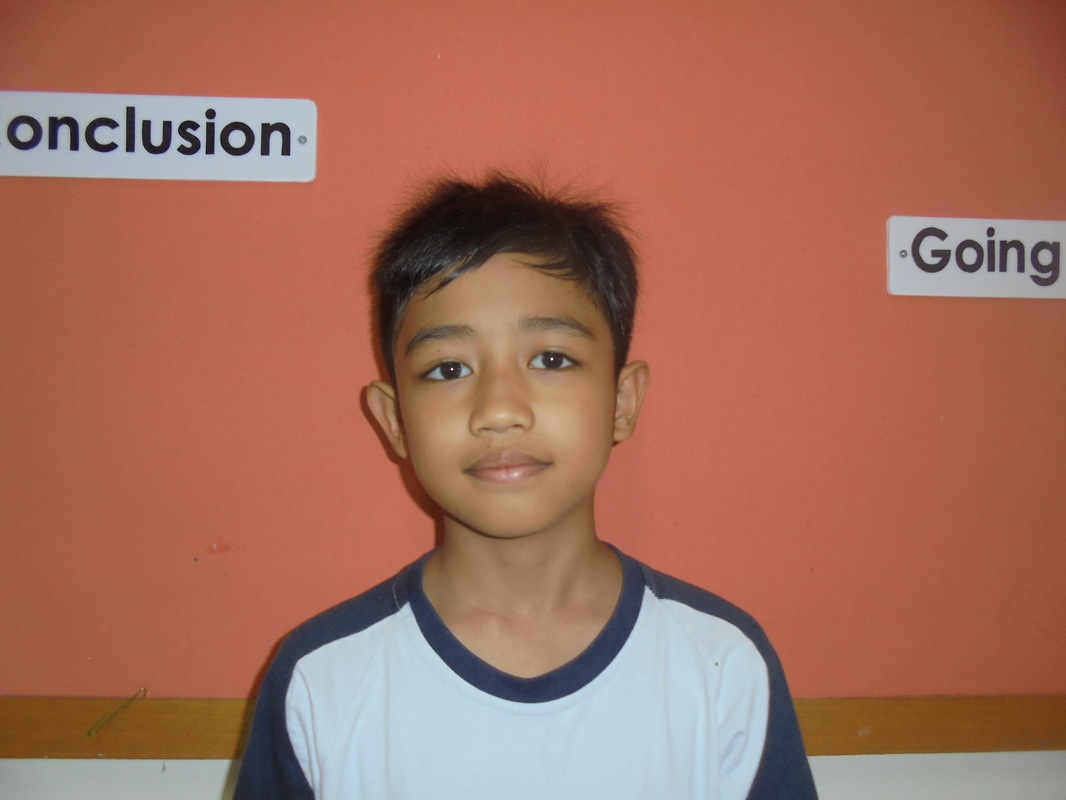
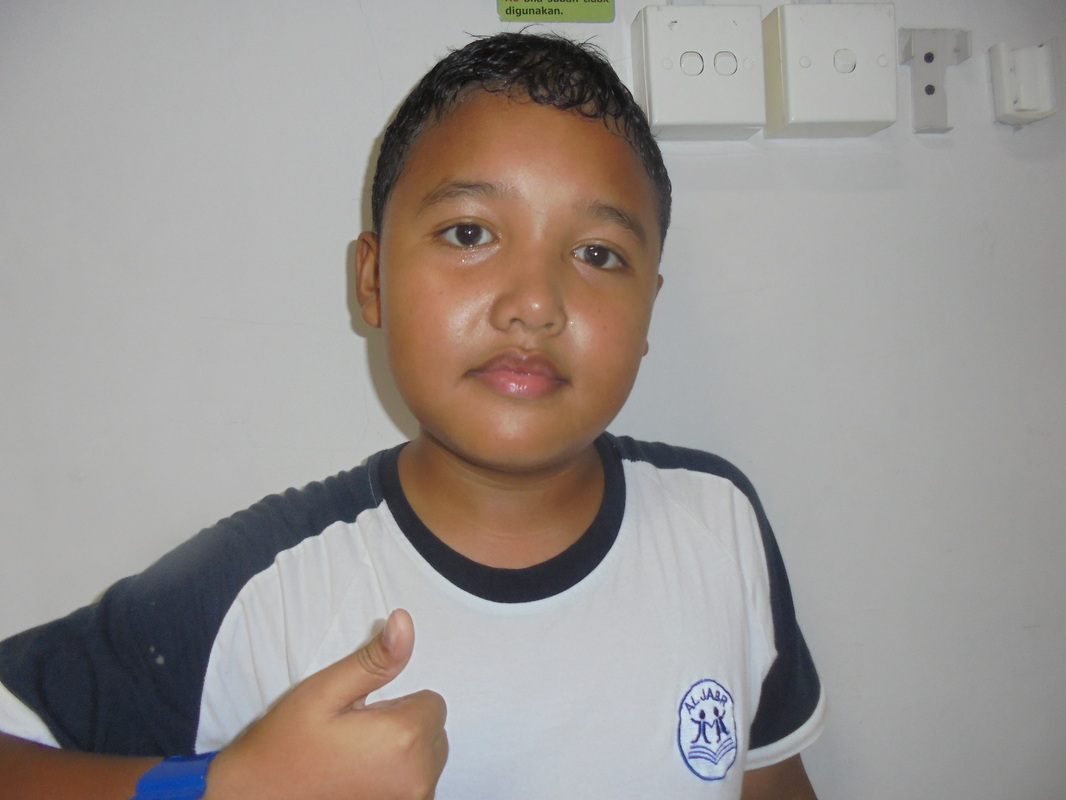
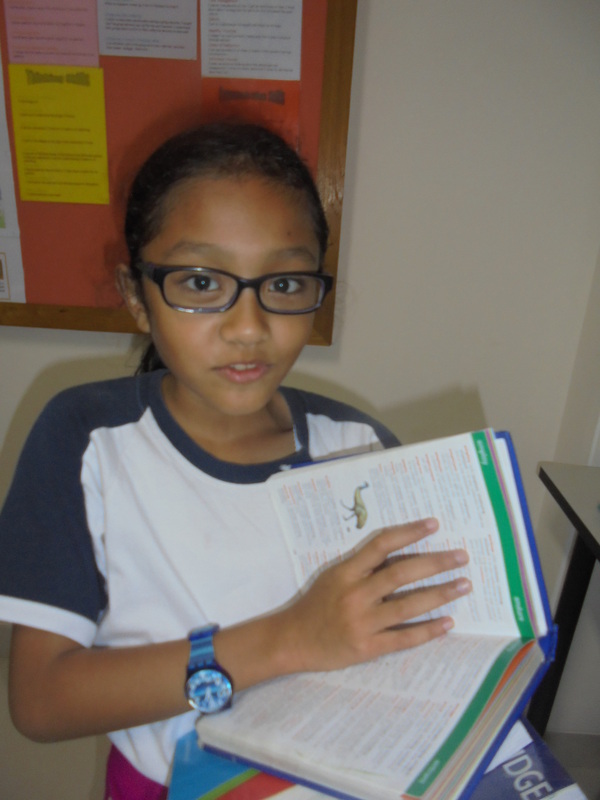
               Sabian                           Sean                                   Naila
Naila's Journal
Sabian's Journal
Sean's Journal

Inquiry Cycle

1. Tuning in

Picture
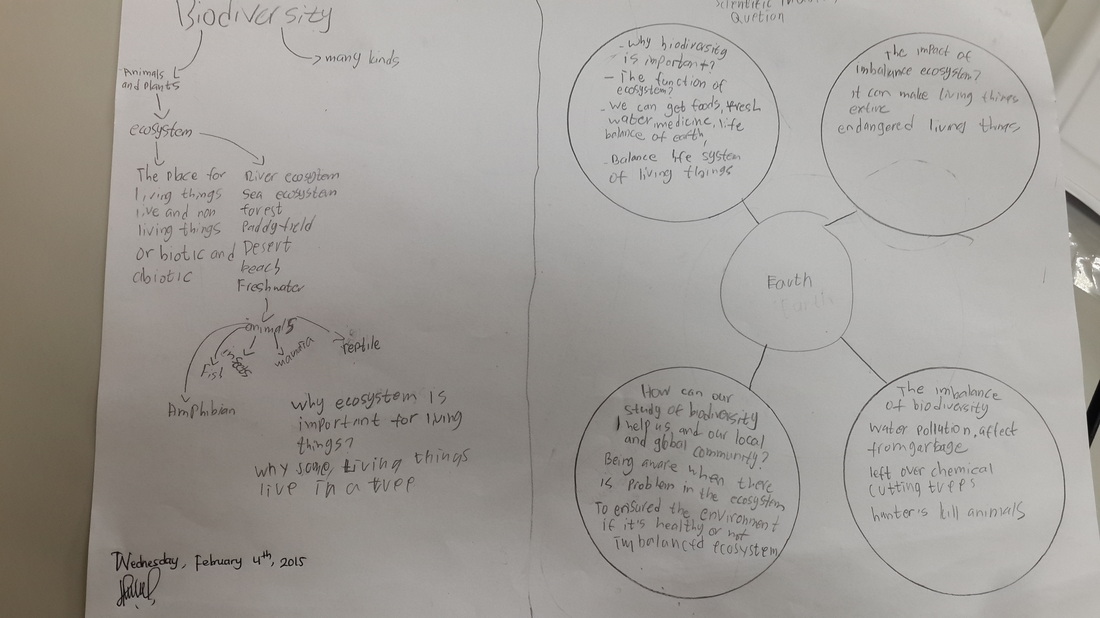
Scientific Inquiry Questions:

What is biodiversity?
Why is biodiversity important?
How can our study of biodiversity help us and our local and global community?

What is your plan to finding out?
Where and how could you find information about?


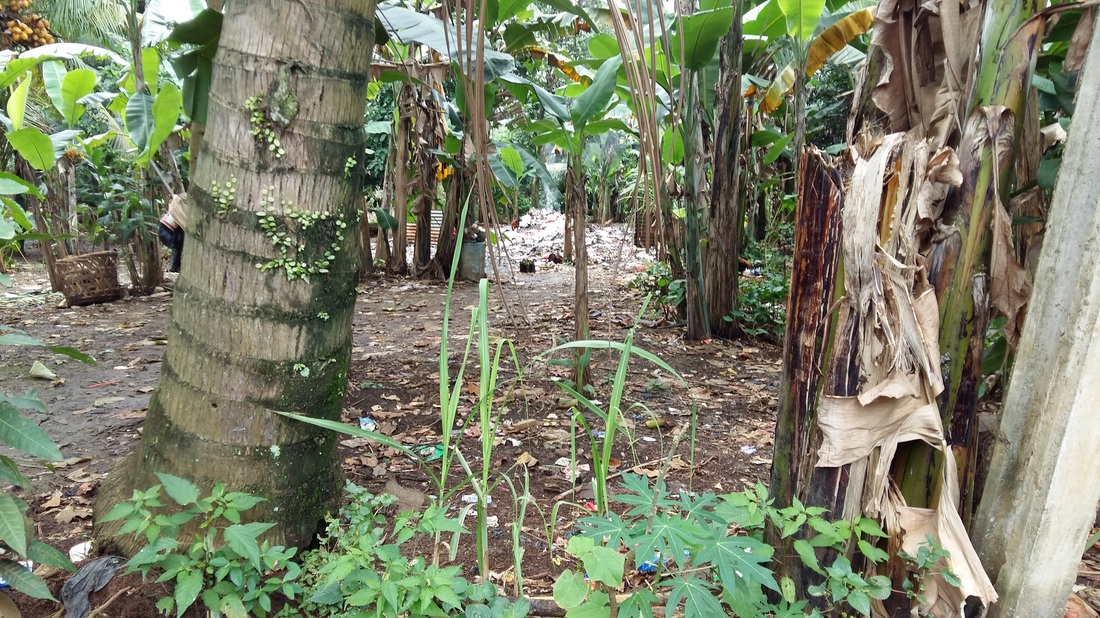
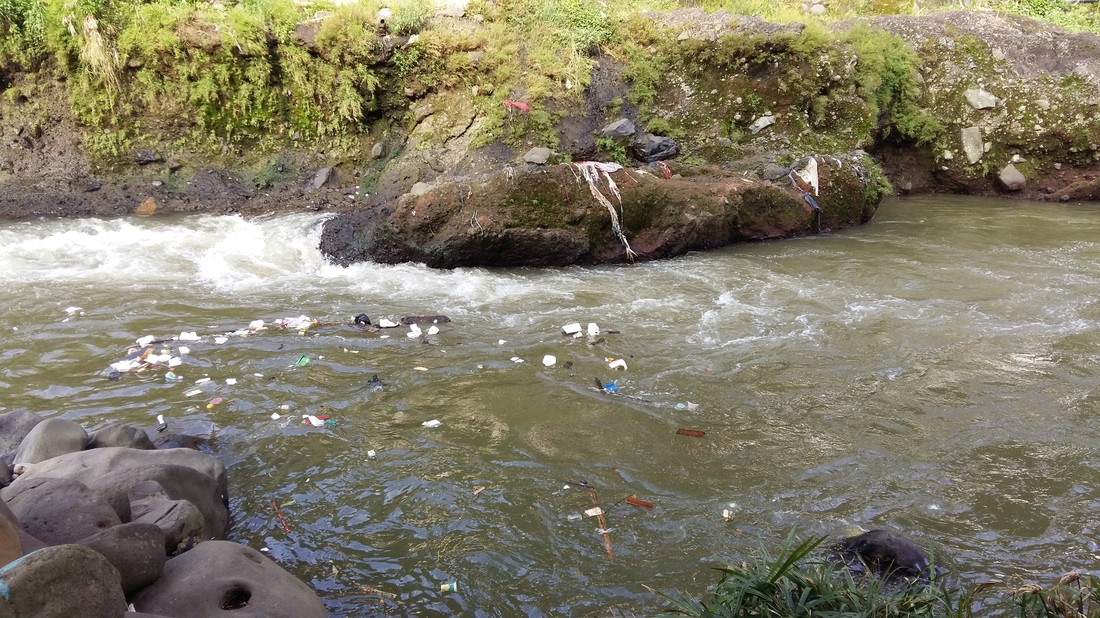
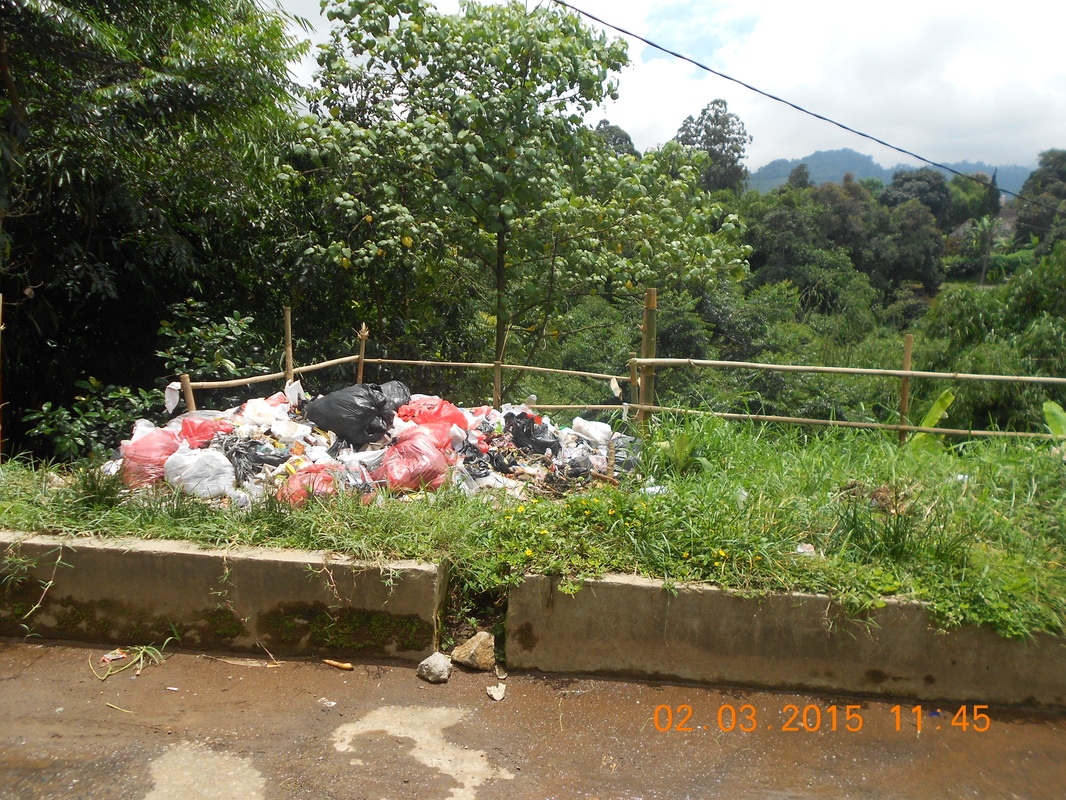
A local example of imbalance river ecosystem within community:

2. Finding Out

What are we going to learn more about?
*Ways in which ecosystems, bio mes and environments are interdependent

Understanding of bio mes
Aquatic bio mes in the freshwater
The important plants and animals to freshwater
People and freshwater ecosystems
Water pollution

Resource: World Bio mes - by Kids Do Ecology

What are we plans now?
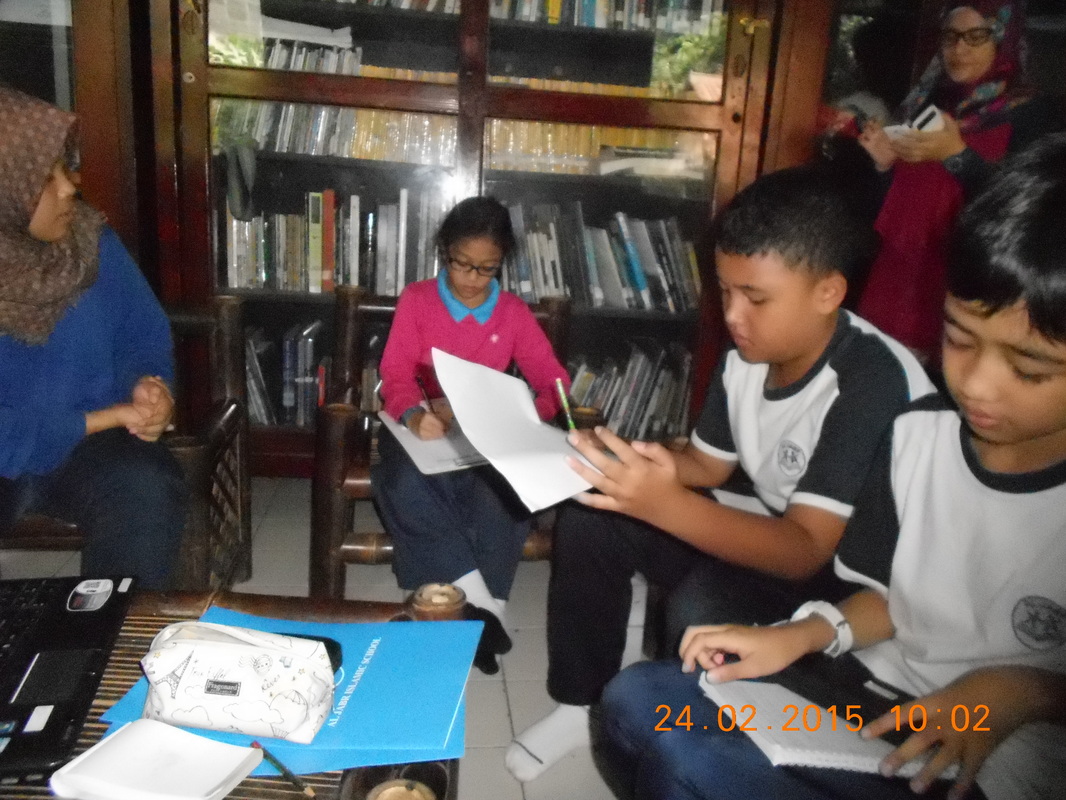
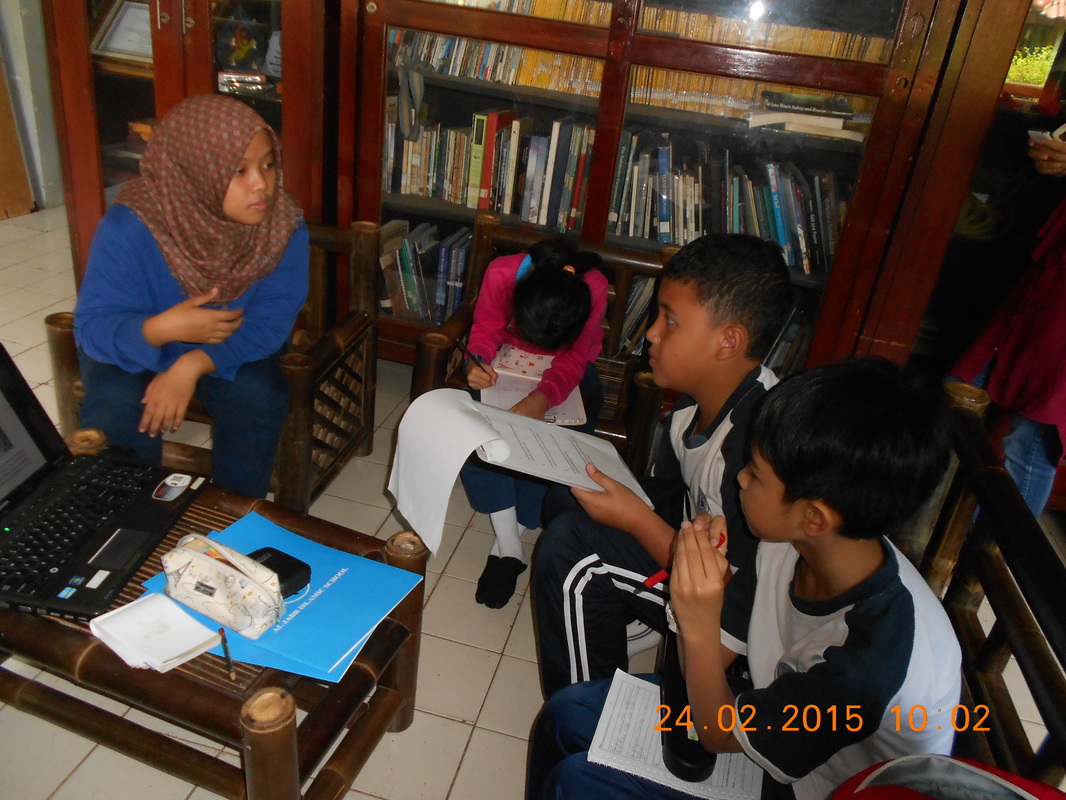
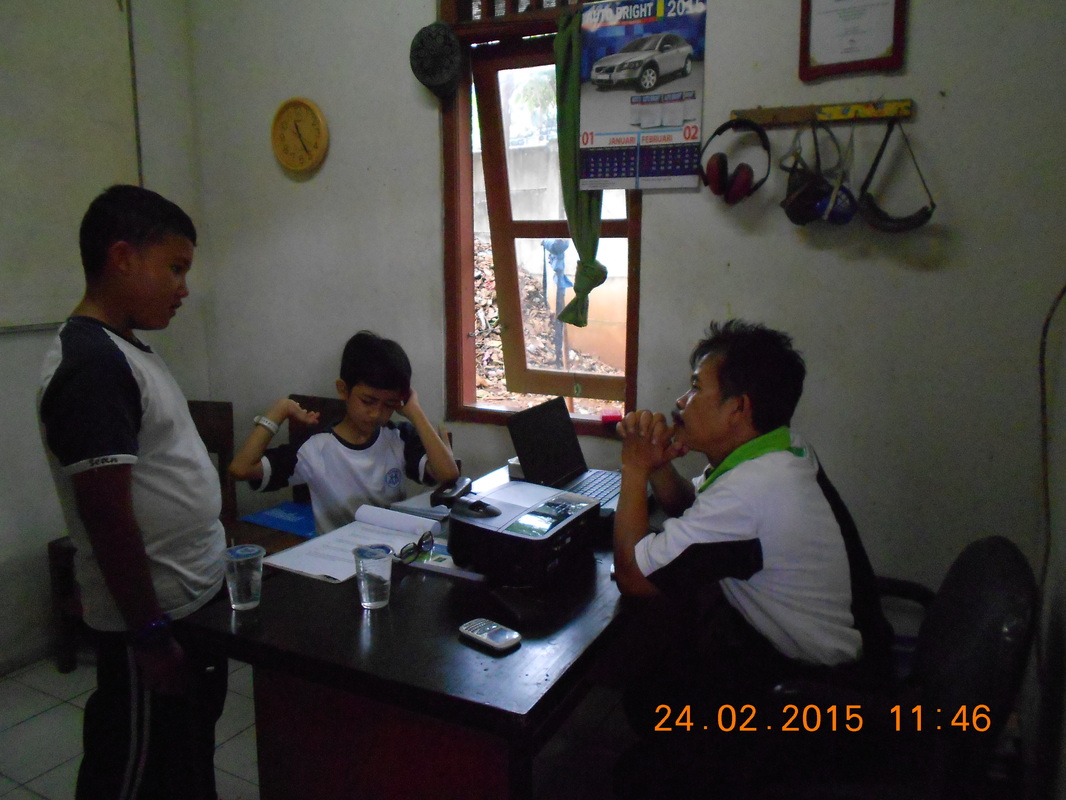
1. Interview Mr.Princy as an expert of science teacher
2. Visit Kementrian Lingkungan Hidup to investigate about:
Ecosystems and environments are overdependent
What do we need help with?
Find out information about people effect to the river that will impact endangered river ecosystems
Visit: Bappenas

Deputi Menteri Lingkungan Hidup Bidang Pengendalian Kerusakan. Lingkungan dan  Daerah Aliran Sungai, Deputi. Sumber Daya Alam dan Lingkungan Hidup,
How can they help us?
*Interview about human interaction with the environment which can effect the balance system
*To know he consequences of imbalance within ecosystems
*Government's roles and responsibility to dealing with imbalance river ecosystems.
Where and how could we find more information about...?

Interview and making connection with ;
-
https://www.facebook.com/komunitaspeduliciliwung
-http://cleanupjakartaday.org/id/misi/
- http://www.greenlifestyle.or.id/community
https://id-id.facebook.com/komunitaspeduliciliwung

What questions have been answered?
Do we have any new questions?

Governmental system in Indonesia

Your browser does not support viewing this document. Click here to download the document.

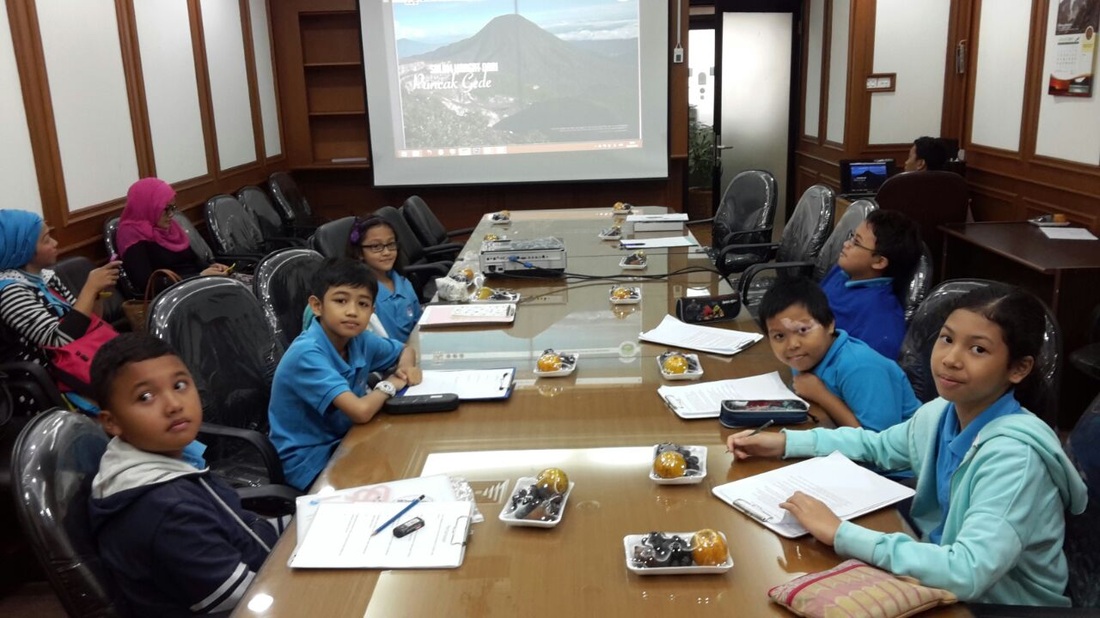
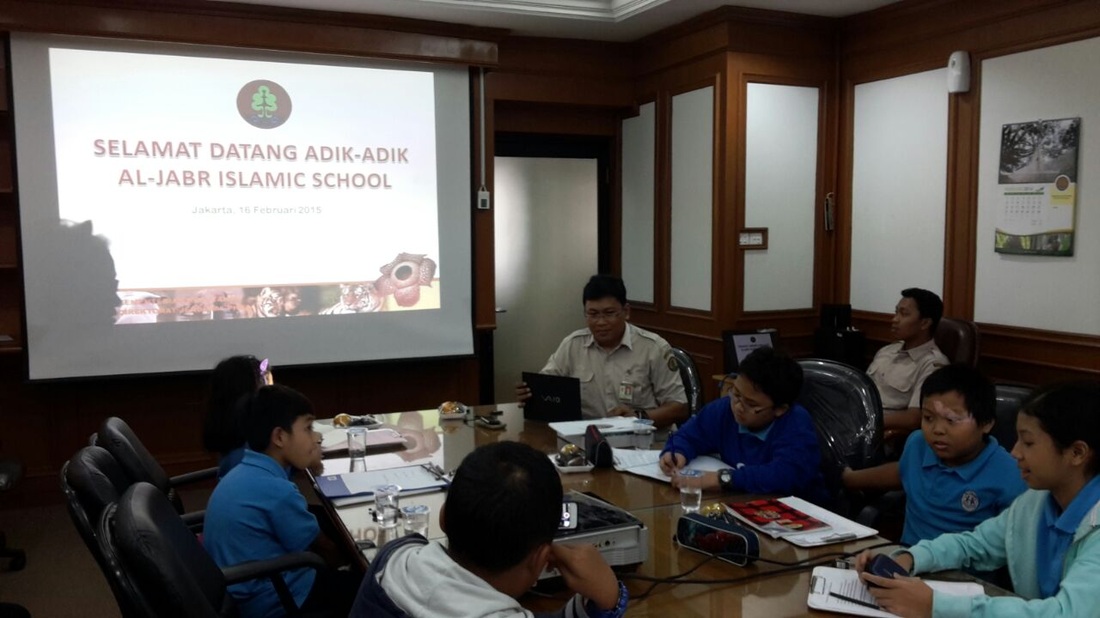
Field trip to Kementrian Kehutanan dan Lingkungan Hidup 

bksp-ciliwung.ppt
File Size: 632 kb
File Type: ppt
Download File

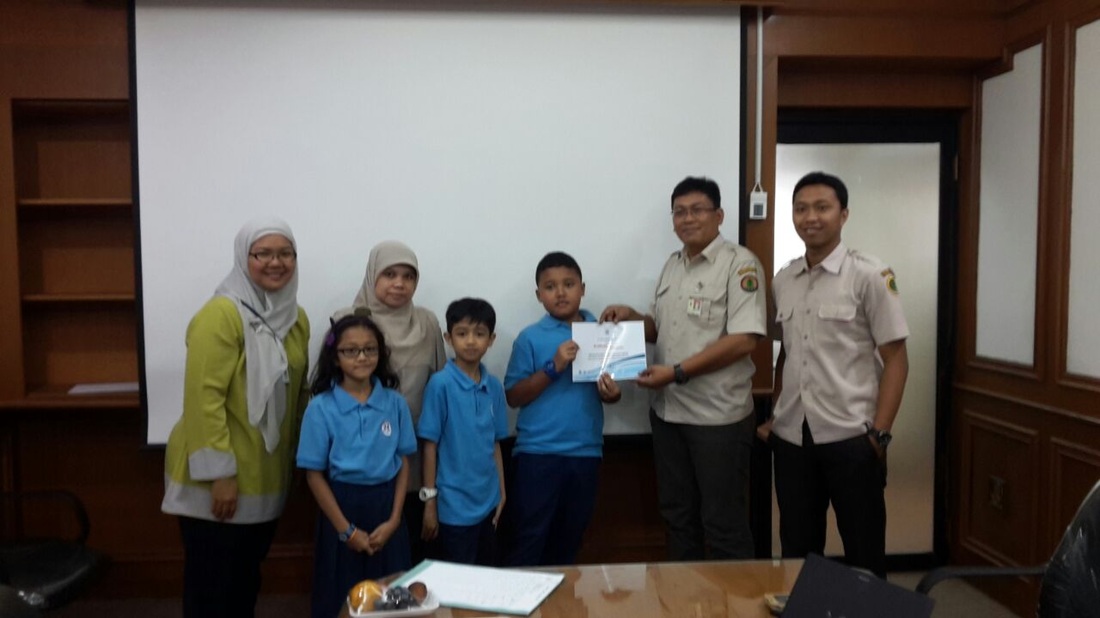
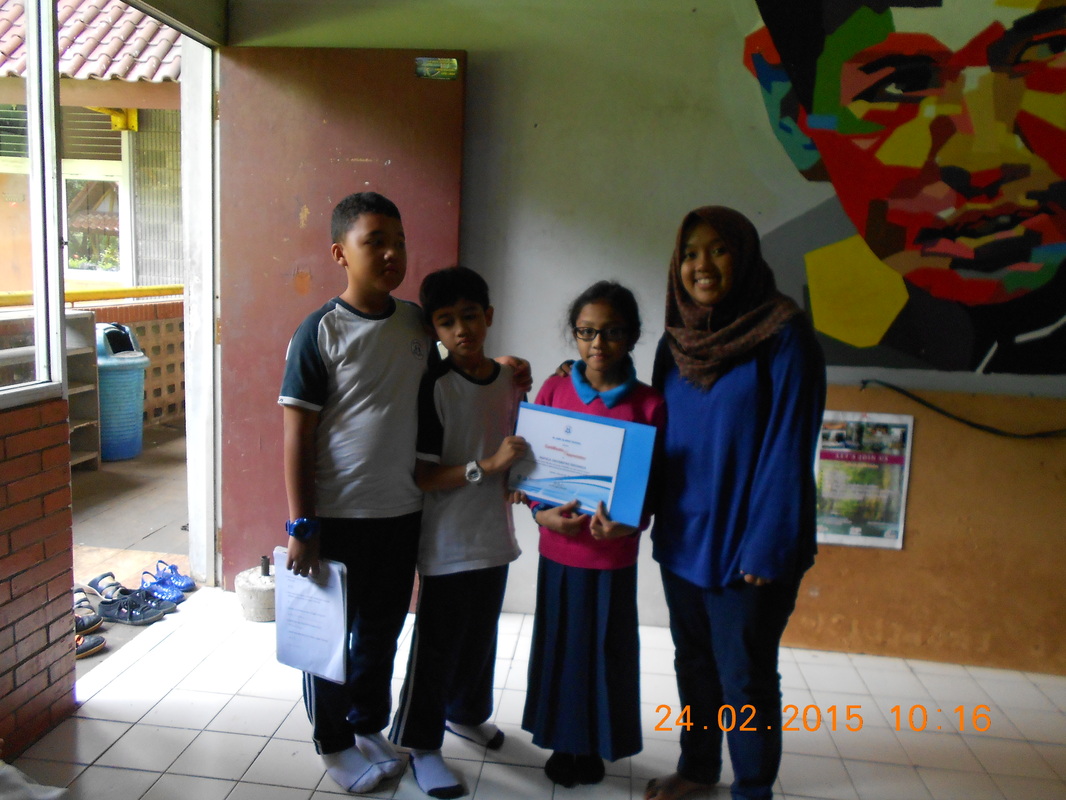
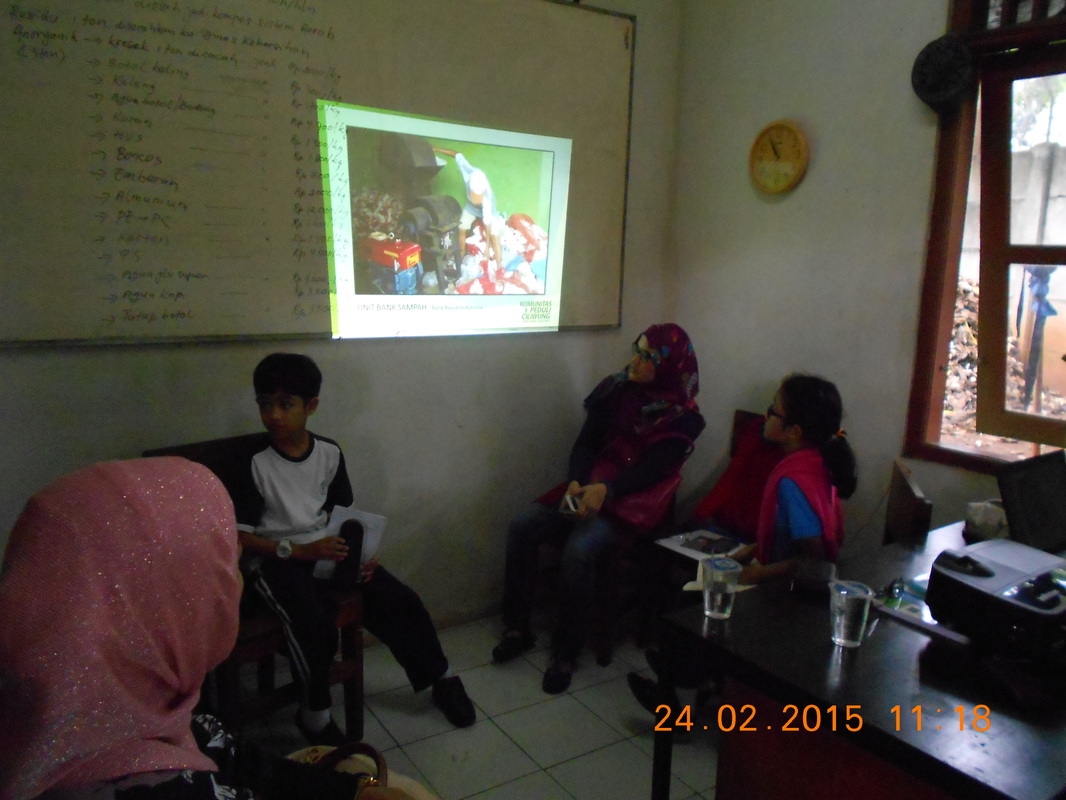
Gather information to MAPALA UI  (University of Indonesia) who has the same study to conserve of Ciliwung

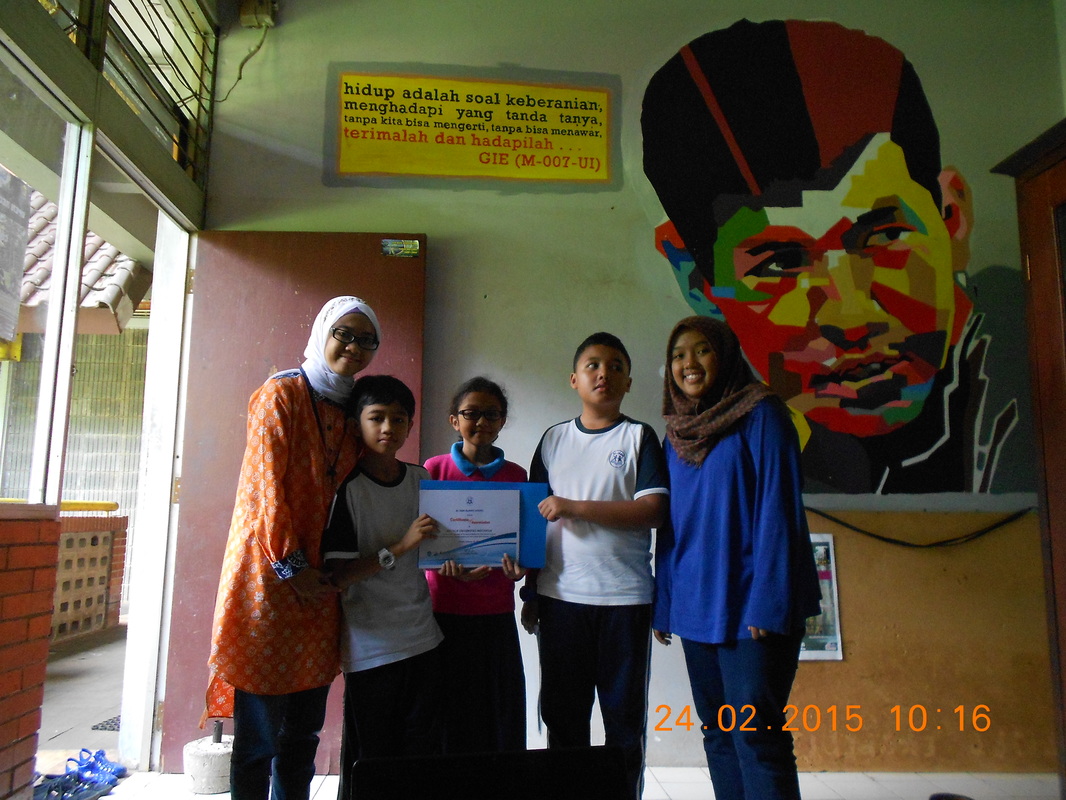
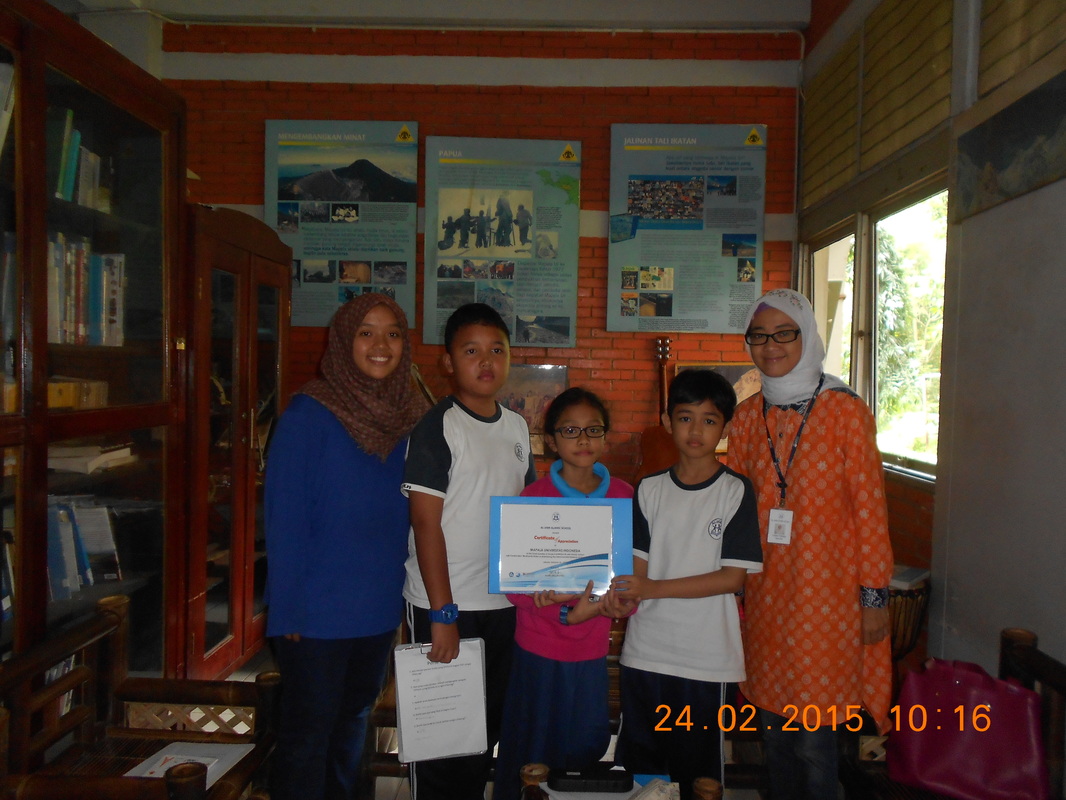
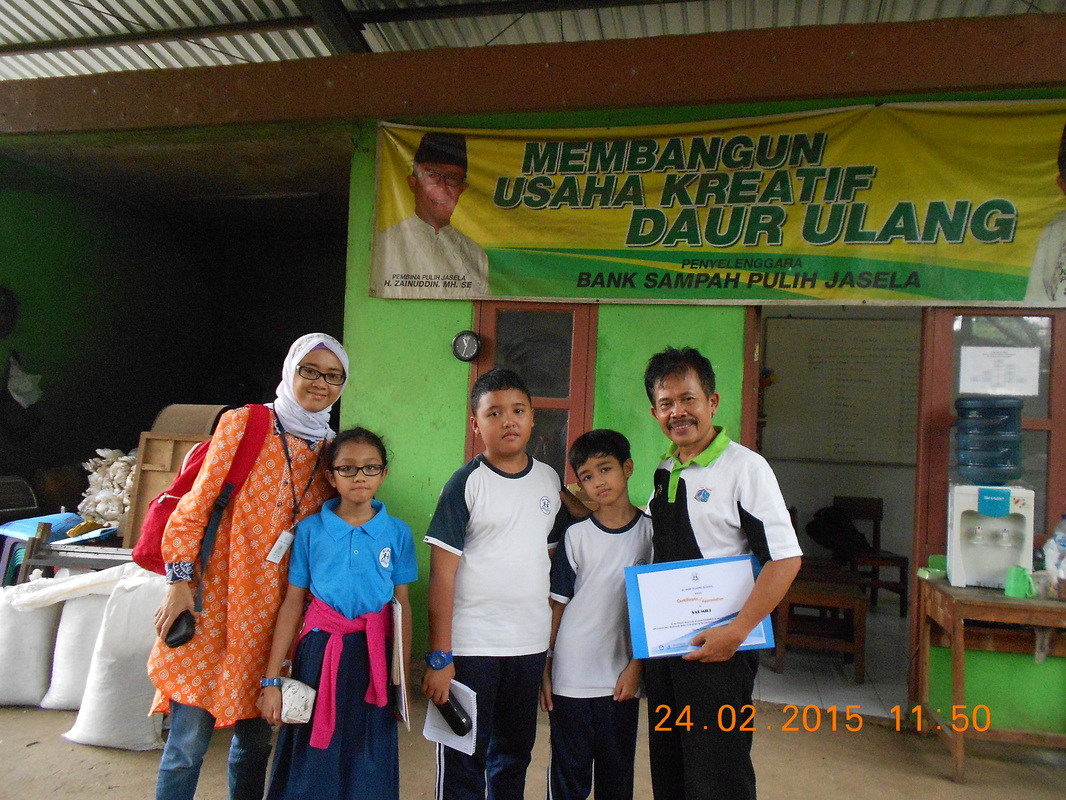
We get some of information from the student who is join in MAPALA UI organization, her name is Nisa, She has been join the organization two years and the activity concern on LPM (Layanan Peduli Masyarakat) to care of Ciliwung river, as we know that Depok as the middle of stream . Some of actions have been accomplish are River Adoption is a continuous program initiated by MAPALA UI with cooperation of various entities and individuals, focusing on making Ciliwung a better and useful river for society. It's a program that focuses on finding and providing well-financed guardians who are willing to help and support the communities along the river, actively taking care and fully responsible for the river’s condition. It includes funding the reforestation along the river, garbage management station, riverside park, and many other programs proposed by the local communities along Ciliwung.
Each region of riverbank settlements becomes ‘adoptable’, which means that adopters can run environmental programs during three years span. There are various programs available, from restoration, trash bank, recycling initiative, Ciliwung Park, society approachment, and many more.

Government's rules

  • Aturan
    • Kepmen LH No. 115 / 2003
    • Kepmen LH No. 35 / 1995
    • Permen PU 06/PRT/M/2011
    • Permenhut P.70/Menhut-II/2008
    • PP No. 35 / 1991
    • PP No. 37 / 2012
    • PP No. 38 / 2011
    • UU No. 7 / 2004

We have Observed  ciliwung river from upstream to downstream

Cilembeur Waterfall

Telaga Warna as part of head of stream ciliwung

https://konservasidasciliwung.wordpress.com/aturan/permenhut-p-70menhut-ii2008/

_http://travel.kompas.com/read/2015/03/04/202213827/Sehari.Berwisata.Alam.di.Kawasan.Puncak

What have you learn?
How will you organize this information?
How will you record this information?
How will you  communicate  this information?

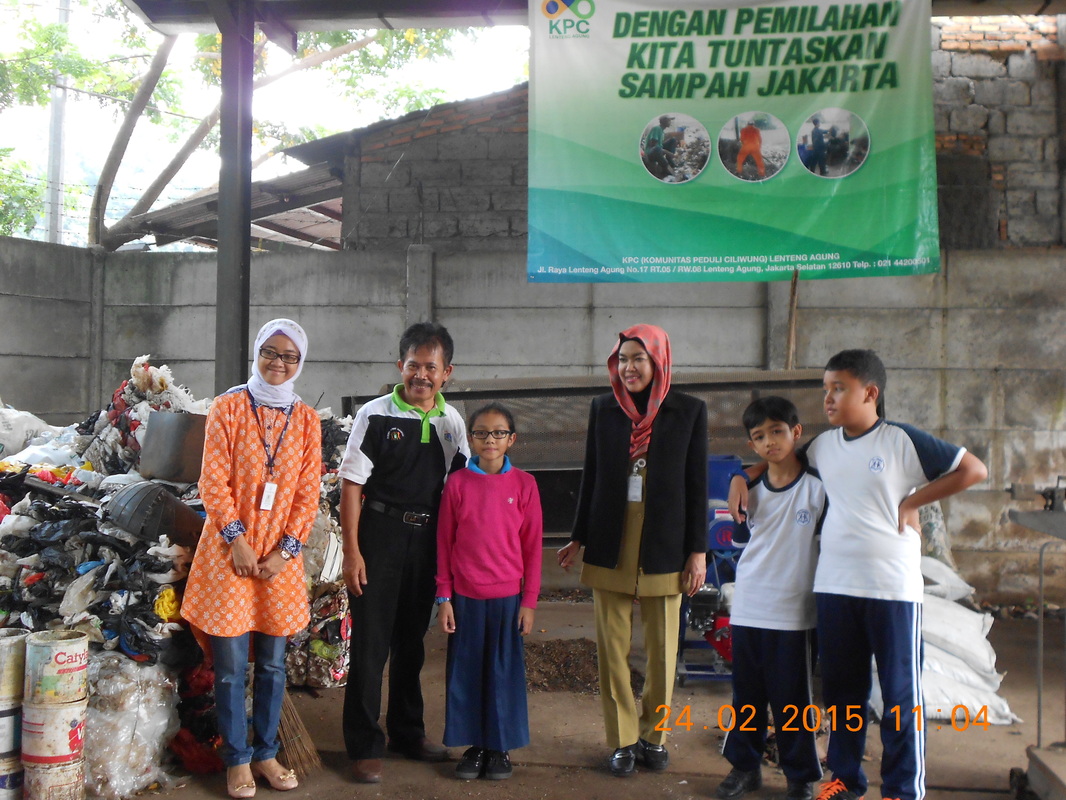
Conservation Ciliwung river's Foundation  by KPC (Komunitas Peduli Ciliwung) branch of Lenteng Agung

3. Sorting Out
We had survey in different places (Local school community river, Depok river and Puncak / Head, middle and down streams)

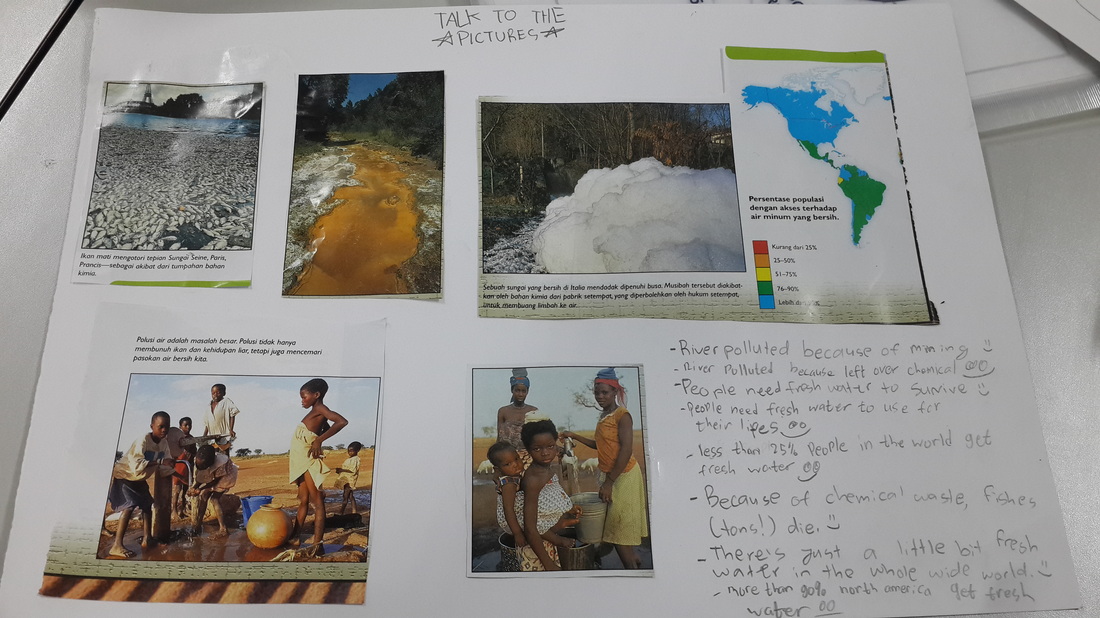
Causes of river pollution
Urban/run off, Litter/Garbage,Industrial waste, Logging, Mining.
So what has caused the rivers to become so polluted, and the water so unusable?
We have
many factors lead to water pollution of this extent, one of the main ones urban/run off. The nitrates and phosphates found in sewage, and in fertilizers, also lead to an over-stimulation in the growth of aquatic plants such as algae. An excess of algae clogs up the waterways, uses up dissolved oxygen as it decomposes, and blocks light to deeper waters. This in turn is very harmful to aquatic organisms such as fish, as it inhibits their respiratory ability. Another factor contributing to water pollution is the large amount of rubbish and waste deposited into the river by inhabitants of the riverside. All of the above are known as municipal pollution, pollution caused by homes and commercial establishments. Add to those factors industrial pollution. Large amounts of industrial waste are deposited into the river system every day, allowing hazardous substances to flow freely in our precious water. Last, but not least, agriculture plays a significant role in polluting rivers. The erosion caused by crops devastates the river systems, and is the leading cause of water pollution in countries such as the US.“For the Ciliwung River especially, the problem is quite serious. This river is integral to Jakarta’s water supply and is a very strategic source to all of West Java.”
“We have spent a lot of time researching and identifying the problems in the Ciliwung River, and have discovered that each segment has a different problem. For example, upstream, the problems are caused by human waste, In the middle section of the river however, the main problem has to do with people’s sanitation habits. They dump waste and garbage, which is detrimental to the water quality.” As well in the below stream.
“We definitely think the situation is getting worse.” very important we address the problem, and put more effort into improving the quality of the rivers, and in turn, the water quality in Indonesia.

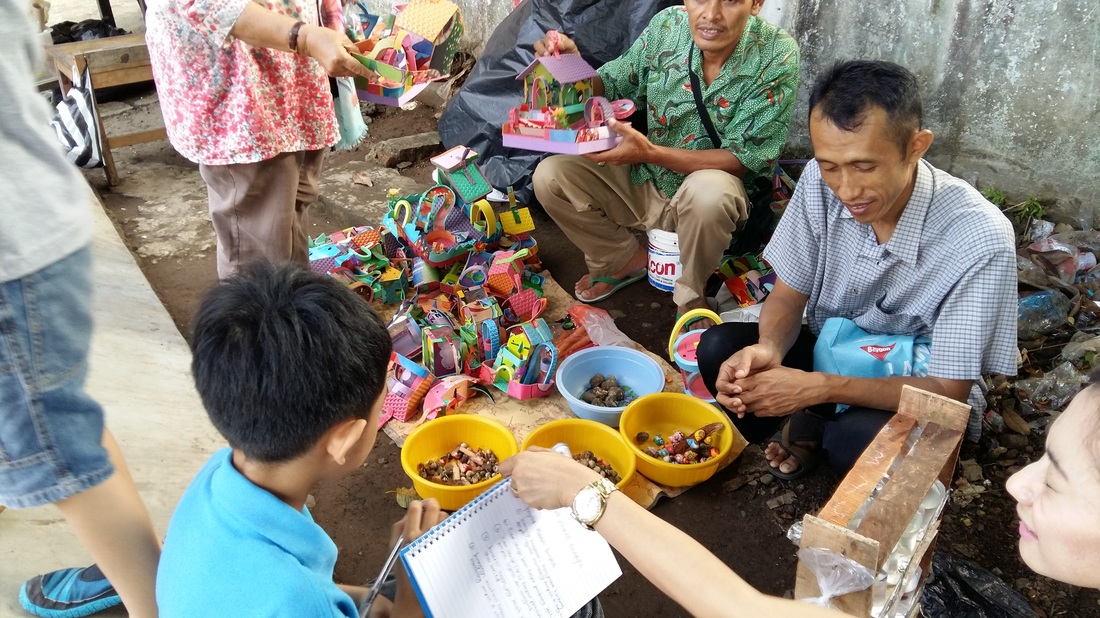
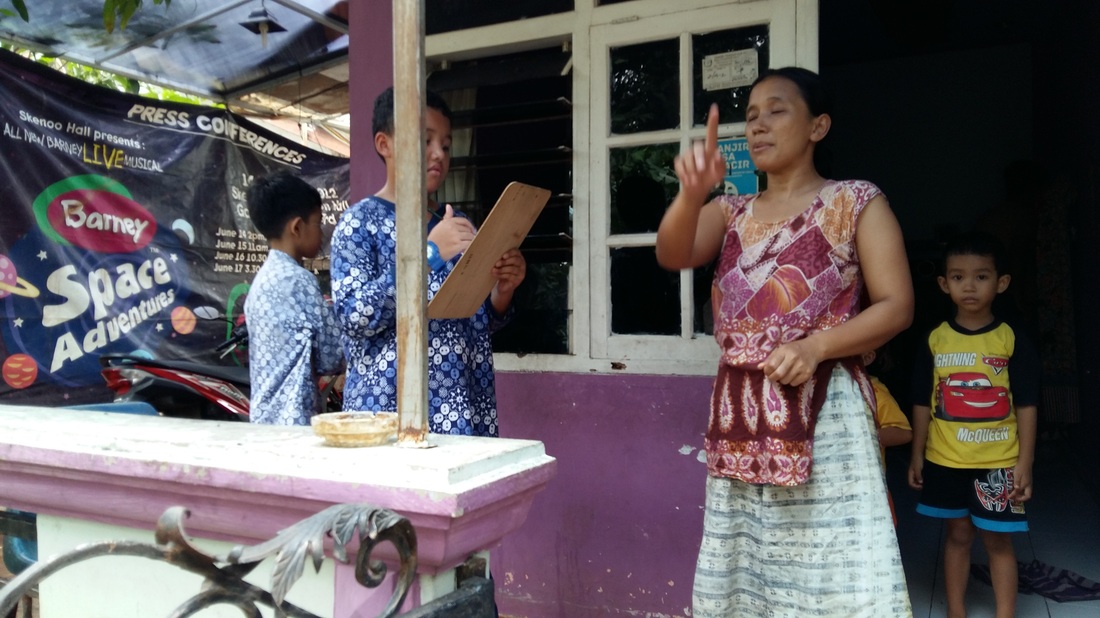
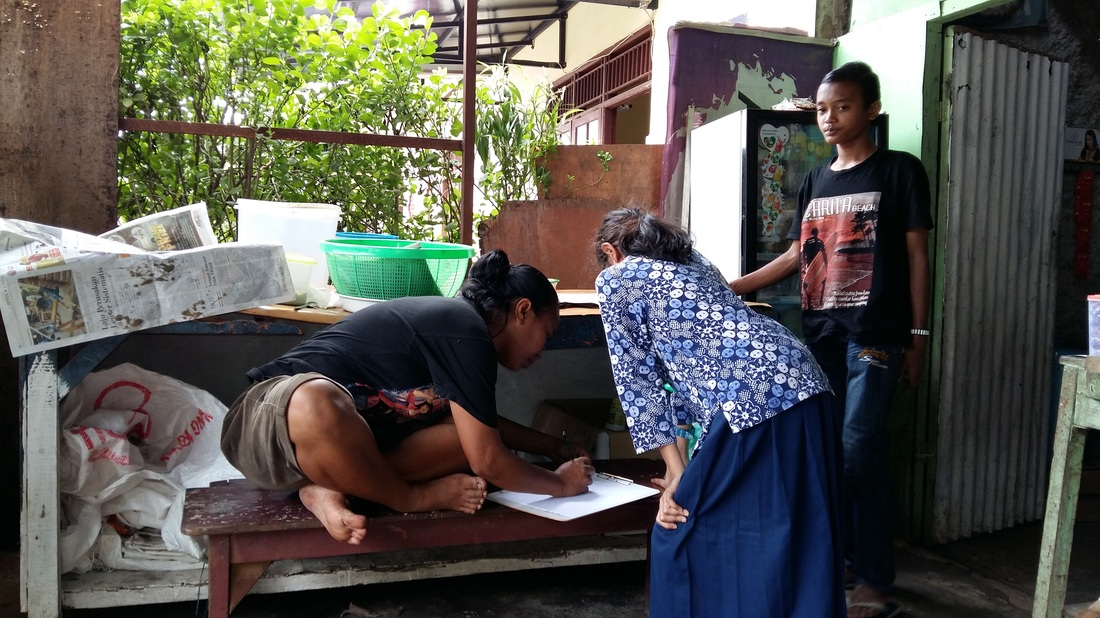
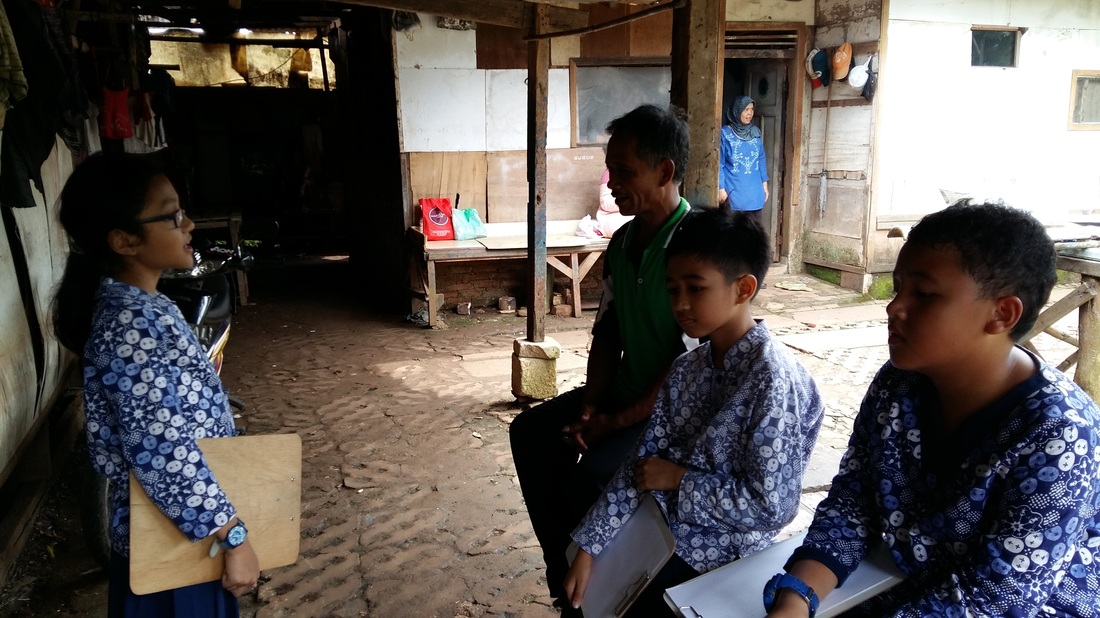
Interview people who live near the river community in different places

Picture
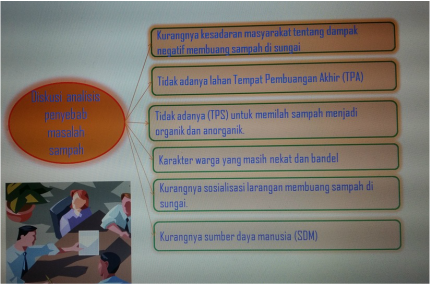
What people's response for causes  analysis garbage problem from 20 respondent:
1. Mr. Dedi, Mr.Muriawan, Mr.Arivin, Mr.Deni, and Mrs.IIs, Ibu.Misah, Ibu.Maisaroh
answer that people lack awareness what is negative impact if they litter in the river.

4. Going further

Ciliwung Lenteng Agung Conservation community

What would you like to learn more about? Why?
What will you do first/next?

What is the story from the picture above ...

CILIWUNG DI MASA KECILKU: Aku begitu menyatu dengan Ciliwung. Selepas sekolah aku dan teman-teman bermain, mandi, menangkap ikan bahkan minumpun kami ambil dari mata air yang ada di tepian Ciliwung. Hari-hari ini kami lalui begitu indah. 40 TAHUN KEMUDIAN:  Semua telah berubah. Ciliwung tak tak secantik dulu lagi, Ciliwung tak ubahnya sebuah  bak sampah. Penggundulan lahan di puncak, sertifikasi tanah DAS, sampai kepada  pembuangan limbah pabrik semakin menambah derita Ciliwung. Kini ia sedang menanggung beban berat, Ciliwung sedang sekarat SAVE OUR RIVERS:. Aku berjanji kepada diriku bersama KPC LA, tampil  di barisan terdepan, berjuang untuk meringankan derita Ciliwung.KEBERHASILAN : Akhirnya beberapa tempat pembuangan sampah ilegal di DAS Ciliwung berhasil aku tutup. Aku mulai dikenal di BPLHD (Badan Lingkungan Hidup Daerah)  dan dinas kebersihan.

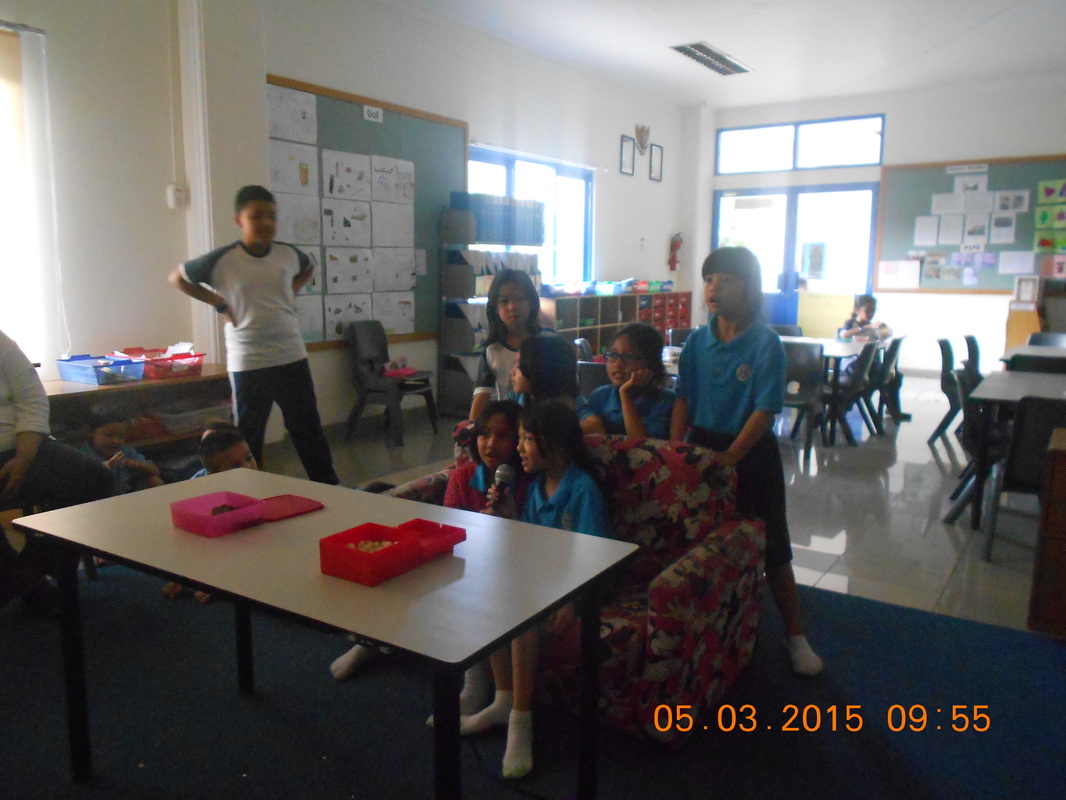
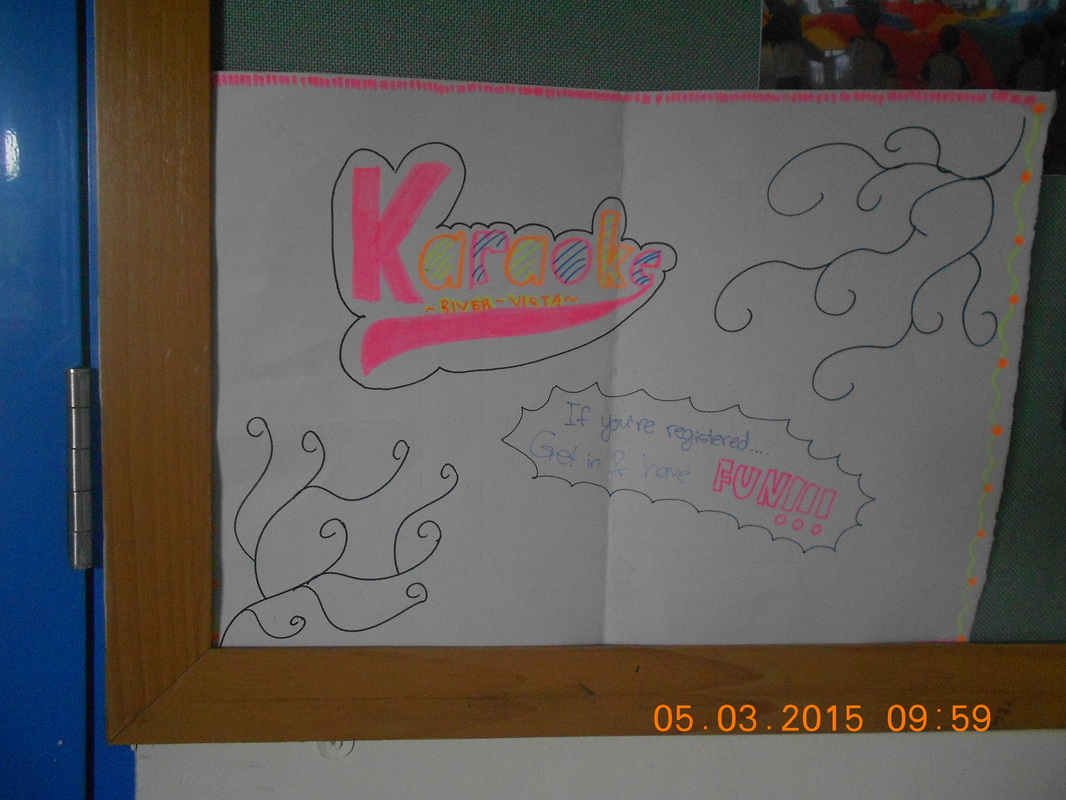
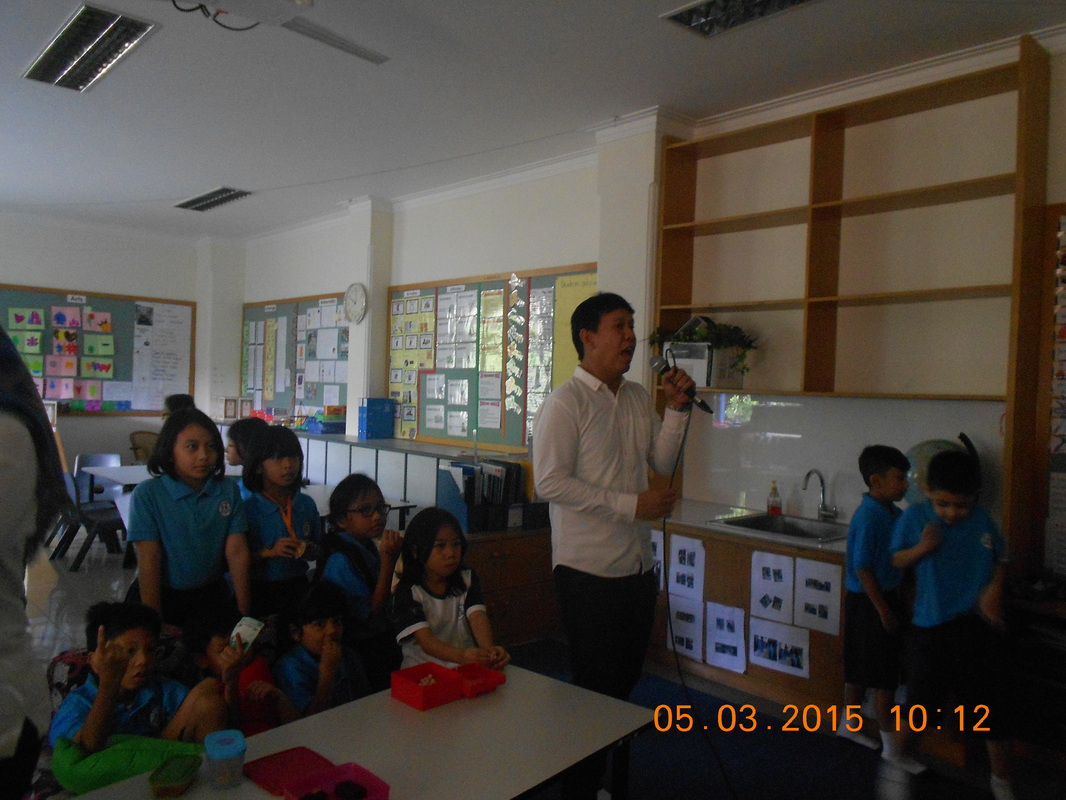
We have fund raising for the action (collect money for action in the class room - invited the students by having karaoke)

What We have learn?

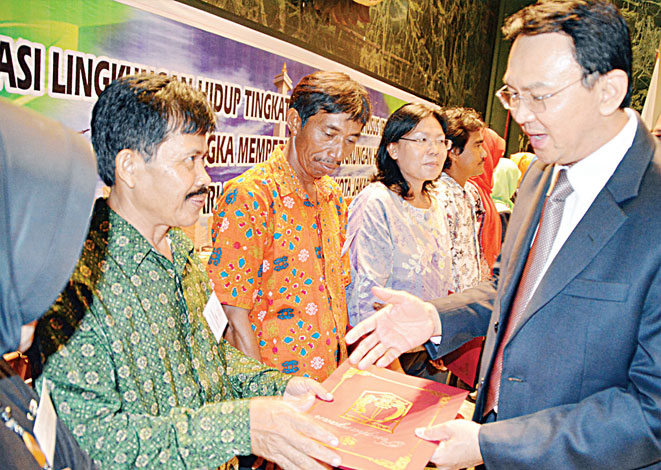
1. Pak Sarmili is one of our role model to save the ciliwung river
2. We started to focusing on our study to concern in river conservation

5. Making Coclusion

What is the interesting thing you have learnt?
What do you think we studied this topic?
How would you do this differently next time?
Contamination from human waste is the biggest cause of pollution in the Ciliwung. There is no organized rubbish collection for this area, so waste ends up in the river. 
It is important people do their bit in caring for their rivers and water canals.
People do care, But they need to collaborate, and replicate actions. We hope to get support from everyone, and become a movement of sorts. If everyone knows the issues involved, if people realize the problem, we can help them change their behavior, and change [the behavior of] companies. The only way to do this is by creating awareness, by educating people. For example, a simple step to take is to stop littering in the rivers, dispose of your rubbish carefully. The message is simple, and is known the world over, yet it seems somehow more difficult in practice.
“Yes, it is easy to see, but it will take more time to change people’s behavior.”
Your browser does not support viewing this document. Click here to download the document.

6. Action

What have you learn that you can now use in your everyday life?
What are your plans now?
How can you apply this knowledge/ skill in your everyday life?
What do you want to do as a result of your learning?

Interesting thing we have learned about river  will be apply for ourselves, school, local community, and others community

For ourselves:
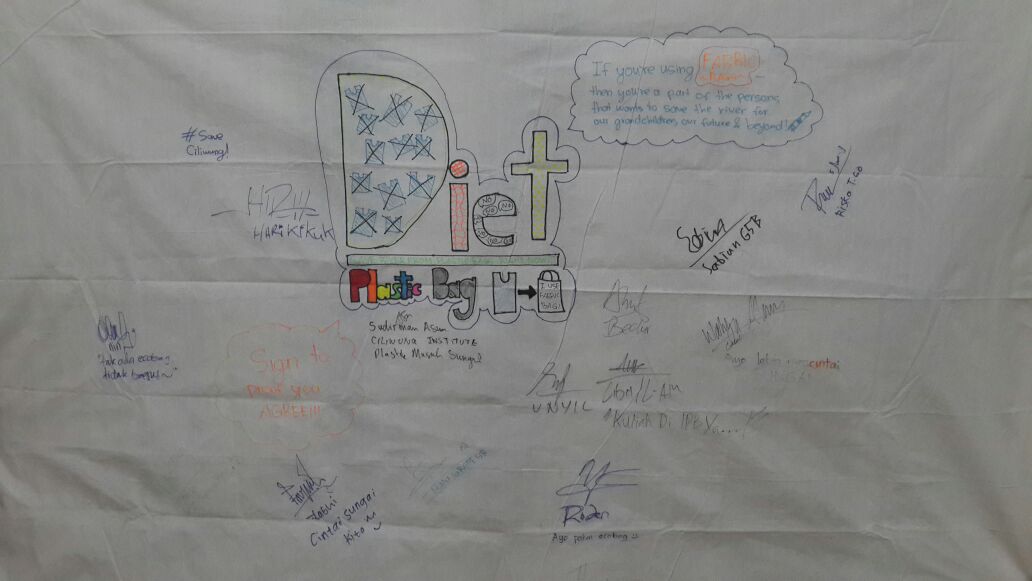
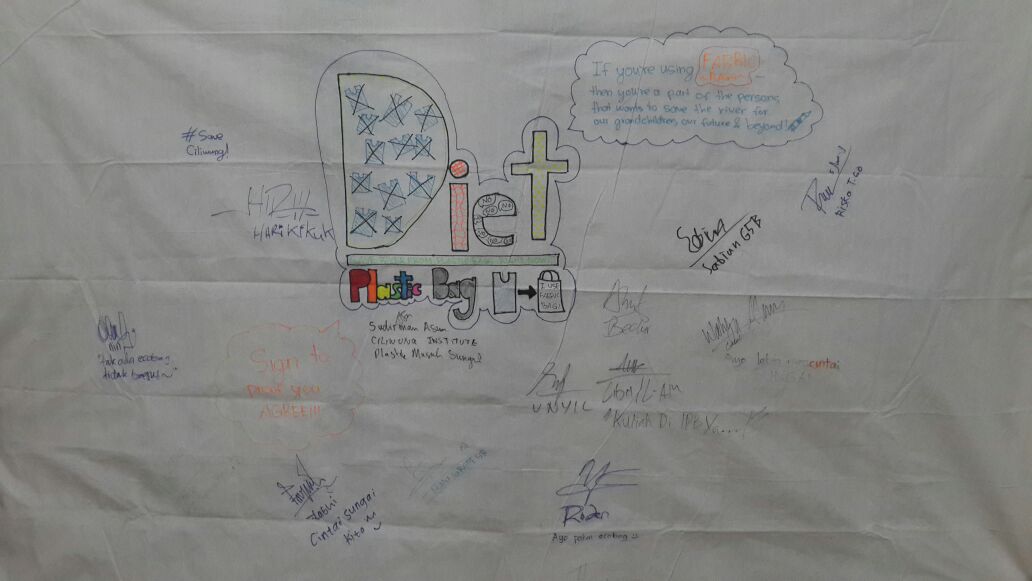
Sean: I have realize the important of river, by showing responsibility for any actions in my life, however I am not live in the river area but I try to manage waste at home and the next action I will try to minimize using plastics by using fabric bag, refill water bottle, always bring my own lunch and snack box and educate my family that river very important for living things include people depend on the river.

Naila: River is aquatic water which all living things depend on it, I live near of the river Kurukut and I have realize the important of the river and try to separate organic and non-organic at home before give it to trash-man who always get the trash around my neighborhood, it will be important to recycled.

Sabian: River is very important for animals, I save water at home because water in the river being pouted, only the head of stream area is clean water, the rest are polluted. The problem is because of over litter.

School's community

Unit resources:

Endangered Ecosystems – Explore different ecosystems as a part of a research team through this site provided by Scholastic
Habitats by the WWF provides information about different ecosystems as well as the issues they face
Threats to biodiversity from the WWF provides information about a variety of issues including deforestation, over-fishing, pollution and climate change. This site explains causes and impacts as well as possible solutions. Many ideas here for possible further research.
Ecosystem, National Geographic Education Encyclopedia (This is a longer article, but the photos are fabulous and the information is very useful).
Global Warming, National Geographic Education Encyclopedia
Invasive Species,  National Geographic Education Encyclopedia


Websites about Ciliwung conservation

https://konservasidasciliwung
.wordpress.com/total-solution-for-ciliwung/presentasi-total-solution/

http://ciliwungnetwork.
blogspot.com/p/komunitas-ciliwung-adalah-forum.html
http://www.ekowisataciliwung
.com/
http://www.runforiver.com/
http://puncak.org/
http://www.greensmile.or.id/article/detail/8/4
https://groups.google.com/forum/#!topic/waterjakarta/7ayqNSlGJL8
_

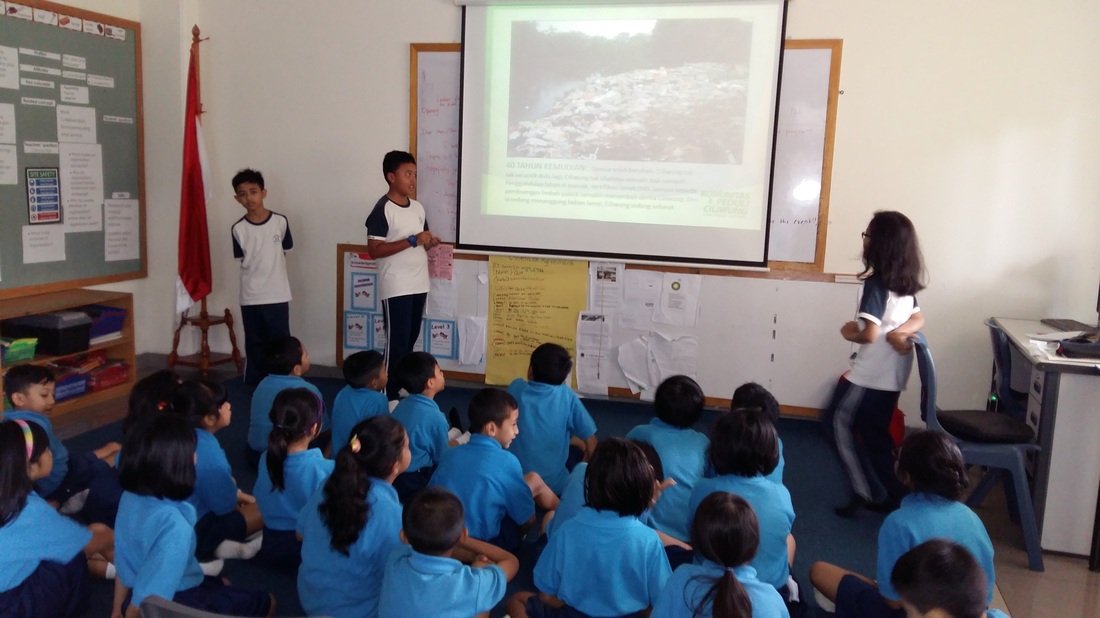
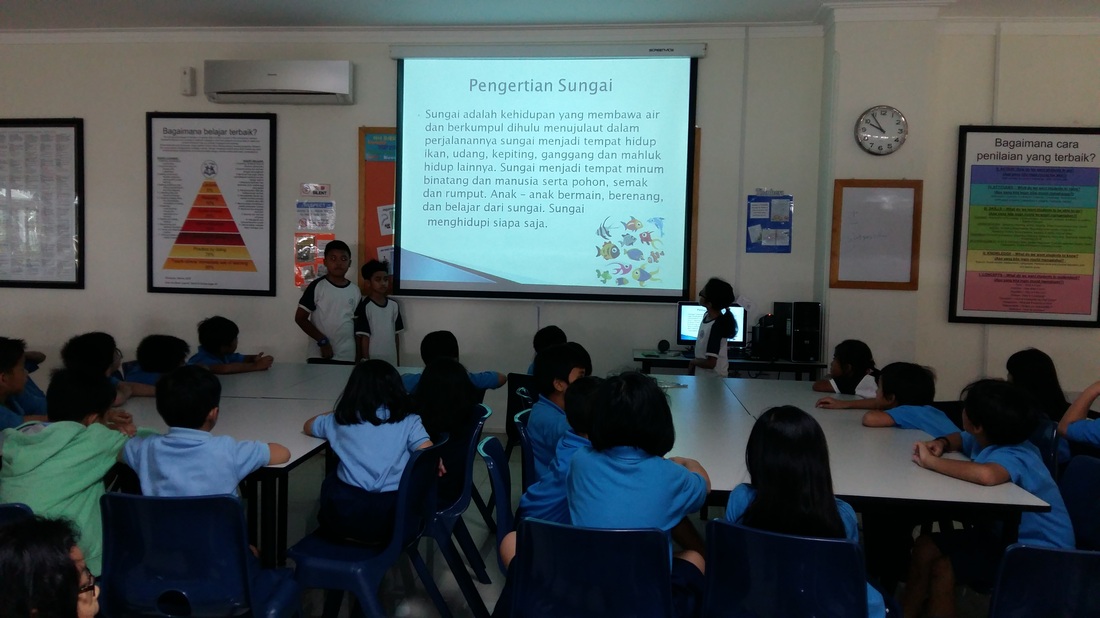
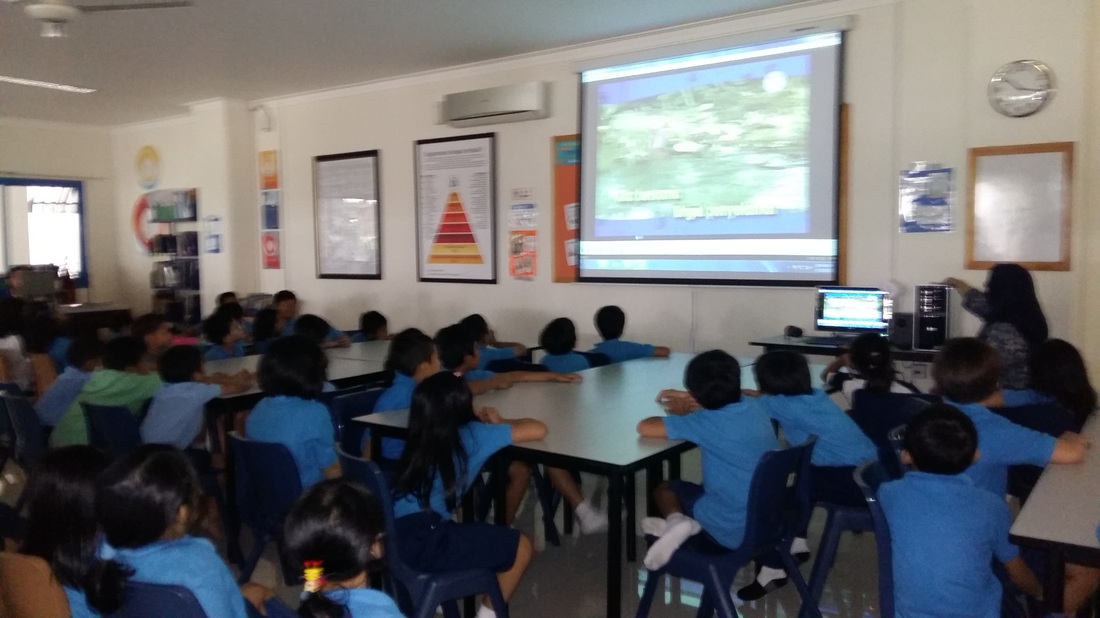
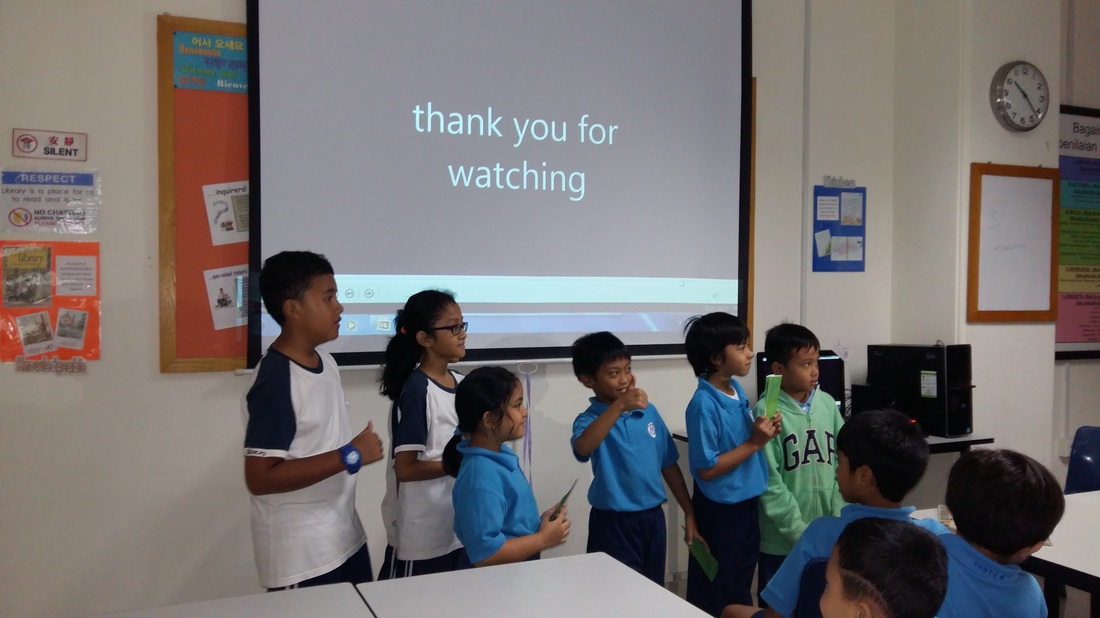
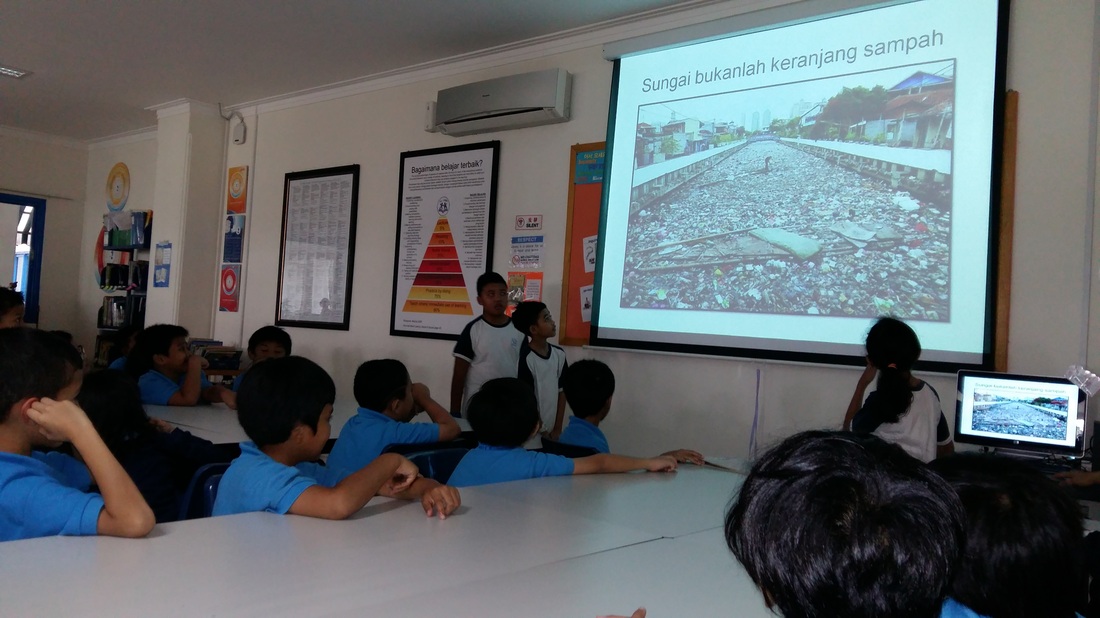
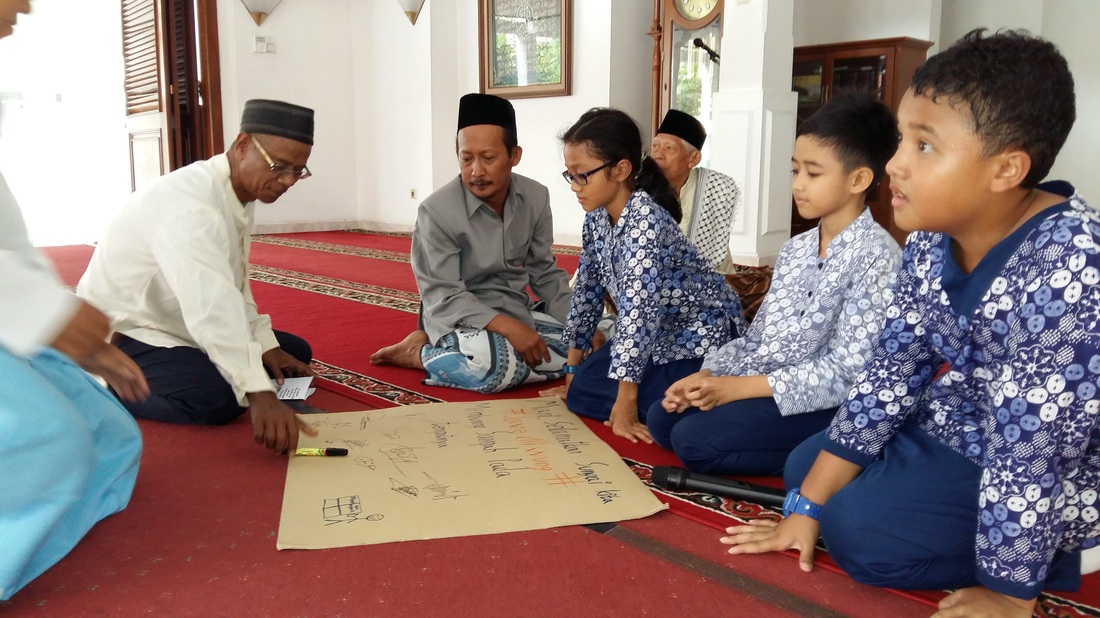
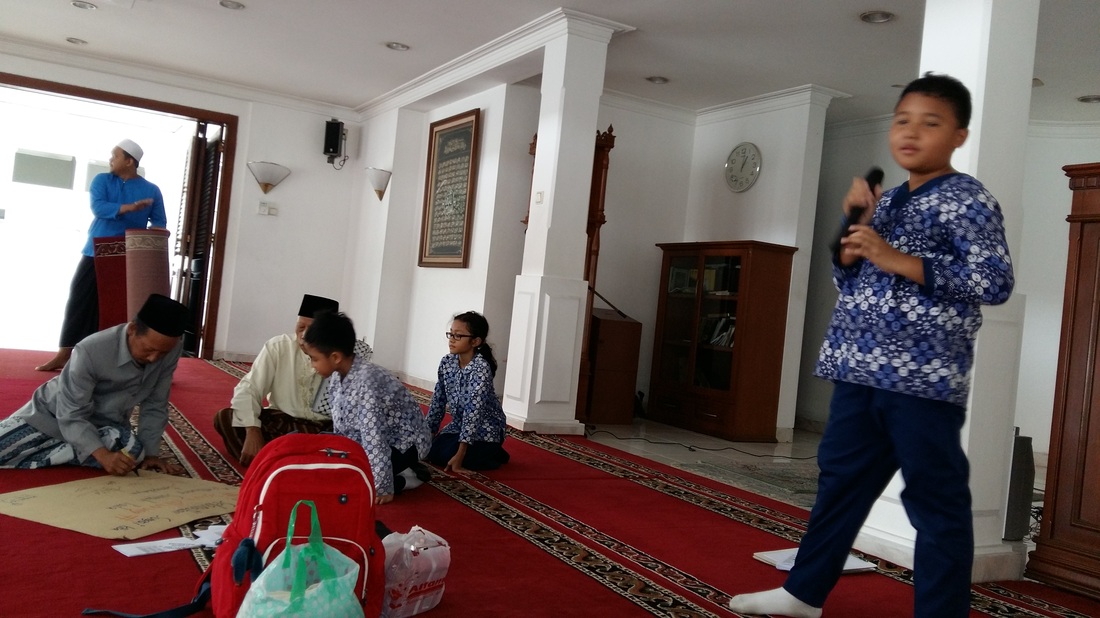
Slide presentation in the action at school ( We presented to grade 1 until grade 3 students in the library and grade 2's class)

Your browser does not support viewing this document. Click here to download the document.

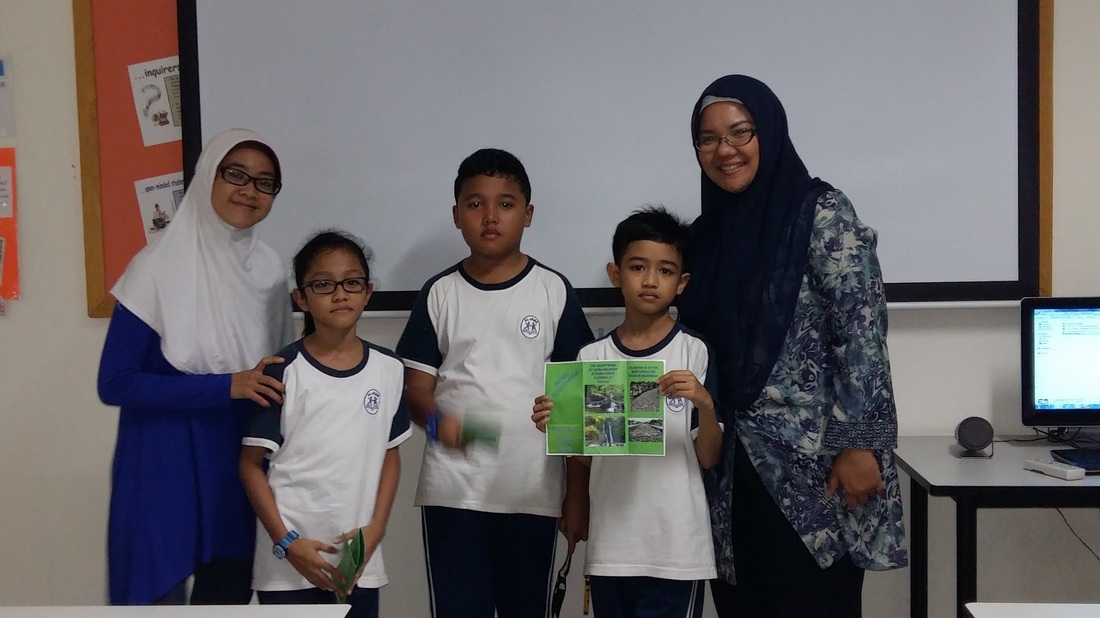
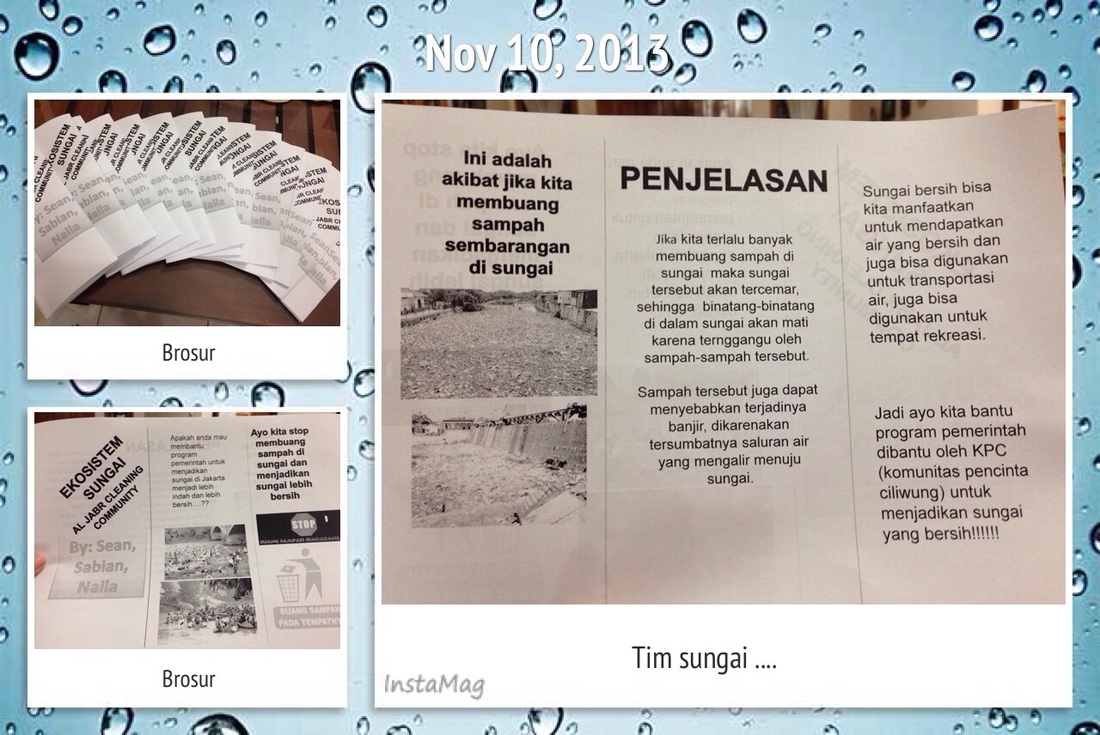
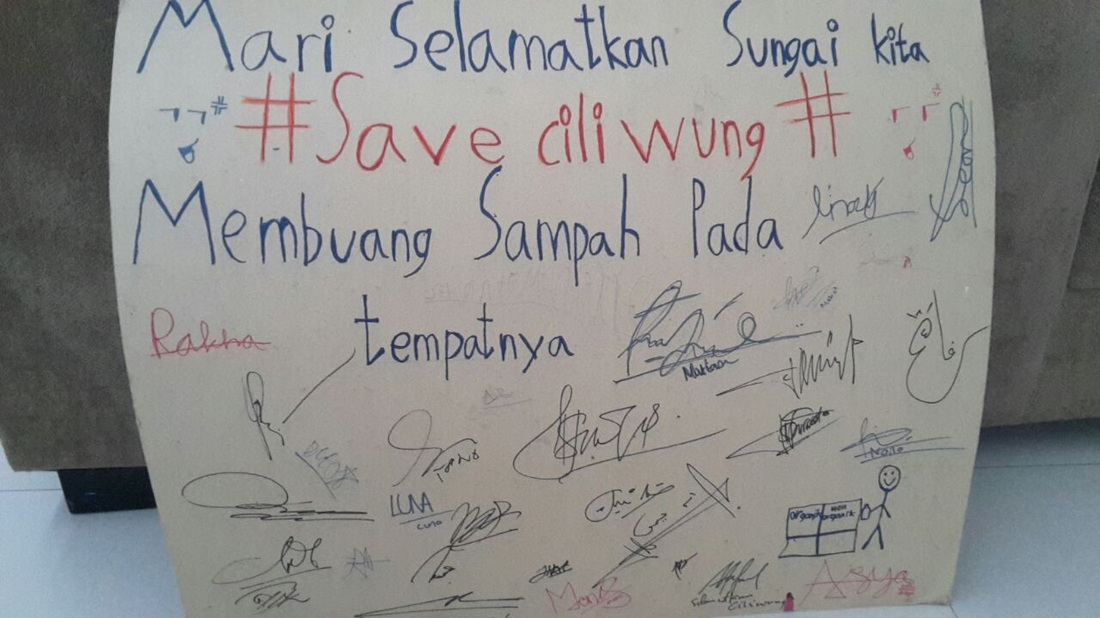
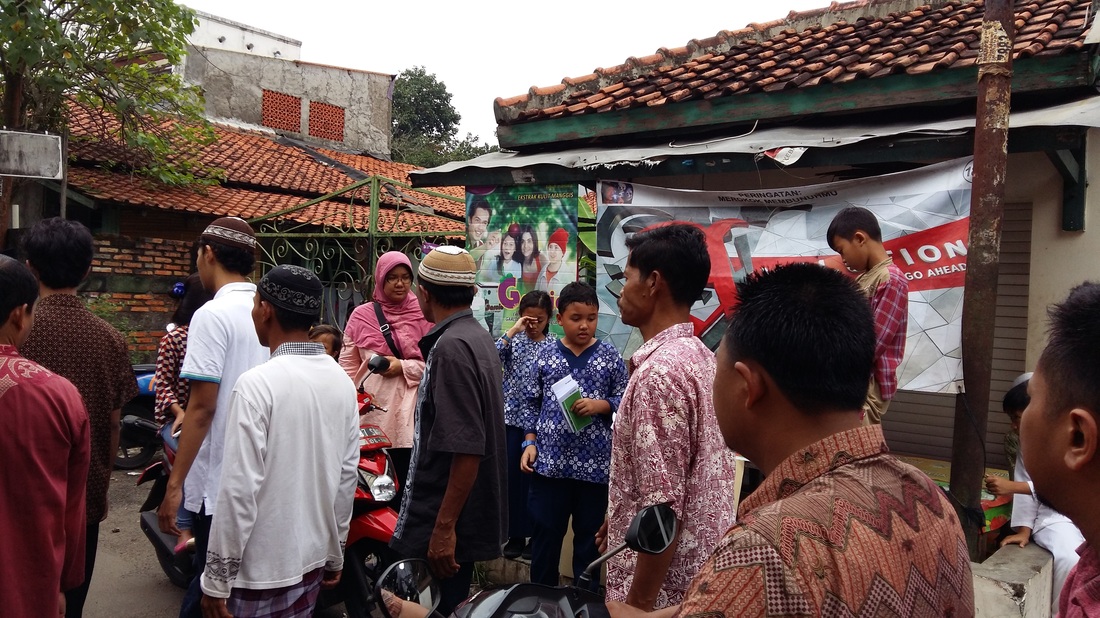
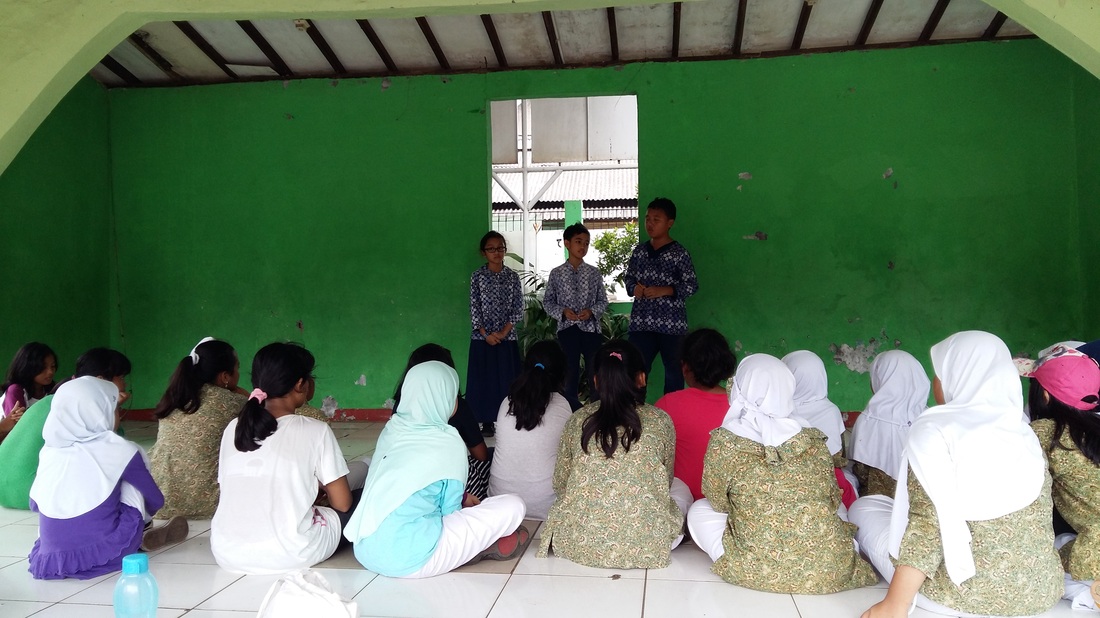
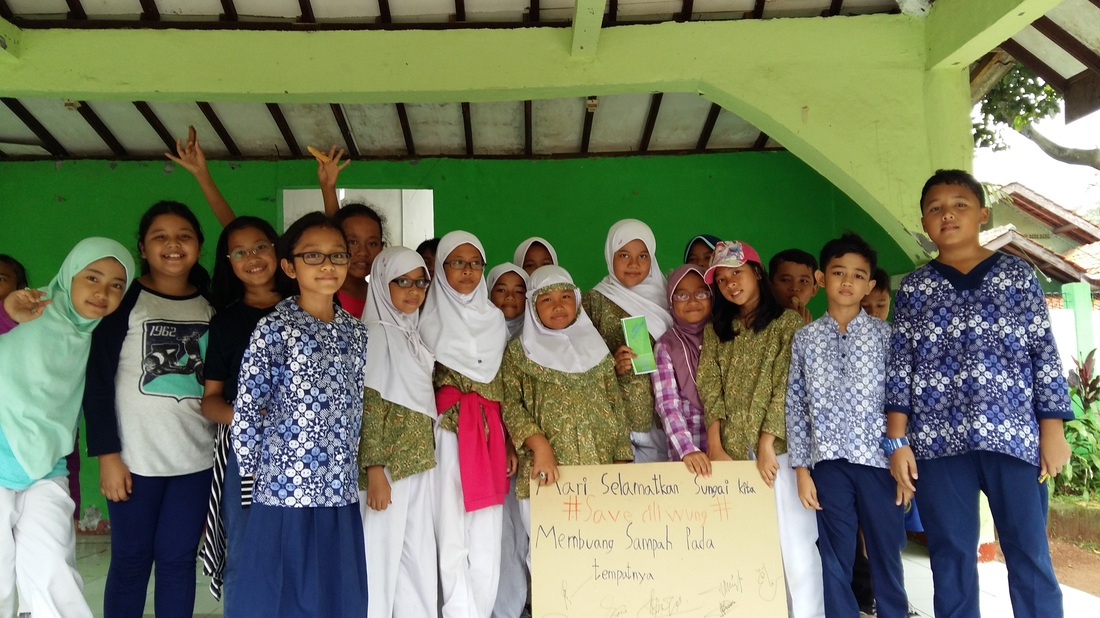
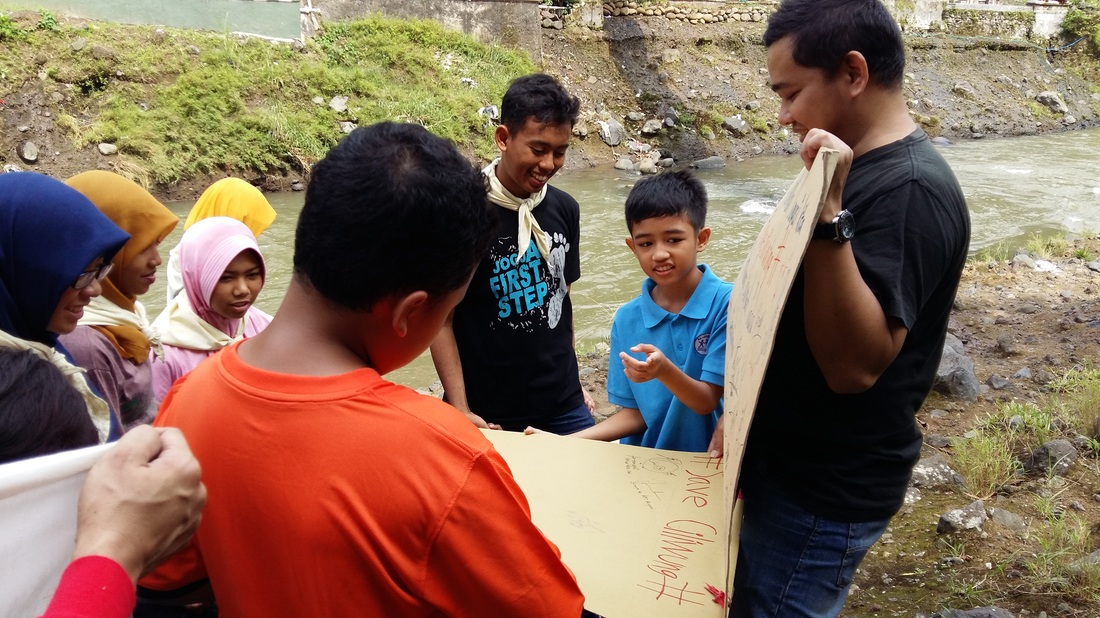
local school community (Sharing the important of river and distribute leaflets to the students in SD 13 and people who live near the river in Bango area

Sharing our trips in One Day to Puncak to explored Ciliwung river water sources

Your browser does not support viewing this document. Click here to download the document.
Picture
Picture
Picture

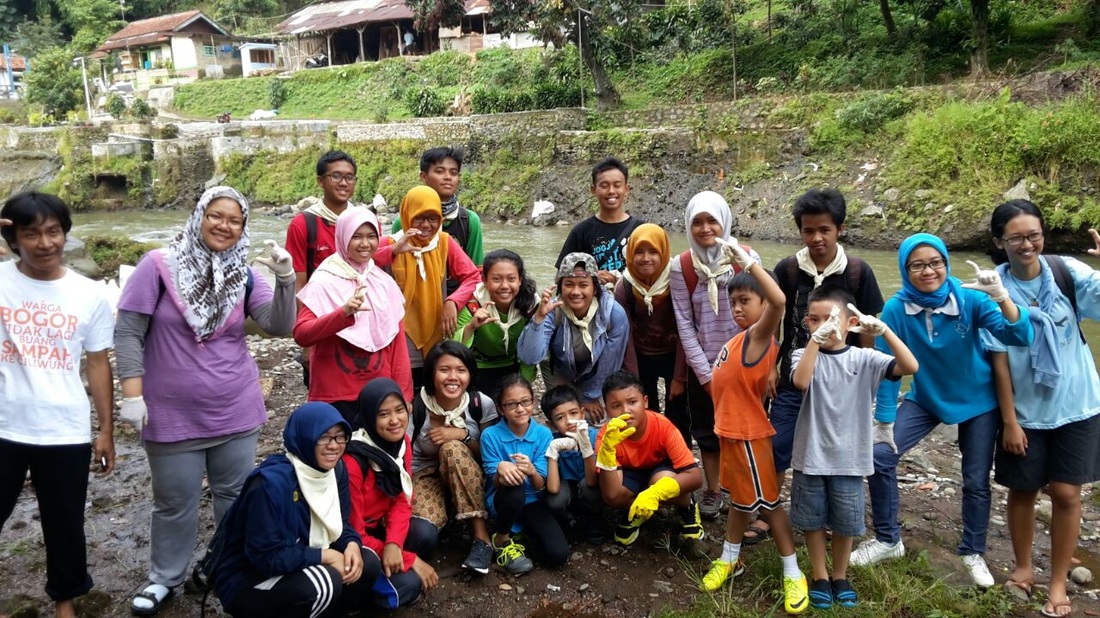
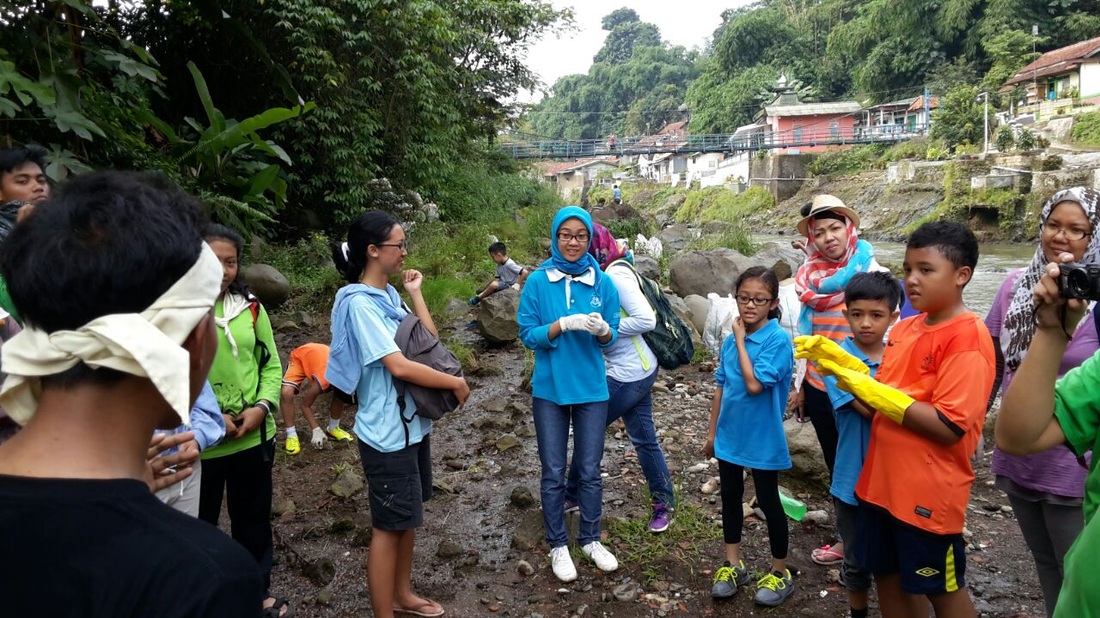
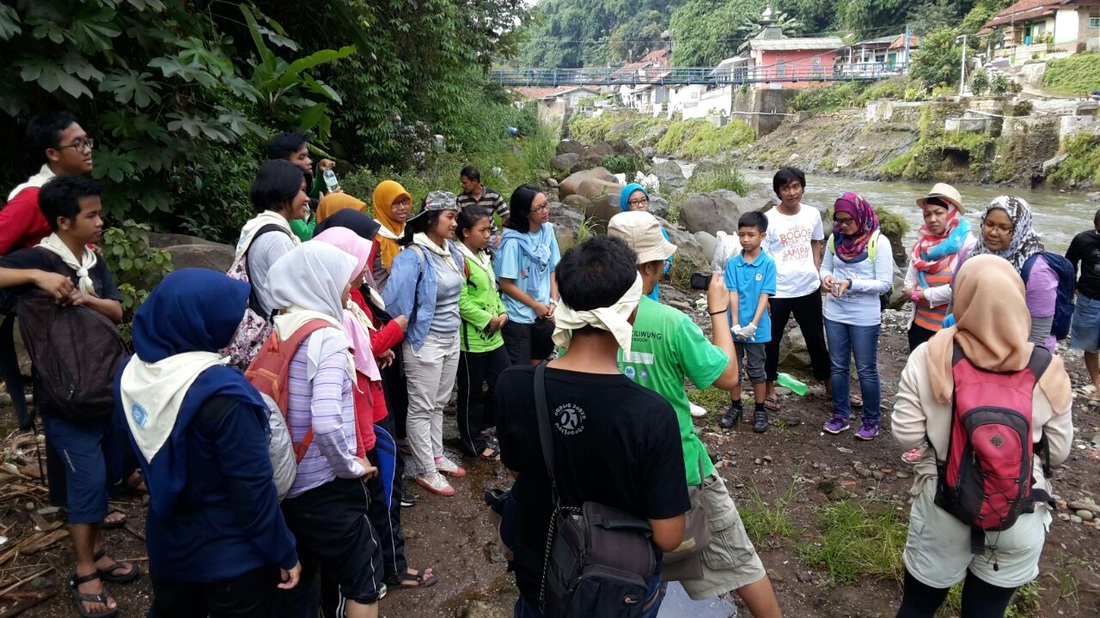
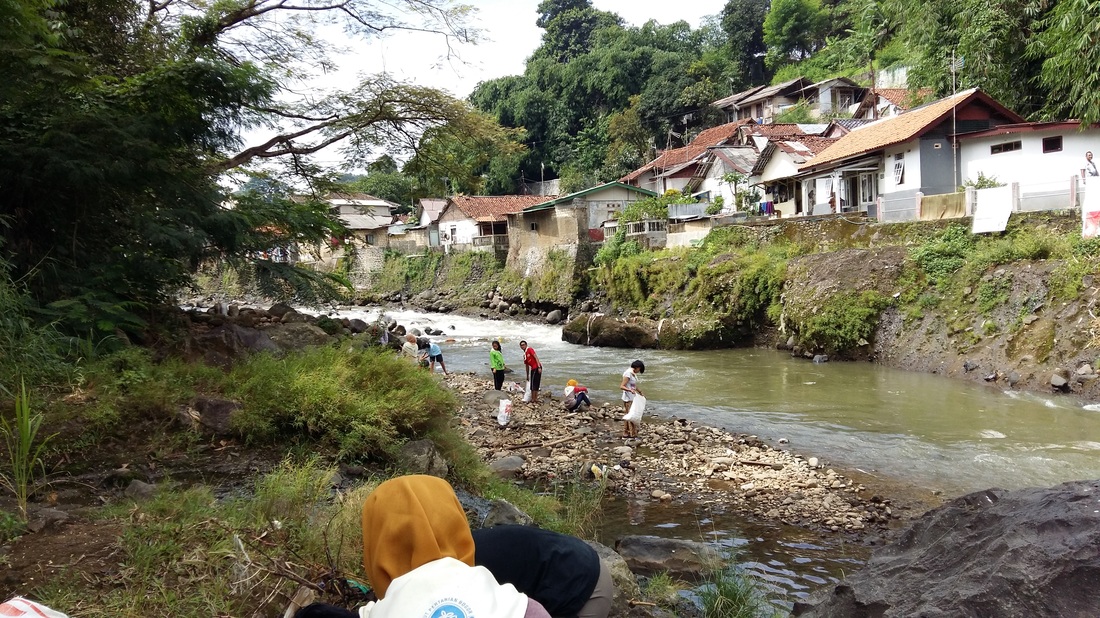
Cleaning up Ciliwung's litter in Bogor

The efforts to clean the river are made by various teams, such as Al-Jabr Exhibition,Mapala Institut Pertanian Bogor (IPB or Bogor Agricultural University), Komunitas Peduli Ciliwung (KPC or Ciliwung cares Community), Institute Ciliwung Community, and local people. In March 13th, 2015, the Ciliwung Caring Community (KPC) initiated  to clean up the river's waterway from rubbish. As a result of the race, participated in by 20 people living along the bank of the Ciliwung River, 30 big plastic bags with full of non-organic waste were collected.According to KPC Coordinator Kang Asyun, the amount of plastic bags that the participants from 12 villages in Bogor City collected was higher than that in the previous year. This reality reveals the rivers real condition, which has partly contributed to repeated floods in Jakarta.
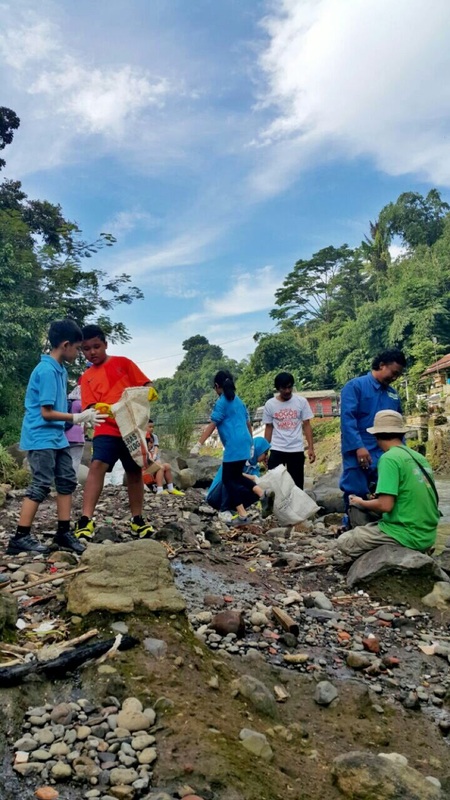
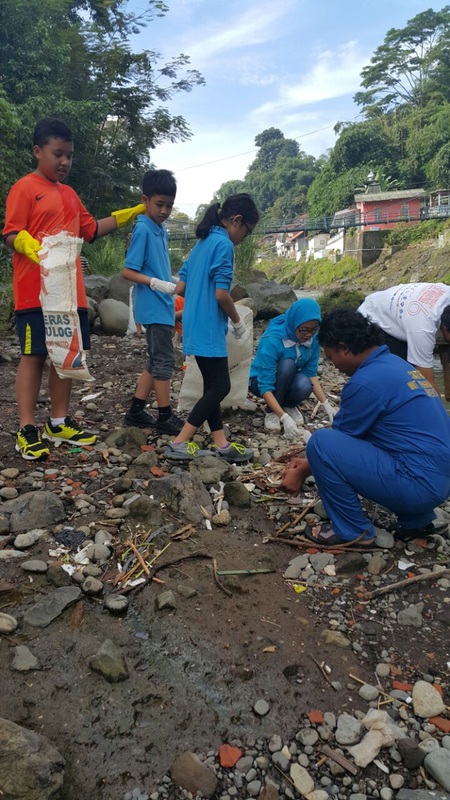
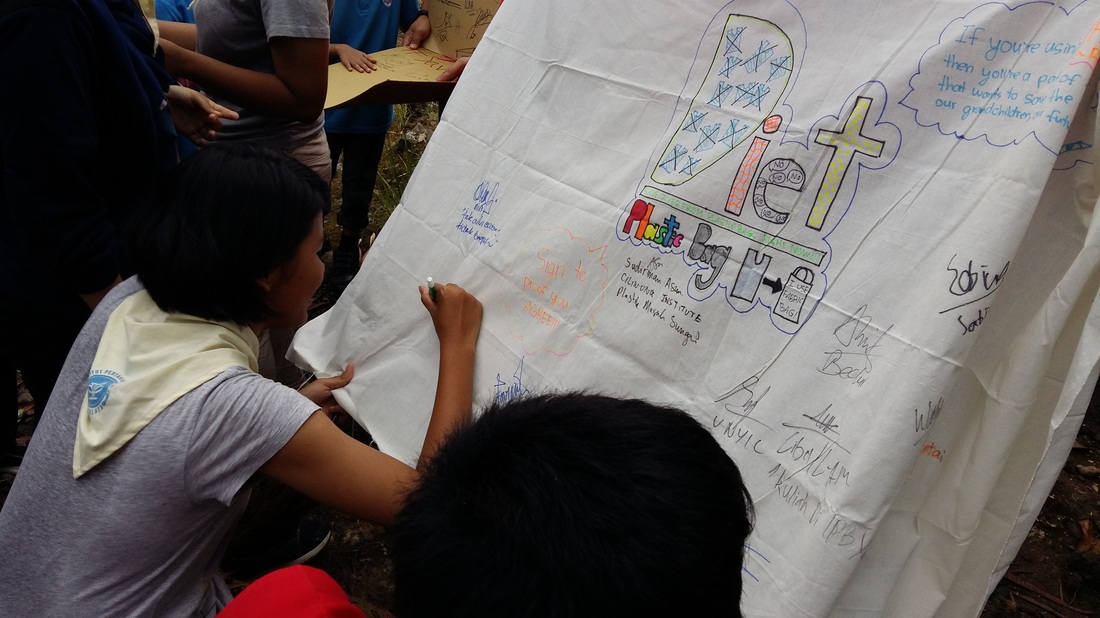
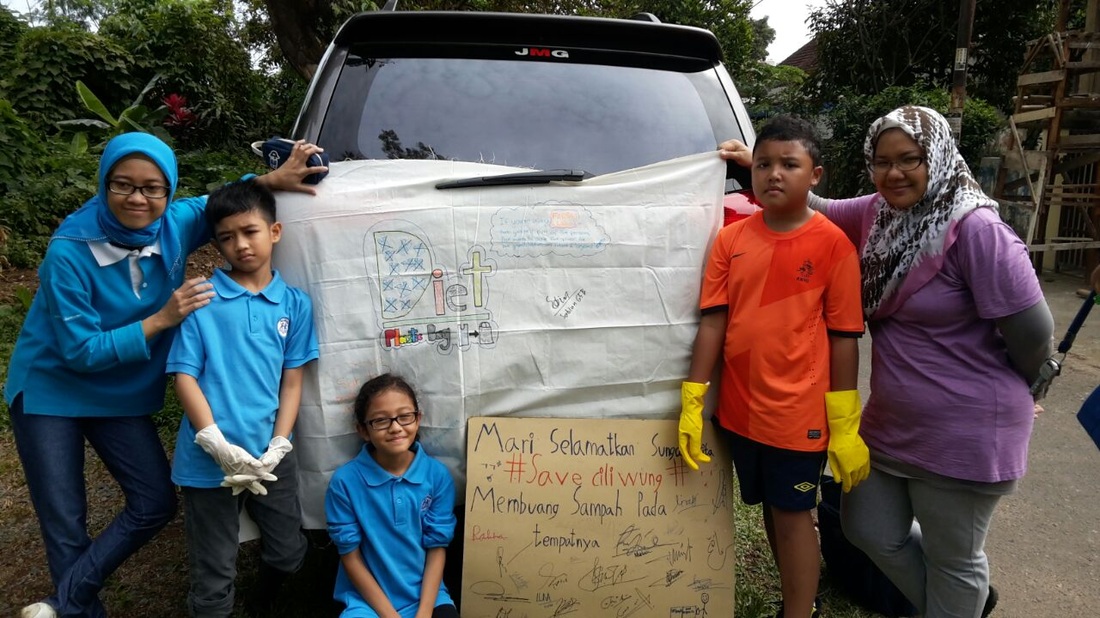
Campaign diet plastic bag (Reduce plastic by using fabric bag )
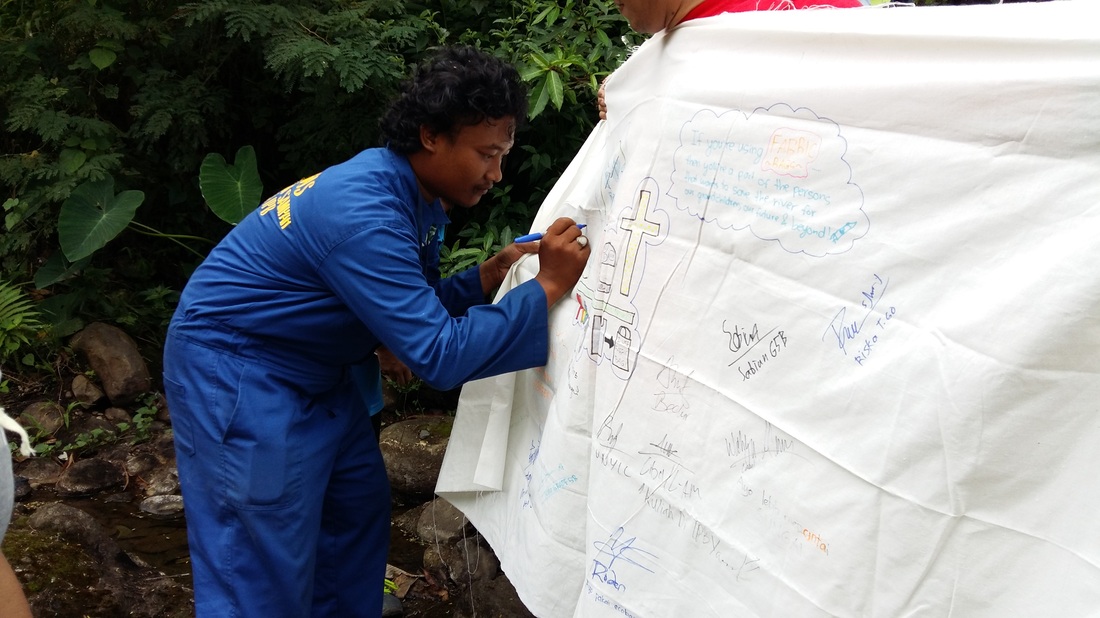
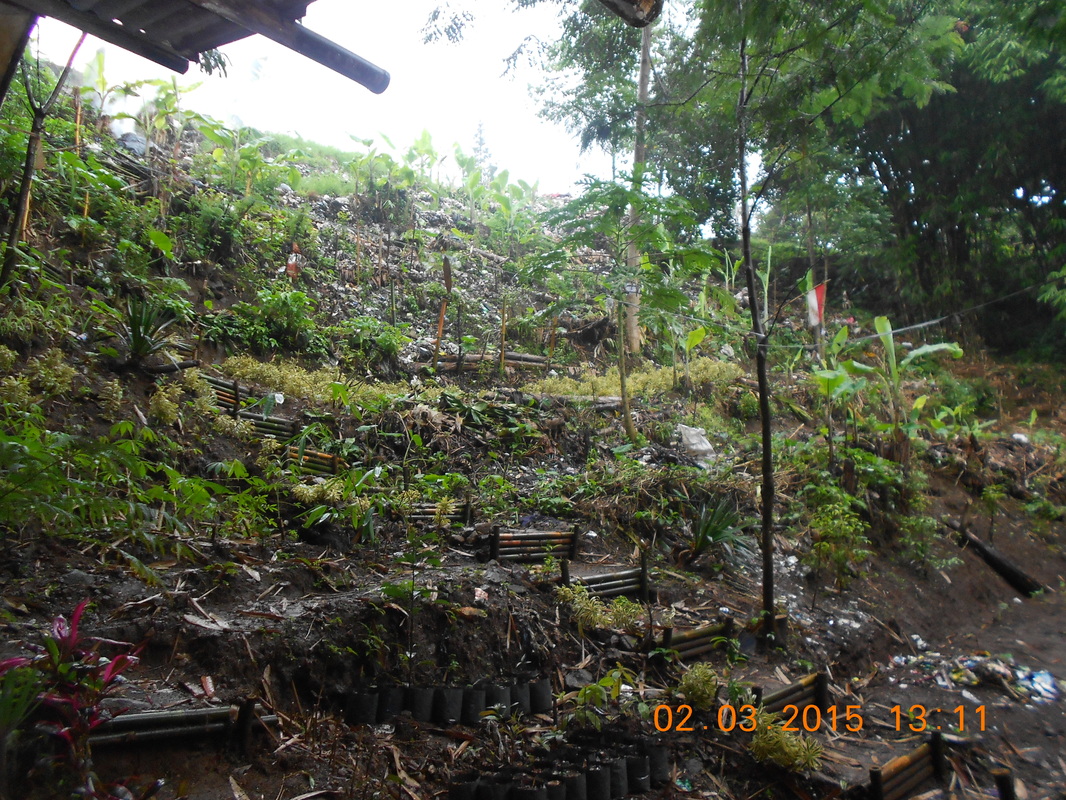
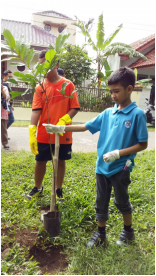
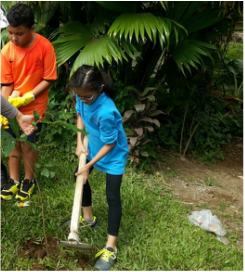
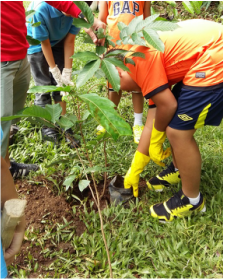
Tree planting  ( Rows of local trees) along streams and rivers, we are able to capture and filter out the pollution from runoff through these buffers and stabilize stream banks against erosion.
Picture
Picture
Picture
Reflection after exhibition

Preparing exhibition display

Governmental system in Indonesia which connection towards river ecosystem

Your browser does not support viewing this document. Click here to download the document.

Days of Exhibition (March 30 and 31th 2015)

Powered by Create your own unique website with customizable templates.
  • Home
  • 2014
    • Enforcement Systems in City Cleanliness
    • Drainage City Plan
    • Building Plan in Jakarta
    • Reforestation
    • Trading System: Export and Import
    • Tax Responsibilities
    • Governmental Services in Health
    • Criminal and Safety
    • Natural Disaster Management System
    • Public Transportation System
    • Election System
  • 2015
    • Government Systems >
      • Maritime ; Sovereignty & Illegal fishing
      • Economy: Creative industries
      • Environment : Environmental recovery from natural disaster
      • Health : National health insurance
      • Education : Education as a socialization tool
      • Law ; Law enforcement
    • Biodiversity >
      • Beach ecosystem
      • River ecosystem
      • Mountain ecosystem
      • Marine Ecosystem
      • Rain forest ecosystem
      • Mangrove ecosystem
      • Economic : National Economic development
      • Paddy field ecosystem
  • 2016
    • Sumatran Elephants
    • Sea Turtles
    • Mangrove plant
    • Orang Utan
    • River Insect
    • Butterflies
    • Eatable Food
    • Shark
    • Corals
    • Lutung Jawa
    • Eceng Gondok
    • Palm Oil Plantation
    • Tomcat
    • Sumatran Tiger
  • 2017
    • Habitats of Mosquitoes
    • Relationship between ants and the food types
    • Birds' population
    • Insects as Natural Predators
    • Management system of cats' population
    • Aquaponic
    • Butterfly Population
    • Plants to Break the Stream of Water
    • Varieties of Herbs
    • Urban Farming of Consumable Fish
    • Crushed Fallen Leaves to Germinate Seeds
    • Diseases of Cats
  • 2018
    • Waste management in Jakarta society
    • The use of health-care facilities in Jakarta
    • Child-friendly city
    • Universal design in developing public infrastructures
    • Programs to improve reading habits
    • The roles of schools in minimizing juvenile delinquency
    • National examination as a form of assessment
    • Zoonosis
    • Promoting affordable healthy diet
    • Infectious diseases in urban communities
    • Access to Quality Education for Disadvantaged Families
    • Population growth and availability of resources
  • 2019
    • Government system >
      • Hoax and cyber bullying
      • Government decision making regarding to life below water
      • Government function to protect their citizens
    • Biodiversity >
      • Endangered animals population because of human activities
      • Marine ecosystem
      • Deforestation (Forest ecosystem)
    • Scientific knowledge >
      • Tsunami or natural disaster detector
      • Trash as source of energy
      • Innovate trash management on land
      • Scientific technology to support human activity
      • Climate change (extreme weather)
  • 2020
    • Scientific Knowledge >
      • Technology of Infrastructure Construction
      • Disadvantages of technology to biodiversity
      • Technology to solve industry problem
      • INDONESIAN ORCHID BIODIVERSITY CONSERVATION USING TISSUE CULTURE TECHNIQUES
    • Governmental System >
      • Government's Role toward Plastic Innovation
      • BUMN Roles toward Economic Activity
      • Government Action regarding to Energy Crisis
    • Biodiversity >
      • Taking Action of Climate Emergency
      • Endanger Animal in Ecosystem
      • Animals Evacuation During Natural Disaster
      • The Global Warming Impacts to The Shark Extinction