
INNOVATE TRASH MANAGEMENT ON LAND
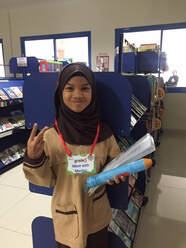
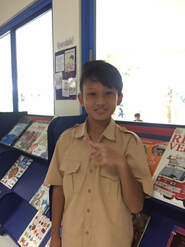
MENTORS
|
|





|
|
|
STUDENTS
|
|
Talula

Banyu
|
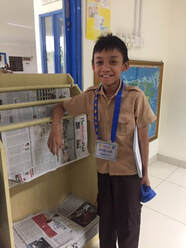
Zayed
|
central idea |
" Technology and systems support human on managing trash on land"
|
LINES OF INQUIRY |
|
CONCEPTS |
Change , Responsibility , Causation
|
STEP 1
IDENTIFYING GLOBALLY SIGNIFICANT ISSUES
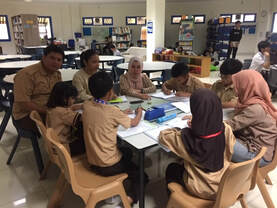
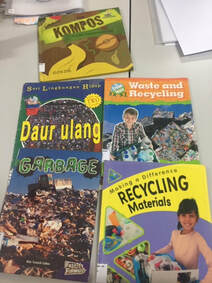
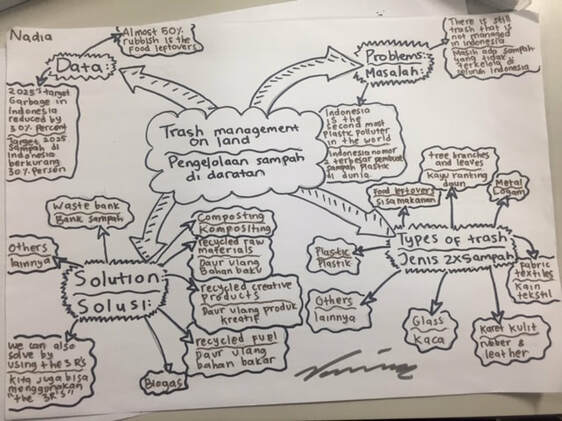
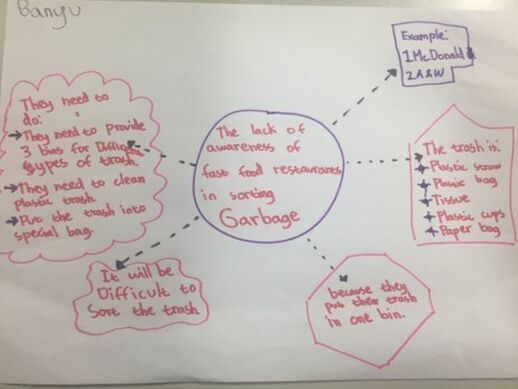
Students started the Inquiry process by collecting many local and international issues connected to waste. The challenge continued until we make our group's central idea. It involves many aspects, articles, books and ideas. We developed them into our mentor meeting and identify the problem into chart.
|
|
https://www.youtube.com/watch?v=ie62Fg-8DAA
|
|
|
STEP 2
DETERMINING TIMING AND TIME FRAME
Central idea grade 1 : Sustainability of earth natural resources
|
|
STEP 3
ENGAGING SUPPORT FROM THE LEARNING COMMUNITY
Gained the information from Bapak Novrizal Tahar (Dirjen pengelolaan sampah, limbah, bahan beracun berbahaya, Kementrian Lingkungan Hidup dan kehutanan)
|
|
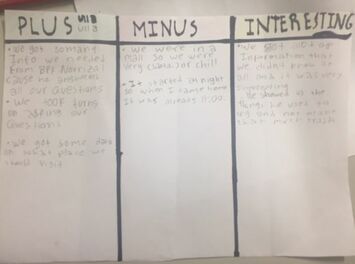
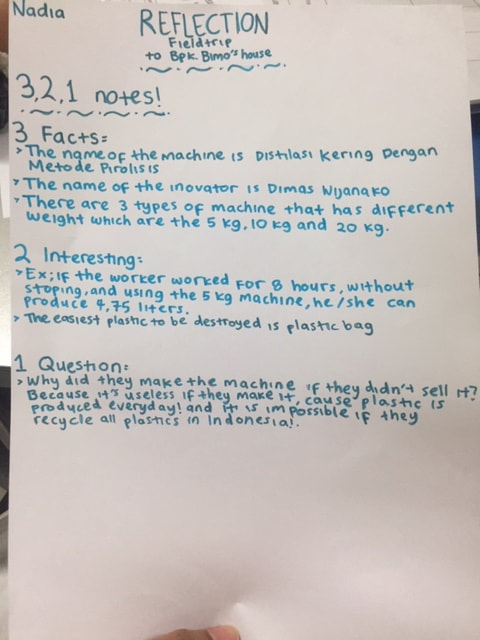
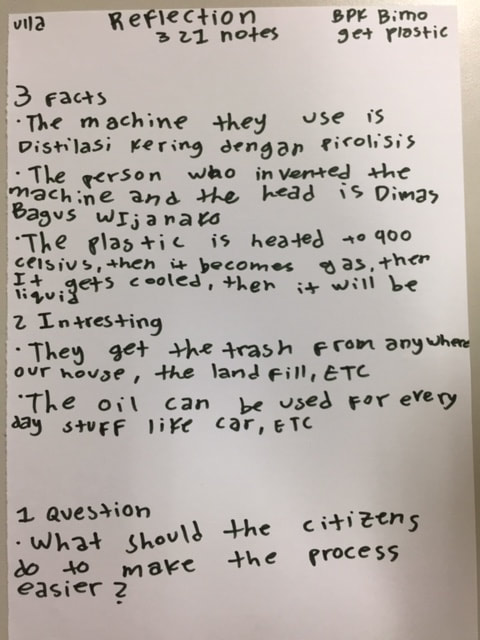
Reflection field trip
|
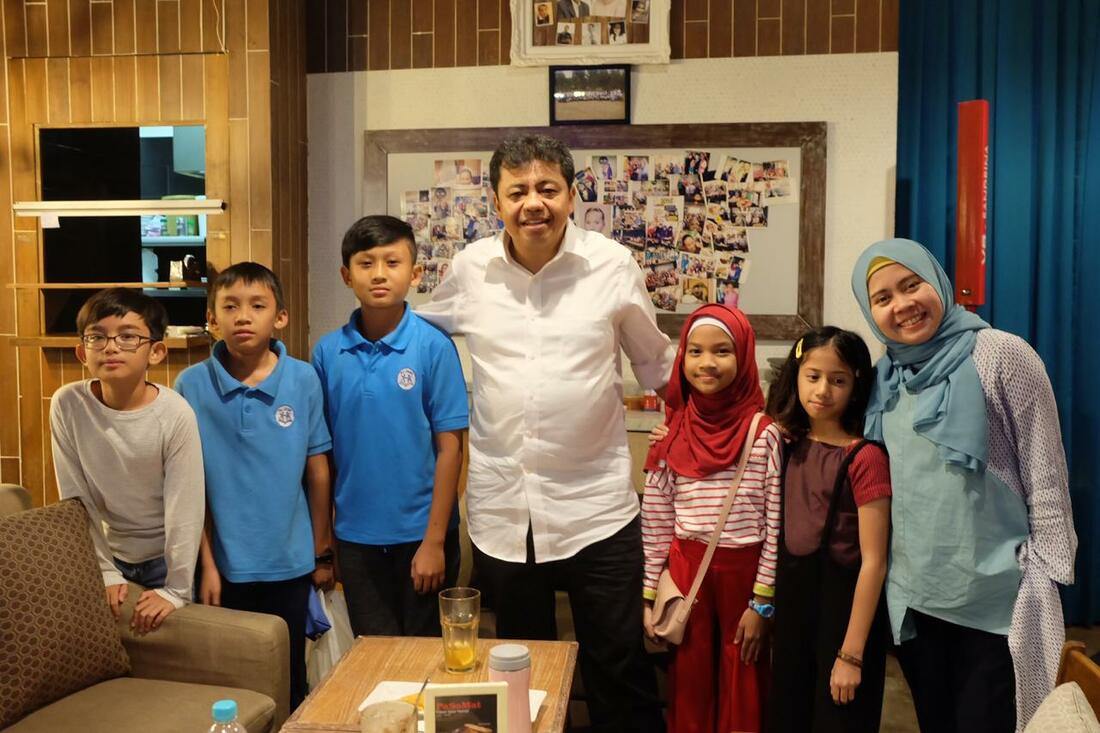
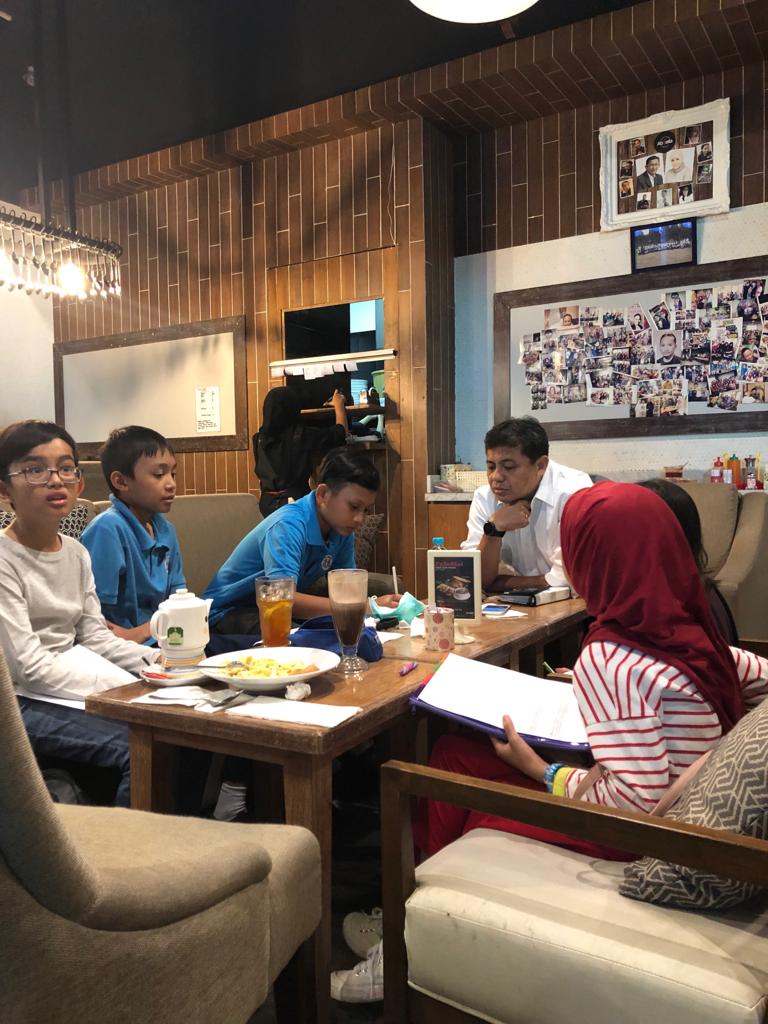
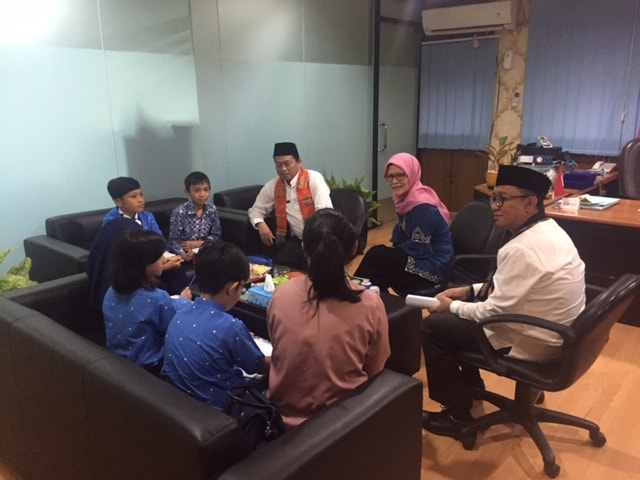
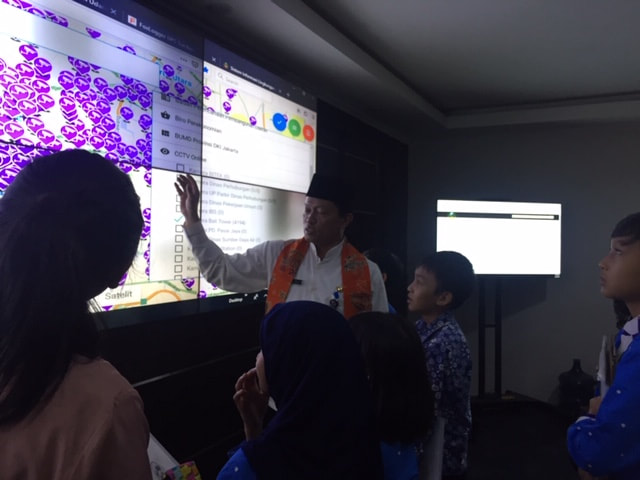
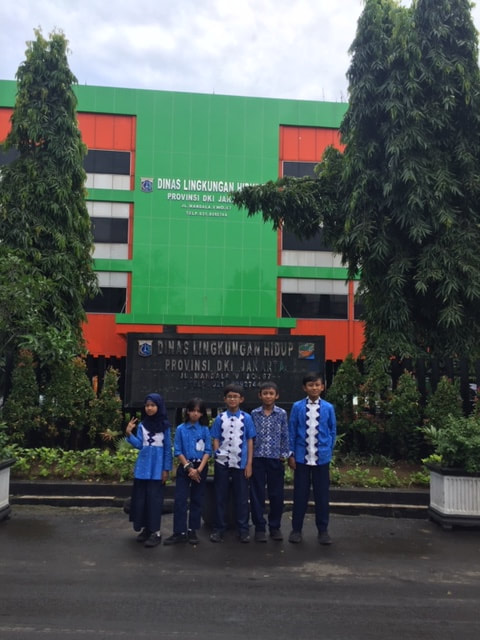
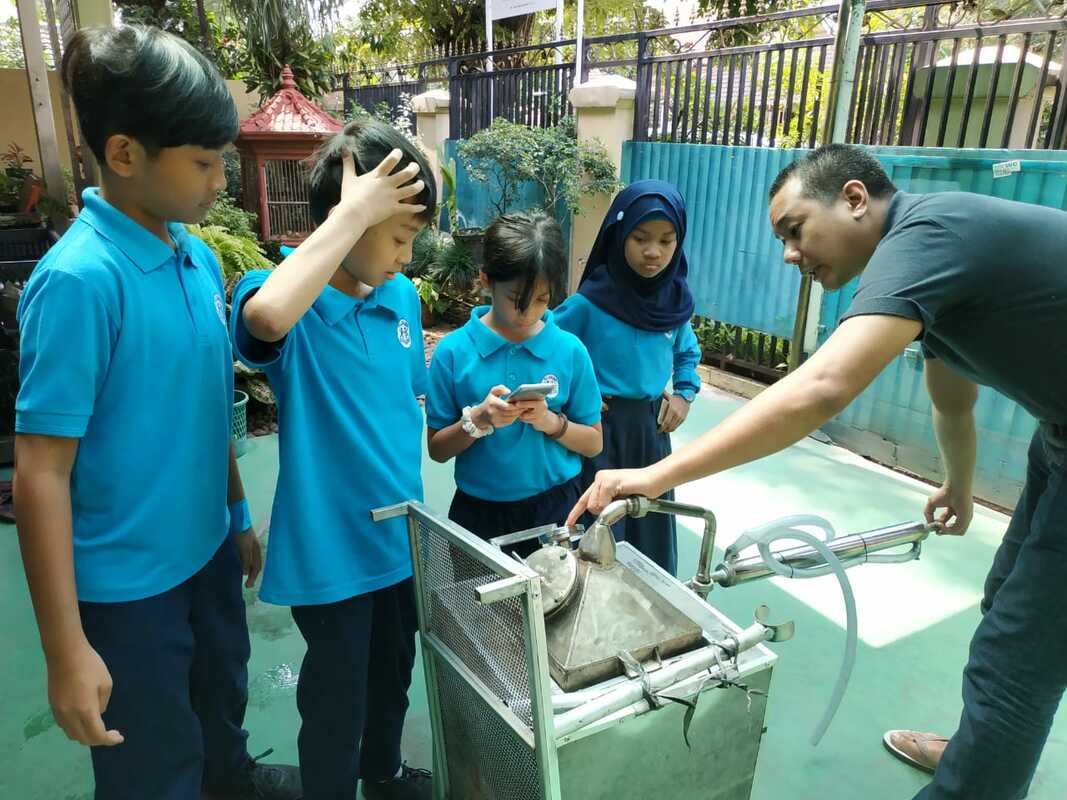
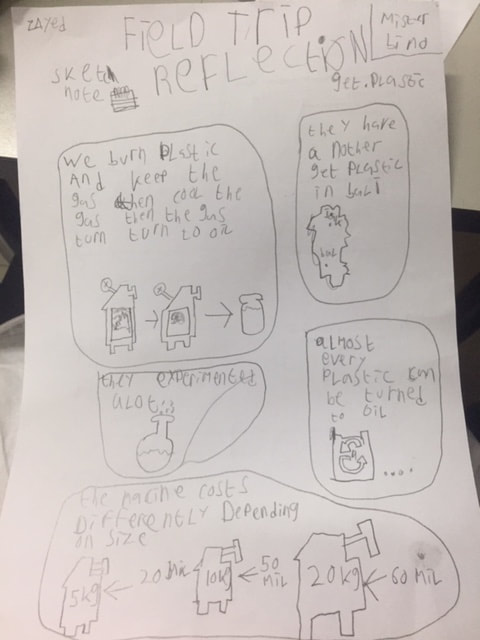
FIELD TRIP TO DINAS LINGKUNGAN HIDUP DKI Jakarta
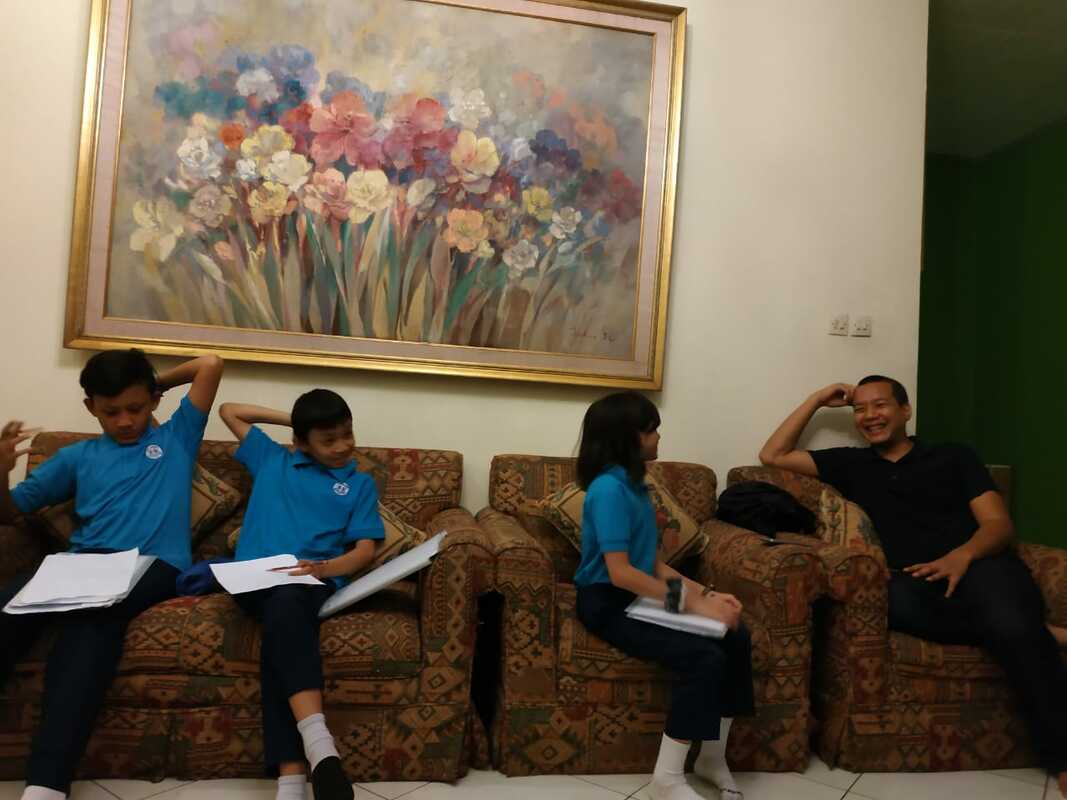
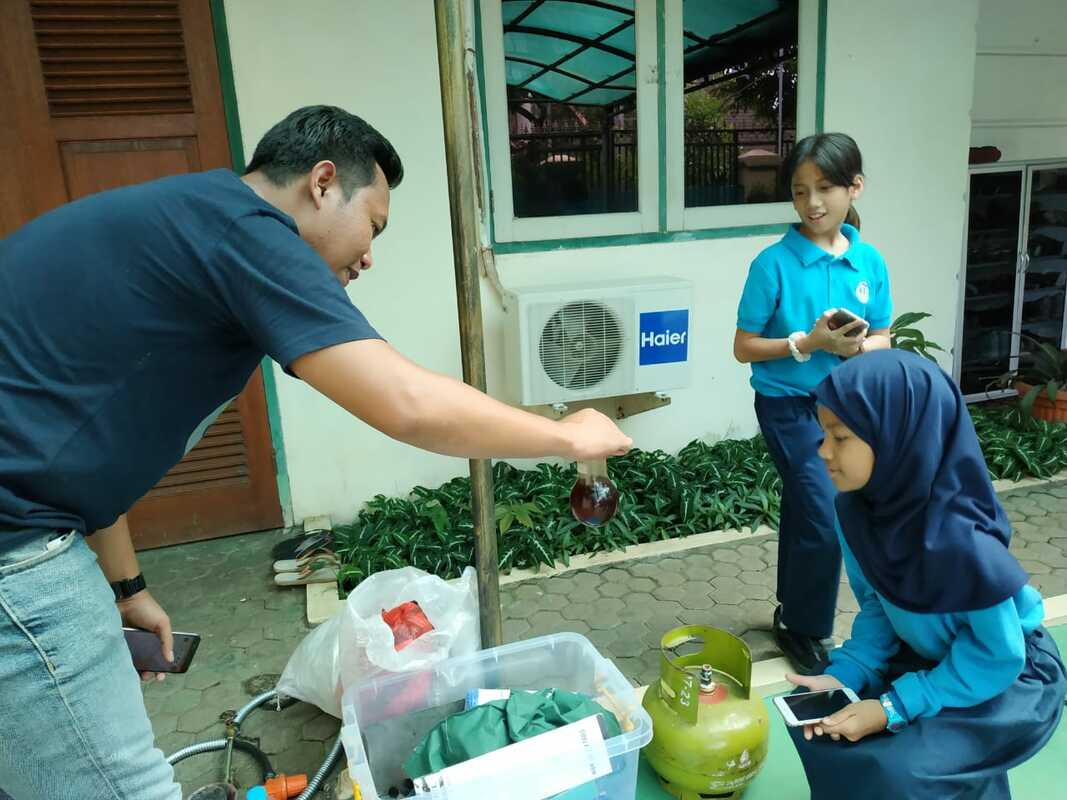
got the information from "get plastic" about innovative trash machine (bpk bimo)
|
Reflection field trip
|
|
STEP 4
ORGANIZING AND LEARNING
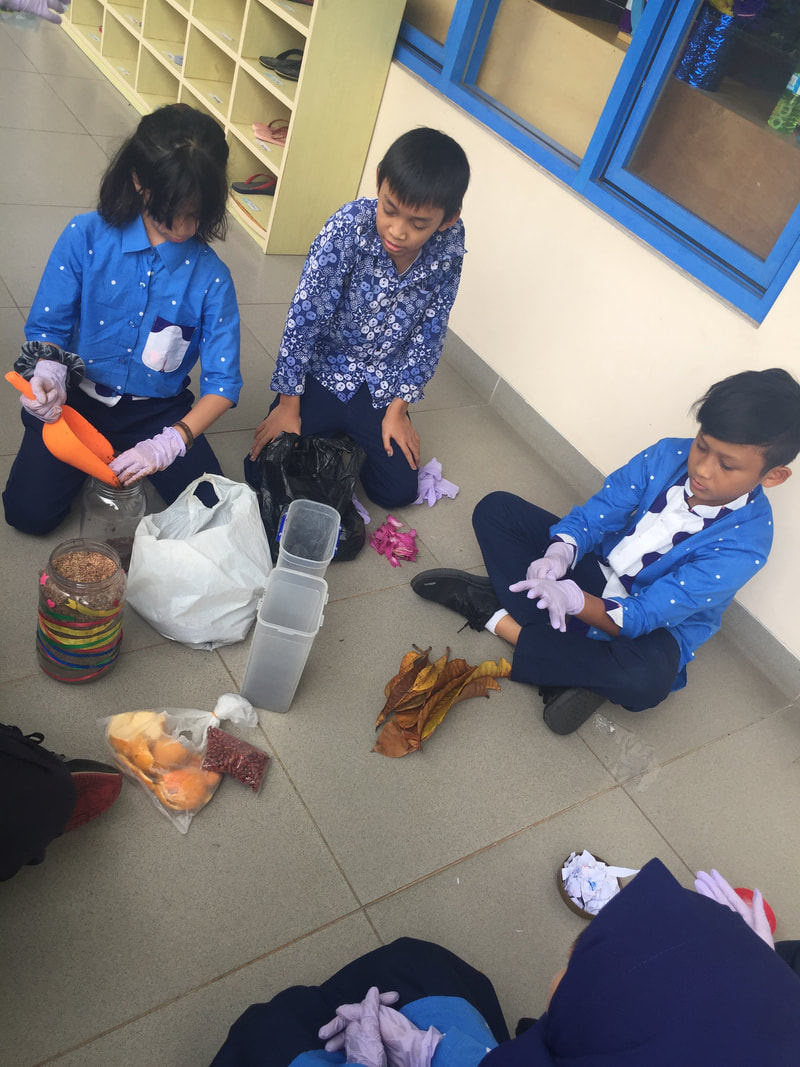
Experiment
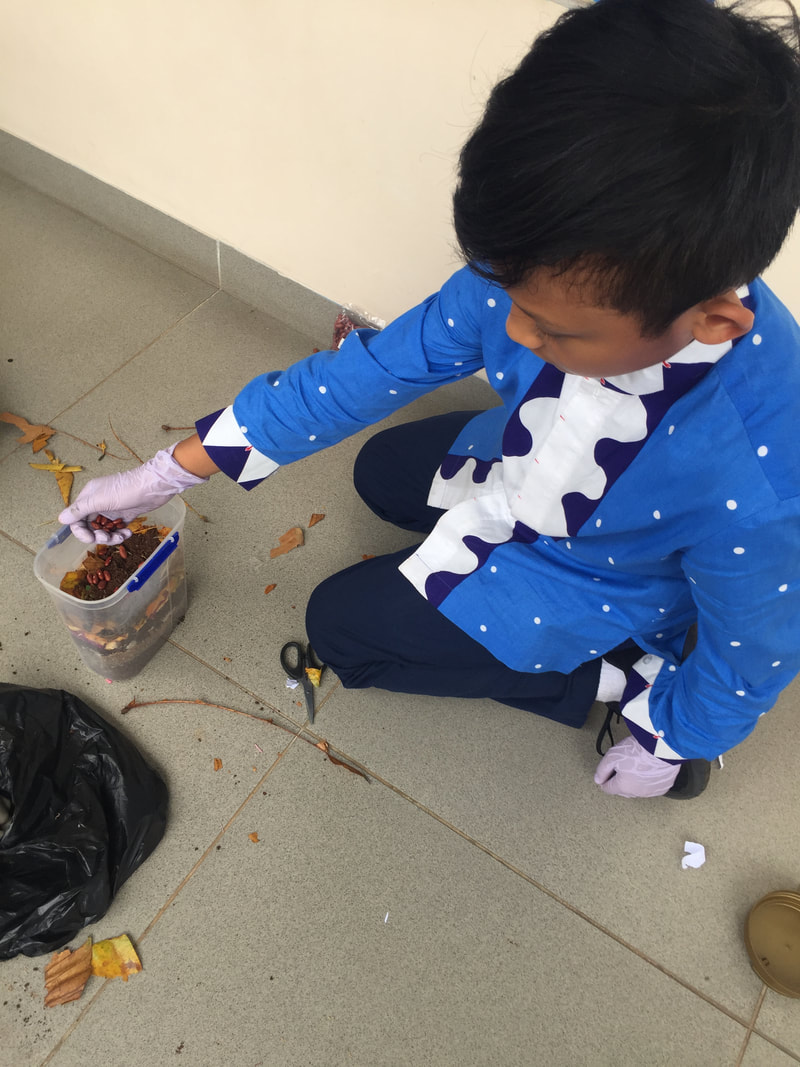
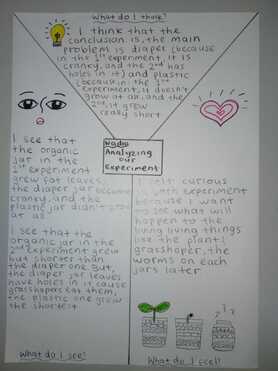
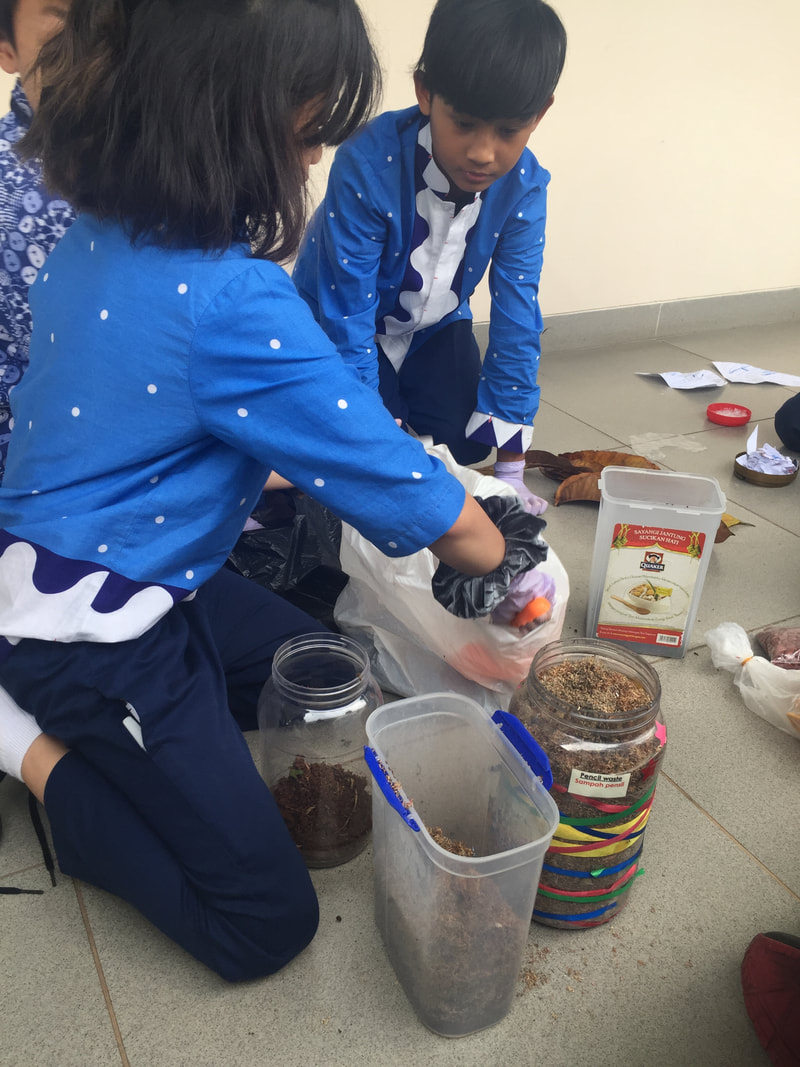
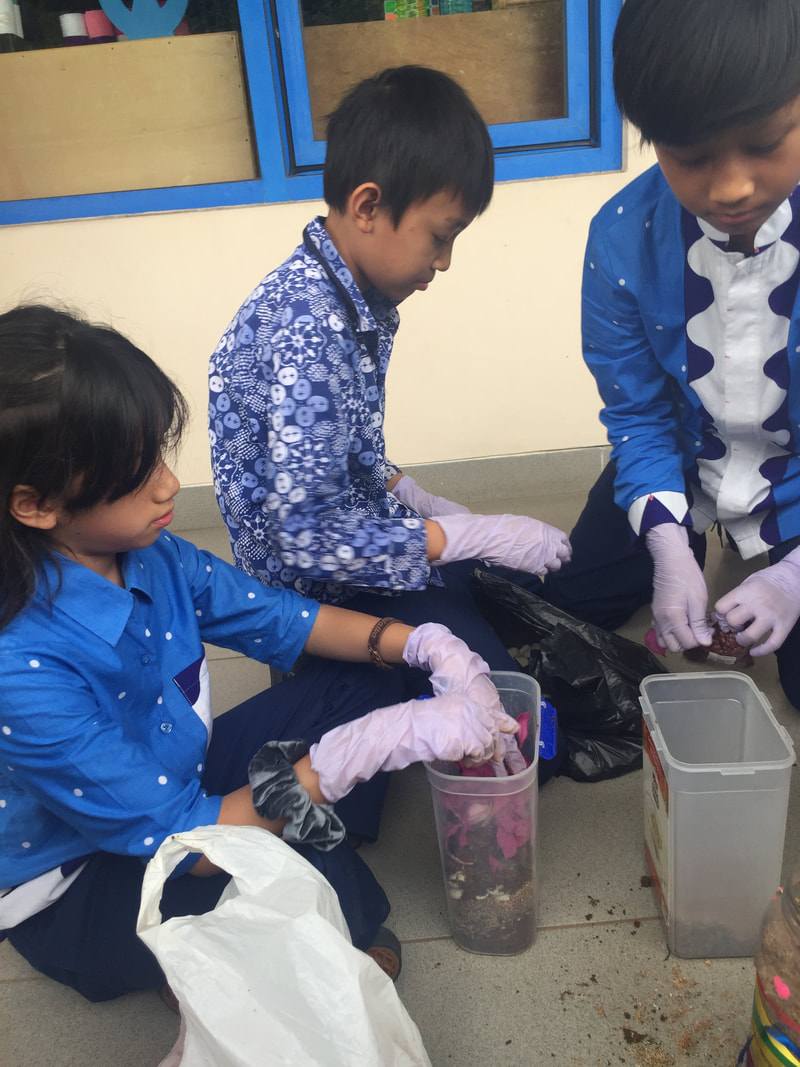
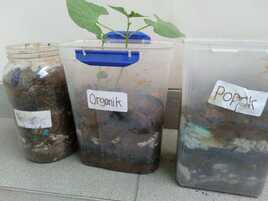
We expand our thinking by identifying the waste impact to our land through out three different jar's experiment. The first jar with organic waste, second jar with plastic waste and the third jar with diaper waste.
|
|
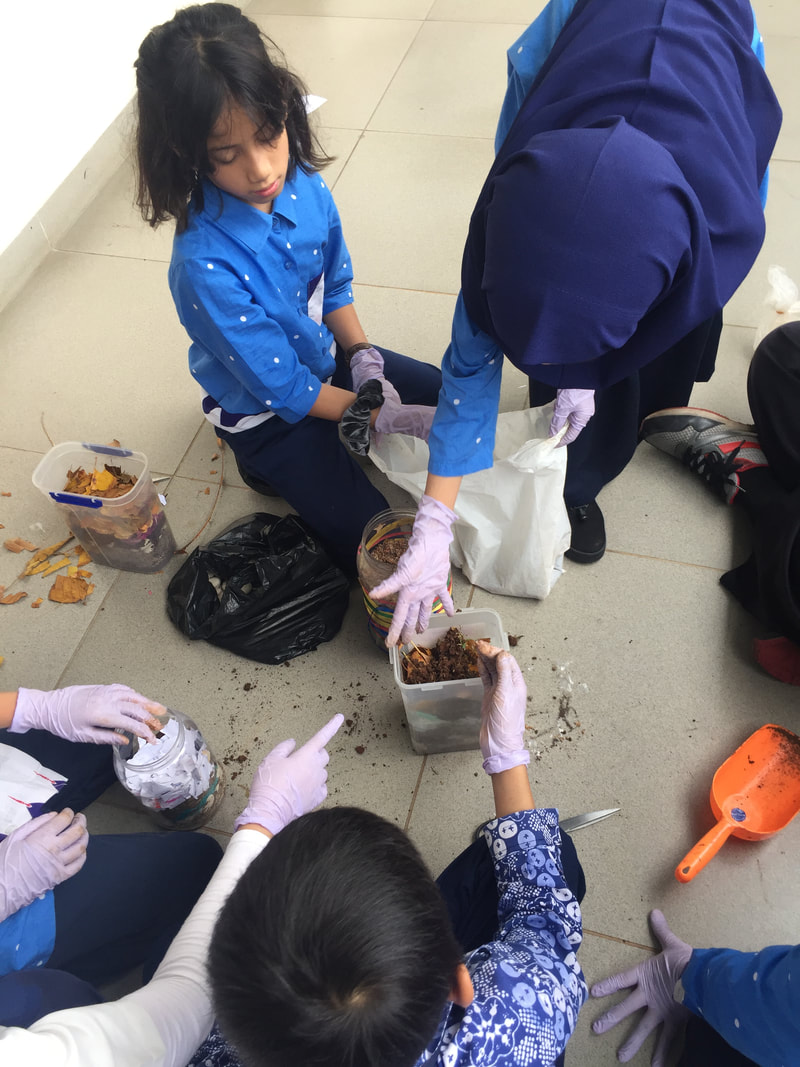
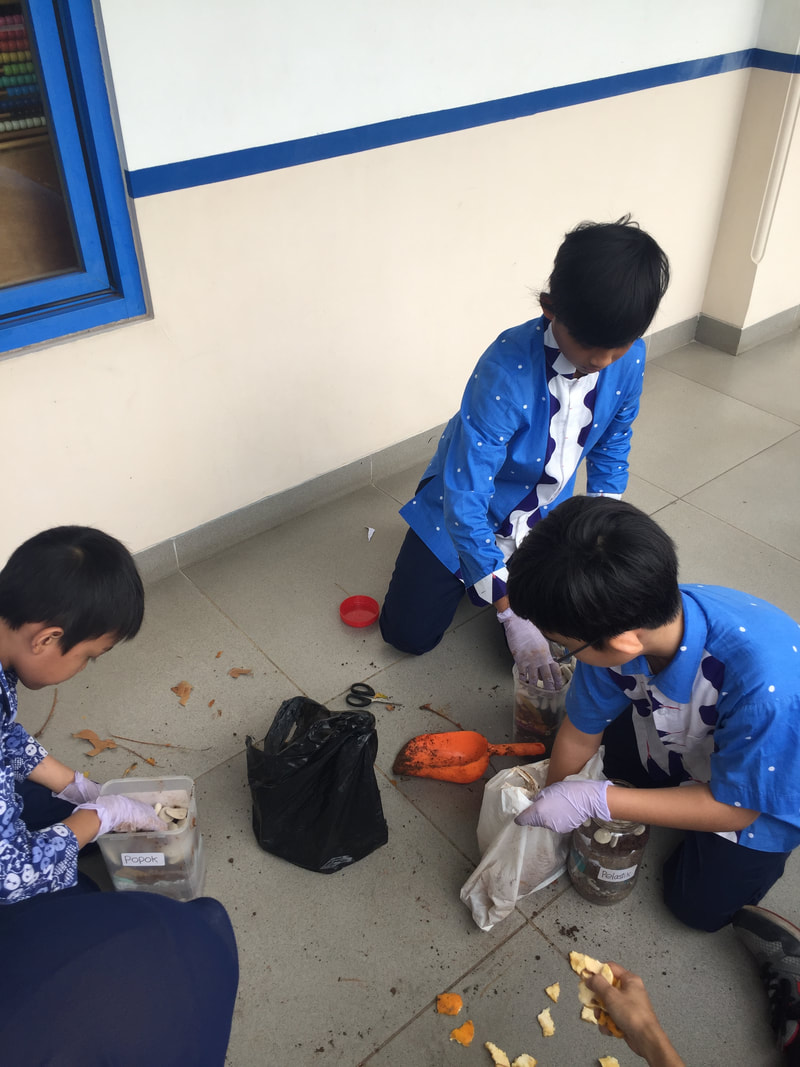
We collected the data about the experiment progress everyday. Each of us has the responsibility to bring the materials needed, showering and identify the result.
|
After one month of observation, we made the conclusion based to the final experiment progress.
1. The organic waste has a good impact to the soil through spoil the ground and nourish the soil.
Evidence : The organic waste was gone from the canister. The seeds grew fast and has big leaves.
The soil is also denser.
2. The plastic waste has a negative impact to the soil.
Evidence : Nothing change with the plastic waste. The seeds didn't grow at all.
3. The diapers waste has a negative impact to our soil.
Evidence : Nothing change with diapers waste. The seeds grew in the beginning, slowly dead at the next day.
1. The organic waste has a good impact to the soil through spoil the ground and nourish the soil.
Evidence : The organic waste was gone from the canister. The seeds grew fast and has big leaves.
The soil is also denser.
2. The plastic waste has a negative impact to the soil.
Evidence : Nothing change with the plastic waste. The seeds didn't grow at all.
3. The diapers waste has a negative impact to our soil.
Evidence : Nothing change with diapers waste. The seeds grew in the beginning, slowly dead at the next day.
STEP 5
MONITORING THE EXHIBITION
Action
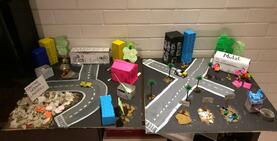
Social Entrepreneurship
We have designed models of Future City Trash Management Project, to support positive social change. We hope this system will meet the sustainable ways.
We’re going to show this model during our exhibition day as a solution for our community.
|
Social Justice
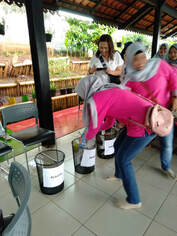
We’re concerned to make positive change in our local society.
We educated the PKK and Posyandu community about the consequence and community needs to support human rights.
|
Lifestyle Choice
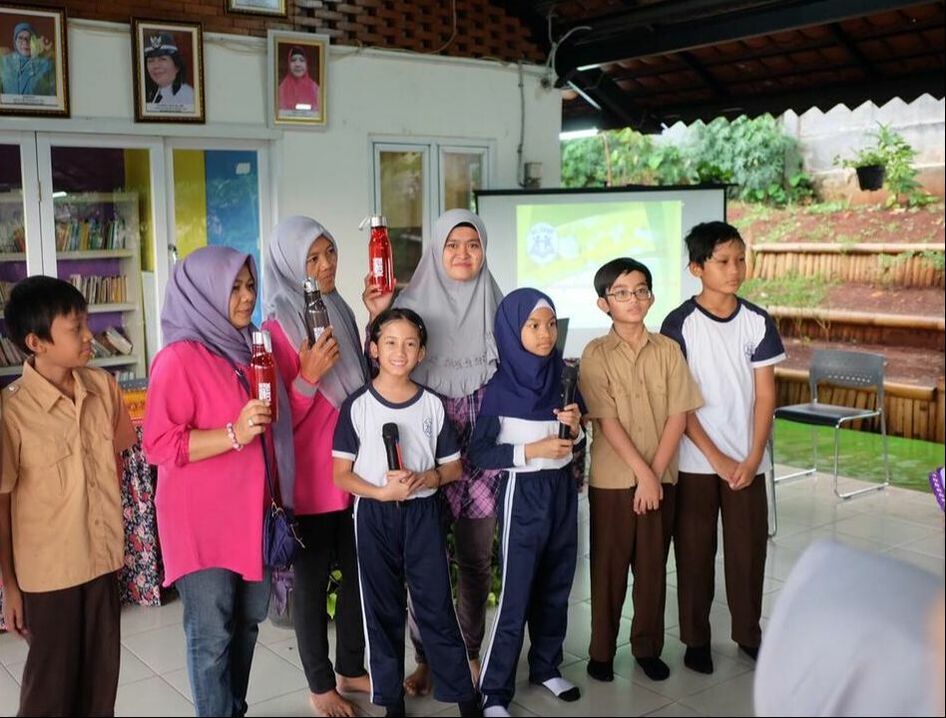
We are responsible in sustainable consumption (informed decisions to promote less plastic).
We reflect on the impact of personal choice by managing the trash management on land.
|
